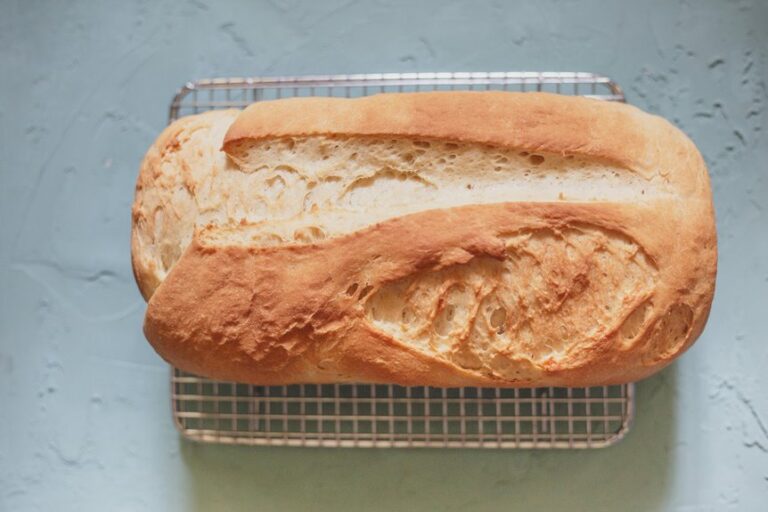
Yes, a bread machine makes soft, sliceable potato bread with very little effort. Potato flakes or mashed potato add extra tenderness and a mild, comforting flavor. Flour, milk, butter, and yeast mix into a smooth dough in the machine. The result is a warm loaf with a soft crumb that cuts beautifully.
Why Potato Bread Turns Out Soft
Potato bread turns out soft because the potato flakes hold moisture in the dough and keep the crumb tender long after baking. You feel that plushness in each slice, springy beneath your fingers and fragrant with warm, toasty comfort. The flakes bring starch retention, which slows drying and gives you that pillowy bite people love. They also support moisture balance, so the loaf won’t feel heavy or gummy whenever you slice into it.
As the bread bakes, steam lingers inside the crumb, creating a fine, delicate texture that welcomes butter, jam, or a simple sandwich filling. Whenever you bake this loaf, you’re making something that feels familiar, generous, and easy to share at your table with friends.
Gather Potato Bread Ingredients
You’ll want your pantry lined up with bread flour, active dry yeast, salt, sugar, and those humble potato flakes that help the loaf stay tender and soft.
Should you’re using fresh potato basics, measure your mashed potato or liquid add-ins carefully so the dough feels smooth and supple, not heavy or dry.
A precise spoonful here and a measured cup there can make the difference between a dense loaf and one with a warm, pillowy crumb.
Essential Pantry Items
Before you start the machine, gather the essentials: bread flour, active dry yeast, salt, white sugar, and dry potato flakes, then measure out your liquid so the dough can come together smoothly.
Line up these pantry staples like trusted friends, and keep them within easy ingredient shelf storage so baking feels welcoming, not rushed.
As you open each canister, you’ll catch the clean scent of flour, the faint sweetness of sugar, and the earthy hush of potato flakes.
Use a bowl and spoon you love, and you’ll feel right at home.
This simple setup helps you move with confidence, one calm step at a time, as your kitchen fills with the promise of soft, tender slices everyone will want to share.
Fresh Potato Basics
When you’re using fresh potatoes, start upon peeling and cooking them until they’re tender enough to mash smoothly. Choose firm, unblemished tubers for smart potato selection, because bruises can dull the flavor and make the crumb heavy.
Yukon Golds bring a buttery scent and creamy feel, while russets, with their higher starch varieties, lend a lighter, fluffier bite.
After cooking, drain them well and let the steam fade so your mash won’t flood the dough. You’re building a loaf that feels like home: soft, warm, and welcoming on the table.
Mash until silky, with no grainy bits, then fold the potatoes in whenever they’re ready. That simple care helps your bread rise high and slice tender.
Measuring Ingredients Accurately
Measure your potato bread ingredients with care, and your loaf will reward you with a soft, even crumb and a gentle, buttery aroma. Use reliable measuring tools, not guessing hands, so every cup lands where it should. Level bread flour, spoon in dry potato flakes, and keep salt, sugar, and yeast exact.
Should you’re scaling the recipe for a smaller or larger loaf, recalculate ingredient scaling before you start. That steady rhythm helps you feel like you belong in the bread maker’s club, where consistency matters.
Measure liquids at eye level, then check the dough after a few minutes of mixing. Should it feels dry or sticky, adjust with tiny splashes of water or flour. Each precise scoop brings you closer to a tender, sandwich-ready slice.
Add Ingredients in the Right Order
You’ll want to pour in the flour first, making a soft, pale bed in the bread pan. Next, add the wet ingredients so they settle in smoothly, then finish with the yeast on top, where it can stay dry and lively until mixing begins.
That careful layering helps your potato bread rise cleanly, with a tender crumb and a warm, bakery-fresh aroma.
Flour First Layer
Start with the flour, because it gives the loaf its foundation and keeps the soft potato dough from turning gluey. In your bread pan setup, pour the bread flour in initially, spreading it into an even bed that feels dry and powdery under the light.
This flour layering helps the machine build structure before anything else touches it. As soon as you level the surface, you’re setting the stage for a loaf that rises with confidence and slices like a dream.
The flour should look calm and cloudlike, never clumped against the corners. You belong to the club of careful bakers now, and this small step makes your potato bread feel steady, tender, and proudly homemade from the start.
Wet Ingredients Next
With the flour settled in the pan, pour in the wet ingredients in the order your machine likes best so the dough comes together smoothly instead of slumping into a mess.
You’re building a cozy, tender loaf, so let each liquid slip in like a good neighbor.
- Add the milk first, watching the milk temperature stay cool to barely warm for easy mixing.
- Beat in any egg and water, then drizzle oil or melted butter, with butter softening helping it blend into a silky sheen.
- Finish with potato flakes and other enhancers, letting the surface turn glossy and fragrant.
This order helps you feel confident at the machine, like you belong in a kitchen that knows soft bread.
Whenever the pan fills, the dough can gather, stretch, and settle into that plush potato comfort you’re after.
Yeast Last Placement
Finally, sprinkle the yeast over the flour or tuck it into the dispenser last, so it stays dry until the machine is ready to wake it up.
You protect yeast placement by keeping it away from the wet potatoes, milk, and water below. That dry cushion helps your loaf rise evenly and supports delayed fermentation, which gives the dough time to build flavor before it swells.
In your bread machine, this simple order feels like a secret handshake: flour, salt, sugar, potato flakes, liquids, then yeast.
When you close the lid, you’re joining a routine that bakers trust for soft, sliceable bread. The scent later will be warm and buttery, and the crumb will turn tender, airy, and beautifully familiar.
Choose the Best Bread Machine Setting
For the best potato bread in a bread machine, choose the basic bread setting and let the dough cycle do its job initially, so you can check the dough after the initial few minutes of mixing. Your cycle selection matters because loaf presets shape the crumb, crust, and rise you get at home.
- Pick basic, not rapid, for that slow, cozy lift.
- Choose medium crust if your machine offers it for a golden shell.
- Match loaf size to your pan so the dough swells evenly.
When you press start, the kitchen fills with warm yeast and potato sweetness, and you’ll feel like you belong in a seasoned home baker’s circle. Whenever your machine has a dough or basic white option, trust it; those settings keep the loaf tender, plush, and ready for sandwich slicing.
Check Whether the Dough Is Ready
After the machine has mixed for about five minutes, lift the lid and look for a smooth, soft dough ball that feels slightly tacky but not wet or dry.
You want the dough texture to gather cleanly on the paddle, like a little pillow of promise. Should it smear, add flour 1 tablespoon at a time; should it look stiff or ragged, drizzle in a teaspoon of water.
The dough should feel elastic and alive while you touch it. Pinch off a small piece for a quick windowpane test: stretch it gently until it thins without tearing. Once it holds a translucent sheet, you’re on track.
That’s the comforting sign your loaf will rise into the soft, familiar slice your kitchen crew will love.
Bake a Tender Potato Bread Loaf
Slide the pan into the machine, choose the basic bread setting with your preferred crust and loaf size, and let the loaf bake until the top turns a deep golden brown. You’ll hear the soft hum, smell warm potatoes and yeast, and know you’re right where you belong. Watch the bake timing in your machine’s guide; a steady cycle gives you a tender crumb and a lovely crust finish.
- Trust the golden top.
- Keep the lid shut.
- Let the aroma build.
As soon as the timer ends, the loaf should feel light, springy, and fragrant. Potato flakes help the bread stay pillowy, so you get that homemade comfort in every slice, with a cozy, welcoming texture that feels made for your table.
Slice, Serve, and Store the Bread
Once the loaf is just cool enough to handle, turn it onto a rack and slice it with a sharp bread knife so the crust gives cleanly and the soft center doesn’t compress.
You’ll hear a faint whisper as each slice falls, pale and plush, ready for butter, jam, or a stacked sandwich that feels like home.
For serving tips, toast thick slices for breakfast, pair them with soup at dinner, or tuck them beside eggs for a cozy plate.
Keep extra slices in an airtight bag at room temperature for two days, or freeze them with parchment between pieces.
These storage methods help you keep that tender crumb soft, fragrant, and welcoming, so every slice still tastes like you meant to share it.
Frequently Asked Questions
Can I Use Instant Potato Flakes Instead of Mashed Potatoes?
Yes, instant potato flakes can replace mashed potatoes. They help create bread that is soft and tender. Add water gradually until the dough feels smooth, plush, and slightly tacky.
How Do I Make Potato Bread Gluten-Free?
Use gluten free flour blends with binding ingredients like xanthan gum or psyllium husk, then mix in potato flakes for a softer crumb. The result is a tender loaf with a warm flavor, clean slices, and a satisfying homemade feel.
Can I Add Herbs or Spices to the Dough?
Yes, you can add herbs or spices to the dough. Mix in chopped herbs or ground spices for extra flavor, and the dough will still bake into a warm, savory loaf.
Why Did My Loaf Collapse After Baking?
Your loaf likely collapsed because the dough proofed too long or the gluten structure was too weak. You may notice a delicate, airy top sink back down, leaving a dense, gummy crumb instead of a tall, sliceable loaf.
Can I Freeze Potato Bread for Later Use?
Yes, you can freeze potato bread for later use. For the best results, freeze the slices and keep them in freezer storage bags. They will thaw soft, fragrant, and ready for a comforting sandwich.