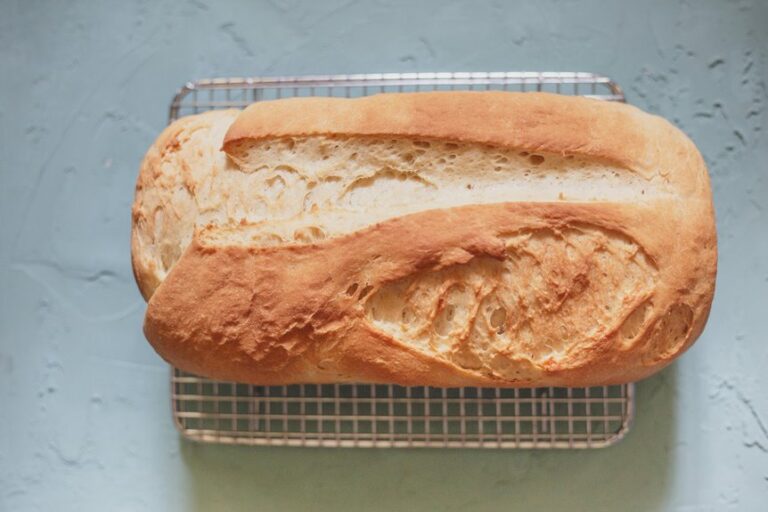
Start with small, gentle meals every 3 to 4 hours after a long fast. Choose easy foods like toast, crackers, oatmeal, applesauce, banana, broth-based soup, yogurt, or a smoothie. Sip fluids slowly and stop eating before you feel too full. These simple choices can make getting back to normal eating feel much easier.
Start Eating Again Slowly
Start with taking small, gentle steps back into eating, because your body may need time to adjust after a period of not eating. You don’t have to catch up all at once; that pressure can backfire.
Instead, use meal pacing tips like planning a few small eating times and pausing once you feel comfortable, not stuffed. This steadier rhythm helps your stomach relearn what feels normal and can make the process feel less isolating.
Try appetite rebuilding habits such as noticing hunger cues, eating at regular intervals, and choosing calm moments to sit down with food. Each bite counts, even whenever it’s tiny.
Progress isn’t about perfection; it’s about showing up for yourself in ways your body can trust again.
What to Eat After Not Eating
As soon as you’re ready to eat again after not eating, begin with foods that are easy to digest, gentle on the stomach, and unlikely to overwhelm your appetite.
Try mashed bananas, oatmeal, applesauce, toast, rice, broth-based soups, or yogurt. These choices can settle your stomach while giving you carbohydrate, protein, and fluid support.
As soon as solid food feels hard, choose smoothies, blended soups, milkshakes, or fortified drinks.
Keep hydration basics in mind: sip water, herbal tea, or gelatin for fluids and electrolytes.
You don’t need a perfect meal; you just need something your body can use.
Notice appetite triggers like smell, temperature, and texture, and lean toward options that feel safe, familiar, and comforting.
That’s how you start rebuilding trust with food, one bite at a time.
Try Small, Frequent Meals
You don’t need to force large portions; steady meal timing can help your body relearn hunger and fullness cues without pressure.
Aim for 6 to 8 mini meals or snacks spread through the day, using snack spacing of about 3 to 4 hours when that feels manageable.
This routine can support more stable blood sugar, lessen nausea, and reduce the discomfort that sometimes follows a long break from eating.
If a meal feels too big, cut it in half and save the rest for later.
You’re not failing in eating less at once; you’re rebuilding trust with your body, one small, consistent step at a time.
Best First Foods to Try
At the point you start eating again, choose gentle, easy-to-digest foods like mashed bananas, oatmeal, yogurt, or broth-based soups. Begin with small portions and eat them slowly so your stomach can adjust without feeling overburdened.
Should you tolerate those well, you can build up with small, frequent meals that add more protein and nutrients.
Gentle, Easy-Digesting Foods
Start with gentle, easy-to-digest foods that don’t ask much of your stomach, because the goal is to get nourishment in without triggering nausea or discomfort.
Consider mashed bananas, oatmeal, applesauce, yogurt, soft-cooked pasta, or scrambled eggs. These foods support soft digestion and make easy swallowing more realistic whenever your body feels sensitive.
Bland options like toast, rice, potatoes, broth-based soups, and gelatin can also feel steady and familiar.
Whenever chewing feels hard, try smoothies, blended soups, or fortified drinks for extra nutrients with less effort.
You don’t need to prove anything through eating perfectly; you just need a safe starting point.
Choose foods that feel calm, warm, and kind, so your body can begin trusting food again.
Small, Frequent Portions
Once gentle foods feel manageable, the next step is to eat them in small, frequent portions so your stomach doesn’t get overloaded.
Consider of portion sizing as a reset: a few bites of oatmeal, yogurt, or soup can be enough at first. Aim for snack timing every 3 to 4 hours, even whether you don’t feel very hungry. That steady rhythm can help calm nausea, support blood sugar, and rebuild trust with food.
Whether a meal feels hard, scale it back rather than skipping it. You’re not failing—you’re practicing. Keep a few ready options nearby, like crackers, applesauce, or a smoothie, so eating feels easier and more automatic. Small steps count, and you deserve support.
Stomach-Friendly Foods to Start With
Gentle foods can help you ease back into eating without overwhelming your stomach. Start with soft fruits and soothing textures that slip down easily and feel familiar. You could try:
- Mashed bananas for quick, simple energy
- Applesauce whenever you need something light and steady
- Oatmeal or soft-cooked pasta for a calm, filling start
These options are bland, easy to digest, and less likely to trigger nausea or cramping. Eat slowly, take small bites, and stop when you feel full. If a food sits well, you can build from there. You’re not behind, and you don’t have to force it; you’re rebuilding trust with food one gentle meal at a time.
How to Reintroduce Protein
You can start with soft proteins like yogurt, scrambled eggs, or smooth protein drinks, since they’re easier to chew and digest.
Begin with small portions so you don’t overwhelm your stomach, then see how you feel before adding more.
As your body tolerates it, increase protein slowly to support steady recovery without making meals feel too hard.
Start With Soft Proteins
Should your appetite has been low for a while, start protein reintroduction with soft, easy-to-digest options like scrambled eggs, yogurt, or Greek-style yogurt. These soft protein sources give you gentle fuel without demanding much chewing, and easy protein textures can feel less intimidating once food’s been scarce. Protein helps rebuild tissue and steady energy, so you’re not “failing” through choosing comfort initially.
- You can feel proud taking a careful initial step.
- You deserve foods that meet you where you are.
- You’re allowed to choose what feels safe today.
Try cottage cheese, silken tofu, or blended soups with beans whether they feel okay. Warm, mild, and familiar foods often sit better while your body relearns eating. Aim for foods that feel doable, not perfect, and let each bite remind you that recovery can be kind.
Try Small Portions
When you’re reintroducing protein after a stretch of not eating, start with small portions so your body can adjust without feeling overloaded. Use portion control to keep the serving simple: a few bites of yogurt, a spoonful of scrambled egg, or a small piece of tender chicken. Bite sizing helps too, because smaller bites feel less intimidating and easier to finish.
You don’t need a big plate to make progress; you just need a manageable amount you can tolerate. Whenever a portion feels okay, you can try that same amount again later, which helps rebuild trust with food. Gentle, steady steps can make eating feel safer, and you’re not doing this alone.
Increase Protein Slowly
Once small portions feel manageable, increase protein slowly so your stomach and appetite can keep up. Start with gentle protein sources such as yogurt, scrambled eggs, or smooth nut butter, then add a little more every few days. Protein timing matters: pair it with meals or snacks you already tolerate, so you don’t overwhelm your digestion.
- You’re not behind; you’re rebuilding trust with food.
- A few bites can still matter and help your body recover.
- Small steps can feel lonely, but they’re enough.
When one option sits well, repeat it before trying another. Add protein to oatmeal, soup, or toast, and watch for comfort, not perfection. Whenever nausea, pain, or fullness returns, slow down and stay with the amount that feels safe.
How to Drink Without Feeling Full
To drink without feeling overly full, sip small amounts throughout the day instead of finishing large glasses at once. This small sips approach helps you stay hydrated without crowding your stomach, and fluid timing can make a real difference.
Try drinking between meals, or take a few swallows with a snack when that feels easier. You don’t need to force fluids all at once; your body often handles steady intake better.
Choose drinks you tolerate well, and keep them nearby so hydration feels simple, not like another chore. When plain water feels hard, try diluted juice, warm broth, or an electrolyte drink.
You’re rebuilding trust with your body, and gentle habits can help you feel more comfortable and connected.
What to Eat When You Feel Nauseous?
If nausea is making food feel impossible, start with bland, soft options that are easy on your stomach, like crackers, toast, rice, applesauce, or broth-based soup. These bland snacks can support nausea relief because they’re low in smell, fat, and spice, which often makes them easier to tolerate. You don’t have to force a full meal; just choosing a few bites can help you reconnect with food.
- A few crackers can feel like a small win as everything’s unsettled.
- Warm broth might soothe you as your body needs calm.
- Applesauce can remind you that gentle food still counts.
Pick what feels safest, take slow sips of water between bites, and let yourself belong to the process without judgment.
How Much to Eat at First
Start with small portions, like a few bites or a half-serving, so your stomach can adjust without feeling overloaded.
Provided that that stays comfortable, you can slowly increase how much you eat over the next few meals.
Pay close attention to your body’s signals, and let fullness, nausea, or discomfort guide your pace.
Start With Small Portions
As soon as you begin eating again, keep portions very small so you don’t overwhelm your stomach or appetite. A few bites or a spoonful can be enough to start. Use portion pacing and bite sizing to stay comfortable and notice how your body responds. You’re not behind, and you don’t need to prove anything.
- A small bowl of oatmeal can feel safe and steady.
- Half a banana or a few crackers can ease you back in.
- A couple spoonfuls of yogurt can remind you that eating can be gentle.
Choose one soft food, eat slowly, and pause. When it feels okay, you’ve made progress. When it doesn’t, that’s useful information, not failure. Your body belongs in this process, and you can meet it with patience.
Increase Amounts Gradually
Once a few bites feel comfortable, you can begin increasing portions in small, steady steps. This portion progression helps your body relearn routine eating without feeling overwhelmed.
Try a gradual serving increase by adding one or two spoonfuls to meals you’re already tolerating, like oatmeal, yogurt, soup, or mashed potatoes. Keep the pace slow enough that each meal still feels manageable and familiar.
You don’t need to finish a full plate to make progress; consistent, slightly larger servings matter more than sudden big changes.
Many people do best when they move from snacks to mini-meals, then to fuller servings over days or weeks. That’s a normal recovery path, and you’re not behind.
Small increases can rebuild confidence, fuel, and connection with eating again.
Listen To Your Body
Your body’s signals should guide how much you eat initially, because appetite, nausea, fullness, and energy levels can change from day to day. Start with a few bites or sips, then pause and notice how you feel. Whenever you’re hungry again, eat more; whenever you feel settled, stop there. Trusting your body signals helps you rebuild without pressure, and that’s a valid part of recovery.
- A warm bowl of oatmeal can feel steadying.
- A smoothie can offer comfort when chewing feels hard.
- Toast with nut butter can bring relief and belonging.
Aim for personal comfort, not perfection. Small portions reduce overwhelm and can protect your stomach while you relearn hunger cues. Whenever eating feels frightening, remind yourself that you’re not behind—you’re healing, one gentle choice at a time.
Signs You’re Ready for More Food
When you’re ready to eat a little more, you’ll usually notice that nausea, stomach pain, or dizziness has eased, and you can keep down small meals without feeling worse. Your appetite return may be gradual, and that’s normal. You might start noticing hunger cues again, like a mild empty feeling, considering food, or feeling better after a snack.
Energy can improve too: you may stand up without getting lightheaded as often, and your mood may feel steadier. Should you finish small portions and want another bite, that’s a good sign your body’s asking for more. You don’t need to rush.
Stay with gentle meals, listen for those signals, and add food slowly so you feel safe, supported, and in control.
Foods to Avoid at First
At initially, skip foods that are hard to digest or likely to irritate your stomach, especially greasy, spicy, very high-fiber, or heavily seasoned meals.
Your gut perhaps be tender, so give it a calm start. Spicy foods can burn and trigger nausea, while greasy meals often sit heavy and slow digestion. You’re not being picky; you’re protecting your body while it relearns comfort.
- Raw salads and bran cereals can feel rough right now.
- Fried foods perhaps leave you bloated and discouraged.
- Strong sauces, chili, and heavy garlic can overwhelm you.
Choose gentler options initially, and notice how you feel after each bite. Many people need this slower pace, and you’re part of that group. Stay patient with yourself; steadier eating starts with less strain.
When to Increase Food Faster
You can speed up food increases once your body starts tolerating the basics without much discomfort, nausea, bloating, or diarrhea.
At that point, use portion checkpoints: move from a few bites to half a serving, then a full serving, while keeping meals regular.
When you notice a hunger rebound, that’s a good sign your appetite is returning and you can add more often, not just more at once.
Build in energy-dense additions like yogurt, nut butter, avocado, oatmeal with milk, or soft eggs.
You don’t need to rush; steady progress helps you feel safer and more in control.
Aim for one new increase every day or two, and let comfort, energy, and steady stools guide the pace.
When to Get Medical Help
Get medical help right away once you can’t keep fluids down, have signs of dehydration like dizziness, fainting, or very dark urine, or notice severe or worsening abdominal pain, vomiting, diarrhea, blood in your stool or vomit, or a rapid drop in weight. These are urgent care symptoms, and waiting can make recovery harder. Should you notice severe dehydration signs, call your clinician, urgent care, or emergency services.
- You deserve support, not guesswork.
- Your body’s warning signs matter.
- Getting help promptly can protect your progress.
Should you feel too weak to eat, keep safe by sitting with someone you trust and describing what you’ve eaten and how you’ve felt. You’re not alone in this; asking for help is a strong, sensible step, not a failure.
Frequently Asked Questions
What Drinks Help Rehydrate Without Triggering Fullness?
You can sip water, diluted juice, broth, herbal tea, or oral rehydration drinks. These small, easy-to-take fluids can help you rehydrate without feeling overly full.
Can Spices Be Added to Bland Recovery Foods?
Yes. You can add mild flavor boosts like a small pinch of salt, cinnamon, or gentle herbs to bland recovery foods. This can make meals more appealing without upsetting your stomach.
How Soon Should Appetite Return After Eating Resumes?
Appetite may begin to come back within days or weeks, though hunger signals can remain weak for longer. Regular small meals, steady encouragement, and patience can help. If appetite still has not returned, medical help is needed.
Are Supplements Useful When Meals Feel Too Hard?
Yes, supplements can help fill gaps when eating feels difficult. You can use basic supplements and nutrition boosters, and when possible, combine them with soft, easy to manage foods. It is best to check with a clinician first.
What if Chewing Feels Difficult After Not Eating?
If chewing feels hard after not eating, begin with soft foods such as yogurt, mashed banana, or soup. Take very small bites and practice chewing slowly. Focus on foods that feel easy on your mouth and throat while your comfort returns.