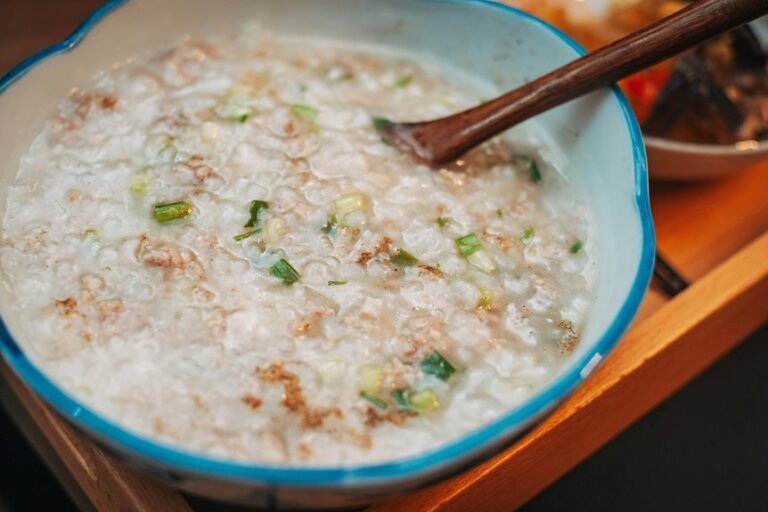
Rice serving sizes on nutrition labels usually refer to uncooked rice. Cooked rice weighs more because it absorbs water and expands. That means the portion on your plate can look much bigger than the label’s dry amount. Checking the serving basis helps you count calories more accurately and compare packages with restaurant portions.
What Rice Serving Sizes Mean
When you see a rice serving size on a label or in a nutrition guide, it usually refers to cooked rice, unless the package specifically gives a dry measurement. That distinction helps you read serving definitions and portion terminology with confidence.
In most nutrition guidance, a standard serving is about 1/2 cup cooked, or roughly 100 grams, which is close to a tennis ball or your fist. For dry rice, 1/4 cup often cooks into that amount, but brands might list grams instead of cups.
FDA labeling uses standardized portions based on typical eating patterns, so you can compare products more easily. Whenever you know the meaning behind the numbers, you can choose amounts that fit your goals and still feel included at the table.
Is Rice Serving Size Cooked or Uncooked?
Rice serving size is usually measured cooked, but nutrition labels often list the dry amount you start with so the numbers stay accurate after the grain absorbs water.
For you, that means serving terminology can feel tricky at the outset. A standard serving is about 1/2 cup cooked, roughly the size of a fist, while about 1/4 cup dry rice usually becomes that amount.
Since rice can double or triple in volume, measuring cooked rice helps you portion your plate, but measuring dry rice helps you track nutrition before cooking. This difference is the main source of portion confusion.
Should you be comparing brands or planning meals, check whether the serving refers to prepared rice or uncooked rice. That simple habit helps you stay consistent and confident.
How Rice Nutrition Labels List Servings
When you read a rice nutrition label, you’ll usually see a standardized serving size listed as a dry measure, such as 45 grams or 1/4 cup. That’s because the label’s serving format reflects the uncooked product, even though the rice’s volume changes after cooking. You should also check the household measure and prepared-yield details, since they show how much cooked rice that dry serving typically makes.
Serving Size Format
On rice nutrition labels, the serving size usually appears in both dry and prepared forms so you can see how much the grain weighs before cooking and what that amount becomes after water absorption. You’ll often notice a brand layout that pairs household measures, grams, and ounces, while label typography highlights the serving line for quick comparison.
This format helps you feel confident once you choose portions that fit your goals and your table. Standard labels often use ¼ cup dry or ½ cup cooked as a reference, and federal rules require consistent portions across products.
While you read the panel closely, you’re joining a group of shoppers who rely on clear, standardized facts to make informed, everyday food choices with ease.
Dry Versus Cooked
A closer look at the panel shows why rice servings can seem confusing at first: labels usually list the dry amount, not the cooked volume you end up eating. You’ll often see a standard measure such as 45 grams dry, because nutrition data is calculated before water changes the grain.
That means your bowl can look larger after cooking, yet the calories and nutrients still come from the uncooked rice. Cooking method effects matter, since absorption, simmering time, and rinsing all influence how much water the rice holds.
Moisture loss changes can also shift the final yield if you steam off more liquid. When you compare labels, you’re joining a practical system designed to help you portion rice consistently and confidently.
Label Measurement Details
Although rice nutrition labels can look straightforward, they follow specific rules about how servings appear. You’ll usually see a serving listed in label terminology as both a gram amount and a household measurement units statement, such as ¼ cup dry or ½ cup cooked. For grains, FDA rules tie the serving to typical intake, so companies must use standardized portions.
- Check whether the label means dry or prepared rice.
- Compare grams, because cups can vary after cooking.
- Keep in mind ¼ cup dry often becomes about ½ to ⅔ cup cooked.
- Use the listed serving to track calories and nutrients accurately.
When you read labels this way, you can feel confident choosing portions that fit your meal and your goals.
Why Rice Expands When It Cooks
At the time you cook rice, the grains absorb water and swell as the heat softens their structure. The starch inside gelatinizes, which helps the grains hold more moisture and expand in size.
That’s why a small amount of dry rice can turn into a much larger cooked portion.
Water Absorption Process
Rice expands because its dry starch granules absorb water and swell during cooking, which is why a small amount of uncooked rice turns into a much larger cooked portion. You’ll notice the absorption rate varies by rice type, age, and heat, so your cooking expansion won’t always match the package. That’s why labels usually list dry weights, not cooked volume.
- Measure dry rice for accurate nutrition.
- Expect ¼ cup dry to serve about one person.
- Cooked rice often doubles or triples in volume.
- Use the cooked amount as your final portion.
When you understand this water absorption process, you can plan meals confidently and fit into the right serving size with your household.
Starch Gelatinization
As the grains absorb water, another change drives the bigger, softer texture you see in the pot: starch gelatinization.
You heat rice, and its starch granules begin to take in water, swell, and lose their ordered structure. This starch granule swelling makes the grain feel tender instead of hard and chalky. Different rice types don’t behave exactly the same, because gelatinization temperature shifts with variety, moisture, and processing.
When you cook rice at the right heat, you help starch molecules loosen and form the familiar cooked texture you expect. That’s why dry rice measures can look much larger after cooking: the grain’s internal starch has changed, and you’re seeing the result of that change.
Grain Size Increase
At the pot’s edge, expansion is the reason a small amount of dry rice becomes much more cooked rice. You’re seeing grain expansion in action as each kernel absorbs water, softens, and widens, which raises cooked volume. That’s why labels list dry amounts, not the finished bowl.
- Dry rice soaks up water.
- Heat swells the starch network.
- Kernels separate and look bigger.
- Your portion can triple in volume.
In practice, ¼ cup dry rice often becomes about ½ to ⅔ cup cooked, while ½ cup dry can yield around 1 cup cooked. Upon you compare servings, measure the uncooked rice initially. That keeps nutrition tracking accurate and helps you share a familiar, consistent plate.
What One Serving of Rice Looks Like
A standard serving of rice is about ½ cup cooked, which is roughly 100 grams or 3.5 ounces and about the size of a tennis ball, baseball, or fist.
Whenever you envision portion visuals, this helps you see a balanced amount on your plate without guessing.
In serving examples, you could fill a small cereal bowl with that amount, or mound it beside vegetables and protein for a familiar meal.
This visual cue can make labeling easier to trust and meals easier to plan.
If you’re eating with others, you can use the same reference to stay aligned with typical portions and avoid over- or under-serving yourself.
That simple check supports consistency, confidence, and a shared sense of normal eating.
Cooked Rice vs. Uncooked Rice Portions
You’ll notice that cooked rice portions look larger because the grains absorb water and expand, so ½ cup cooked is the standard adult serving.
To measure accurately, you should check the dry amount, since about ¼ cup uncooked rice often yields a cooked serving.
On nutrition labels, you’ll usually see dry and prepared weights listed separately, which helps you compare portions more precisely.
Cooked Portion Differences
Cooked rice portions look larger because the grains absorb water and expand, so a small amount of dry rice can become a much bigger cooked serving. You can use this portion comparison to avoid overfilling your plate and to read serving visuals with confidence.
- A ½-cup cooked portion usually matches one standard serving.
- That amount looks about like a tennis ball, baseball, or fist.
- Different rice types can vary slightly after cooking, so your bowl may seem fuller.
- Should you’re tracking intake, choose the cooked amount shown on the label, not the uncooked volume.
When you serve yourself, aim for the cooked measure that fits your goals and feels familiar. That way, you’ll stay in sync with others at the table and make balanced choices.
Uncooked Measurement Basics
As you measure rice before cooking, the dry amount is what matters for label accuracy and recipe consistency.
With dry measurement basics, you track what’s in the package, not the water it’ll absorb later. That’s why raw rice portions usually start with cup measures or grams on nutrition labels. A common serving is about ¼ cup dry rice, which can become roughly ½ to ⅔ cup cooked, depending on the variety.
Because rice expands as it cooks, the same raw rice portions can look much larger at the table. Should you want to fit in with smart, label-savvy cooks, measure the uncooked rice first, then cook it as directed. This keeps your portions predictable and your nutrition estimates grounded in real data.
Label Serving Comparisons
On nutrition labels, rice serving sizes usually refer to the dry grain, not the cooked portion you see on the plate. If you compare label comparisons, you’ll notice portion terminology like 45 grams dry or 140 grams prepared for grains. That means about 1/4 cup uncooked rice often becomes 1/2 to 2/3 cup cooked after it absorbs water.
- Dry measure: Follow the label initially.
- Cooked look: Expect it to swell.
- Meal planning: Your bowl may hold more than one serving.
- Accuracy: Measuring dry rice helps you track calories and carbs.
You’re not alone in finding this confusing; labels can feel tricky. Once you learn the standard, you can serve yourself confidently and stay aligned with your goals.
How Much Rice Should You Measure?
How much rice should you measure depends on whether you’re measuring it dry or cooked, but for most adults, a standard serving is about ½ cup cooked rice, which is roughly 100 grams or about the size of a tennis ball or fist.
That amount helps you practice portion control without feeling deprived, and it fits easily into meal planning for balanced plates.
In case you’re tracking labels, keep in mind that many nutrition facts list rice as a dry amount, so the cooked portion can look larger after water is absorbed.
You can adjust from there based on your hunger, activity level, and goals.
In case you’re feeding kids, smaller servings usually make sense.
The key is consistency, so you can compare servings, manage intake, and stay confident with your choices.
How to Measure Rice Before Cooking
To measure rice before cooking, start with the dry amount, since nutrition labels and standard serving references are based on uncooked grains. You’ll get the most accurate result as you use reliable rice measuring tools and level dry rice cups instead of guessing.
- Choose your target portion, usually 1/4 cup dry for one standard serving.
- Fill the cup without packing the grains.
- Level the top with a flat edge.
- Cook only the amount your recipe or meal plan calls for.
This approach helps you match label data, stay consistent, and feel confident at the table. Because rice expands as it cooks, measuring dry keeps your portions predictable and supports your goals without making mealtime feel isolating.
How to Measure Rice After Cooking
After the rice has finished cooking, you can measure it using spooning it into a measuring cup and leveling it off without packing it down. This gives you a consistent cooked portion, usually about 1/2 cup for a standard serving, depending on grain type and moisture. Should you want accuracy, fluff the rice initially, then check the level with a flat edge.
Use rice texture checks to confirm grains are tender and separated, since compacted rice can overstate your portion. For leftover rice storage, cool it promptly, then refrigerate it in shallow containers before measuring again later. You’ll get the clearest result when you measure the rice after cooking, because water absorption changes volume and makes dry and cooked amounts differ.
White Rice vs. Brown Rice Labels
White rice and brown rice labels can look similar, but the serving size and nutrition values may differ because the grains aren’t processed the same way. As you read white rice labeling, check whether the facts refer to dry or prepared rice, since FDA standards often list 45 grams dry or 140 grams cooked. Brown rice nutrition usually shows more fiber and slightly more protein, so the numbers won’t match white rice exactly.
- Compare the serving basis first.
- Read the cup measure and gram weight.
- Check whether the label says enriched or whole grain.
- Choose the rice that fits your routine and goals.
You’re not alone in sorting this out; many labels need a careful look before you feel confident.
How to Track Rice Calories Accurately
To track rice calories accurately, weigh the dry rice before you cook it and use the package’s serving label as your reference.
After cooking, measure the portion you actually eat so you can match it to the prepared yield listed on the label. That approach helps you avoid overestimating or underestimating calories, especially since rice absorbs water and increases in volume.
Weigh Rice Before Cooking
Measuring rice before you cook it’s the most accurate way to track calories, because dry rice measurements are what nutrition labels are based on. Use a kitchen scale, tare your bowl, and record the uncooked grams so you can apply consistent portion scaling every time. That helps you stay aligned with your goals without guessing.
- Weigh 45 grams for a typical grain serving.
- Log the dry amount, not the cooked volume.
- Expect rice to absorb water and expand.
- Keep your method consistent for easier tracking.
When you measure this way, you join a routine that makes nutrition feel clear and manageable. It also reduces error from different cooking methods, so your calorie count stays dependable and practical.
Use Package Serving Labels
Package labels make rice tracking simpler because they tell you the serving size the manufacturer used for nutrition data. You can trust package terminology to show whether the numbers refer to dry or prepared rice, and that distinction matters for accurate calorie counts.
Check the serving size, cup measure, and gram weight together so you’re comparing your portion with the label’s standard. Some labels also use label icons to highlight whole-grain status, gluten-free claims, or portion guidance, which helps you choose food that fits your routine.
Whenever you follow the label closely, you stay aligned with the same measurement system everyone else uses, and that makes sharing meals, logging intake, and meeting your goals feel more consistent and less confusing.
Track Cooked Portions Accurately
Start with the rice after it’s cooked, since that’s the portion you actually eat and the easiest way to track calories accurately. For portion tracking, weigh or measure the finished rice in a cup, then compare it with label data.
A standard serving is about 1/2 cup cooked, or roughly 100 grams, but your plate might differ. Use these steps:
- Tare your bowl on a scale.
- Add cooked rice and record the grams.
- Match that weight to the package or database.
- Use serving estimation only whenever you can’t weigh it.
This method helps you stay consistent with your goals and feel confident at meals. Whenever you share rice with others, divide it evenly before serving so you don’t guess.
Common Rice Label Mistakes to Avoid
One of the most common rice label mistakes is assuming the listed serving size refers to cooked rice whereas it usually refers to the dry product. That misunderstanding drives label confusion and can make you overestimate calories, carbs, and portions.
Check the panel for grams, cups, and the note that rice expands upon cooking. Don’t rely on packaging claims that suggest a “light” or “healthy” serving without reading the actual amount.
You’ll usually see about 45 grams dry, which cooks into a much larger volume. Once you measure dry rice first, you stay aligned with FDA labeling rules and get more accurate nutrition tracking. That simple habit helps you fit in with people who portion meals intentionally and eat with confidence.
Restaurant Rice Portions vs. Package Servings
At restaurants, rice portions often look much larger than package servings, which can make it easy to misjudge how much you’re actually eating. In many restaurant portion sizes, a single scoop can equal two or more package servings, especially whenever servers use buffet serving bowls or wide plates that spread rice out visually. You can keep your estimate grounded via comparing what’s on your plate with label-based measures.
- A package serving is usually about 1/2 cup cooked rice.
- Restaurant scoops often exceed that amount.
- Buffet bowls can hide extra volume.
- Your best check is measuring at home once.
Whenever you know the gap, you can enjoy meals with others and still track your intake more confidently.
Quick Rules for Reading Rice Labels
A few quick checks can help you read rice labels correctly: look for whether the serving is listed as dry or prepared, since dry rice measurements are what nutrition facts usually use before cooking. In package reading, you’ll usually see ¼ cup dry, 45 grams, or 140 grams prepared. Use these serving shortcuts:
| Label clue | What it means | Best action |
|---|---|---|
| “Dry” | uncooked rice | weigh before cooking |
| “Prepared” | cooked rice | compare with your bowl |
| “Cup measure” | household portion | check the note |
Remember that rice swells as it cooks, so a small dry portion can look much larger later. Should you want accuracy, measure dry rice first, then track your cooked yield. That way, you’ll stay in control and feel confident.
Frequently Asked Questions
How Much Rice Does a Child’s Serving Usually Equal?
For children ages 1 to 3, a serving is usually 1/4 cup of cooked rice. For ages 4 to 6, it is about 1/3 cup. For ages 7 to 10, it is about 1/2 cup.
Does Instant Rice Use the Same Serving Size as Regular Rice?
Yes. Instant rice usually has a serving size similar to regular rice, with similar calories and labeling rules. Small differences can appear because the cooking method changes the final weight and yield, so check the package for the exact grams.
Why Do Rice Package Calories Seem Higher Than Cooked Portions?
Rice package calories look higher because dry rice is listed before cooking, while the cooked portion includes added water. Water increases weight and volume but adds no calories, so the numbers appear different.
Should I Weigh Rice Before or After Rinsing It?
Measure rice before rinsing for more accurate portions. Rinsing adds water and can slightly change the weight, so weighing dry rice first helps match package labels more closely and keeps your measurements consistent.
Do Whole-Grain Rice Varieties Have Different Serving Sizes?
Yes, whole grain rice varieties usually use similar portion sizes, but differences in grain type can slightly change the weight and volume on the label. Check the package serving size, since brown, wild, and black rice may list different measurements.