

Balanced meals play a crucial role in your overall health and well-being. You don’t need complicated recipes to create them. With just a few simple guidelines, you can build balanced meals that nourish your body without taking up too much time. Anyone can do it!
Key Takeaways
Fill half your plate with colorful fruits and vegetables. This boosts your intake of essential vitamins and minerals.
Incorporate lean proteins and whole grains into your meals. This combination provides energy and supports muscle repair.
Plan your meals weekly to simplify clean eating. This reduces stress and ensures you have balanced options ready to go.
What Are Balanced Meals?
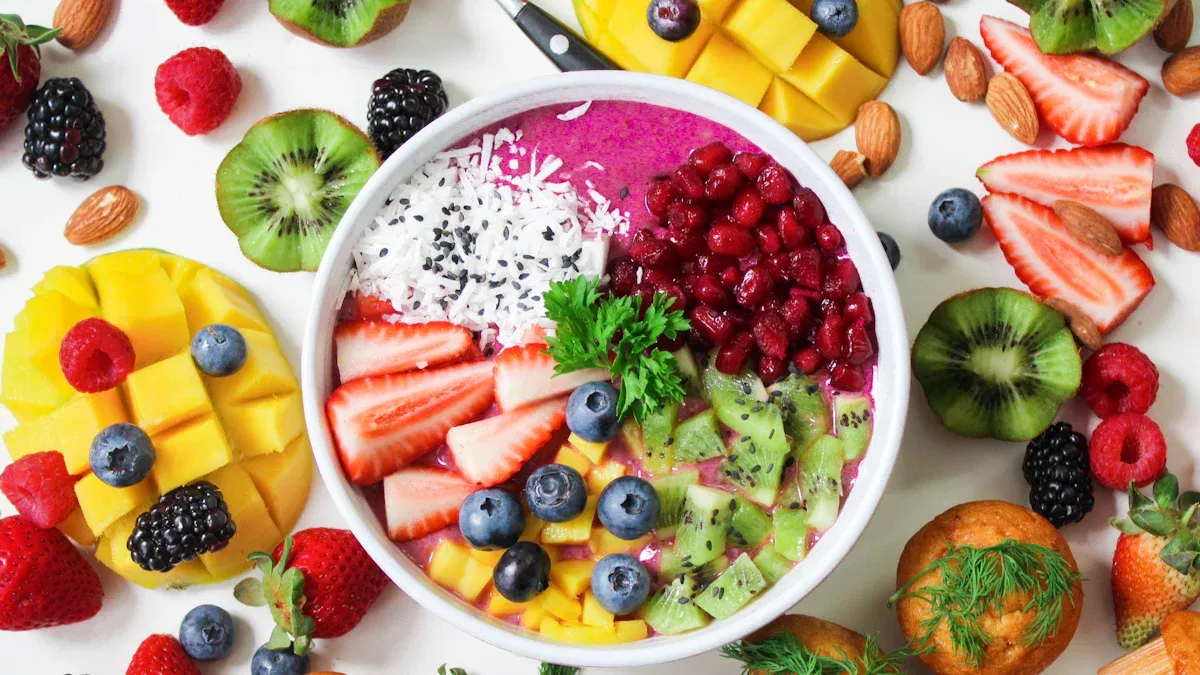
Balanced meals are essential for maintaining good health and well-being. They provide your body with the nutrients it needs to function optimally. But what exactly makes a meal balanced?
Key Nutrients
Nutrition experts generally agree on a simple definition of a balanced meal. Here’s a breakdown of what your plate should look like:
50% Fruits and Vegetables: Aim to fill half your plate with a variety of colorful fruits and vegetables. This ensures you get plenty of vitamins, minerals, and antioxidants.
25% Protein: Include lean protein sources like chicken, fish, beans, or tofu. This helps build and repair tissues in your body.
25% Grains: Choose whole grains, such as brown rice or quinoa, for sustained energy. At least half of your grain intake should come from whole grains.
Dairy: Aim for about 3 cups of dairy per day, which can include milk, yogurt, or cheese.
Here’s a quick reference table for a balanced meal:
Food Group | Proportion |
|---|---|
Fruits | 50% |
Vegetables | 50% |
Protein (lean) | 25% |
Grains (whole) | 25% |
Dairy | 3 cups per day |
Including these key nutrients in your meals not only supports your physical health but also enhances your mental well-being. Nutritional deficiencies can lead to serious health issues, including impaired bodily functions and negative impacts on mental health. For instance, nutrients like magnesium play a vital role in managing stress and anxiety.
Meal Satisfaction
Eating balanced meals can significantly improve your overall meal satisfaction. When you include a variety of foods, you’re more likely to feel full and satisfied. Research shows that allowing flexibility in your eating habits helps you listen to your hunger and fullness signals. This approach can reduce the tendency to binge eat, which often follows periods of extreme restriction.
Here are some benefits of balanced meals regarding satisfaction:
They help stabilize blood glucose levels, keeping your energy levels steady throughout the day.
Eating a mix of foods can prevent feelings of deprivation, making you less likely to overeat later.
Higher meal satisfaction is linked to better weight management and overall happiness with your eating experience.
Incorporating a balanced meal plan into your daily routine can lead to long-term health benefits. Regularly consuming a variety of foods not only supports your immune function but also reduces the risk of chronic diseases. So, the next time you sit down to eat, remember that a balanced meal is not just about nutrition; it’s about enjoying your food and feeling satisfied.
How to Build Balanced Meals
Building balanced meals can be simple and enjoyable. You don’t need complicated recipes to create nutritious dishes. Let’s break it down into easy steps.
Proteins and Carbs
Start by focusing on proteins and carbohydrates. These two components are essential for energy and muscle repair. Here’s how to incorporate them into your meals:
Fill a quarter of your plate with lean protein. Good sources include seafood, lean meats, poultry, eggs, legumes, soy products, nuts, and seeds. Aim for a portion size about the size of your palm, which is roughly 4 ounces.
Allocate another quarter for complex carbohydrates. Whole grains like brown rice, quinoa, and starchy vegetables are great choices. They provide lasting energy and keep you feeling full longer.
Here’s a quick reference table to help you remember the best sources:
Nutrient Type | Best Sources |
|---|---|
Protein | Seafood, lean meats, poultry, eggs, legumes, soy products, nuts, seeds |
Carbohydrates | Fruits, vegetables, whole grains, fat-free or low-fat milk products |
To make meal prep easier, consider using frozen vegetables. They’re just as nutritious as fresh ones and save you time in the kitchen. Planning your meals ahead can also reduce stress and ensure you’re eating balanced meals throughout the week.
Healthy Fats and Fiber
Next, let’s talk about healthy fats and fiber. These nutrients play a vital role in your overall health.
Include healthy fats in your meals. Foods like nuts, avocados, and olive oil are excellent sources. They help lower bad cholesterol and support heart health. For example, half an avocado contains about 5 grams of fiber, making it a great addition to your meals.
Don’t forget fiber! It aids digestion and keeps you feeling satisfied. Beans, whole grains, fruits, and vegetables are all high in fiber. Aim to make half your plate consist of fruits and vegetables, focusing on a variety of colors for maximum nutrition.
Here’s a list of some of the best sources of healthy fats and fiber:
Nuts: Great for protein and dietary fiber.
Oils: Use olive and canola oils for cooking.
Fatty Fish: Rich in omega-3 fatty acids, which promote heart health.
Beans: Provide both fiber and healthy fats.
By incorporating these elements into your meals, you’ll not only build balanced meals but also enjoy the health benefits that come with them. Remember, portion control is key. Following the guideline of filling half your plate with non-starchy vegetables, a quarter with protein, and a quarter with grains can help you maintain a balanced diet.
Easy Meal Planning Tips
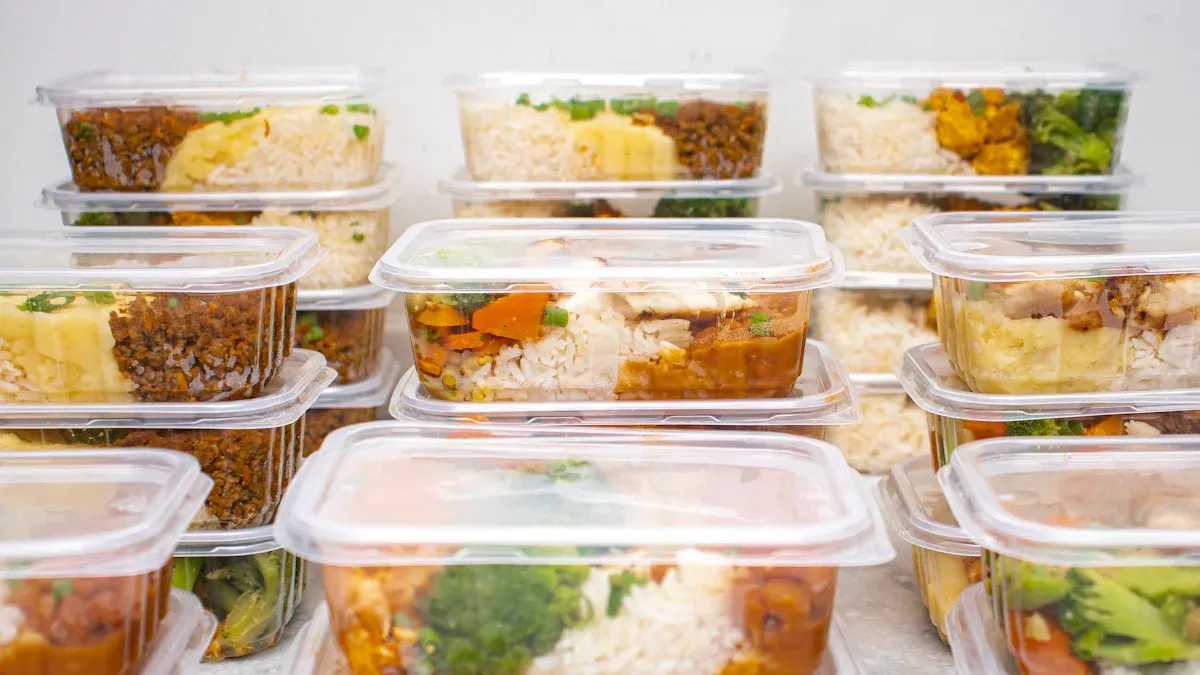
When it comes to meal planning, simplicity is key. You can save time and stress by using a few straightforward strategies. Let’s explore some quick meal combinations and tips for clean eating that fit seamlessly into your busy lifestyle.
Quick Meal Combinations
Creating balanced meals doesn’t have to be complicated. Here are some easy recipes that you can whip up in no time:
Caprese chicken breasts: Top chicken breasts with tomatoes, mozzarella, and basil. Serve with whole grain pasta for a complete meal.
Sheet pan pork chops and sweet potatoes: Roast pork chops with sweet potatoes and apples for a hassle-free dinner. This dish is perfect for leftovers!
Healthy mac and cheese (with veggies): Make a creamy mac and cheese using zucchini and cauliflower for added nutrition.
Taco salad: Combine romaine lettuce, ground beef, tomatoes, avocado, and beans. Top it off with a yogurt dressing for extra protein.
Slow cooker beef and broccoli: This homemade version of a take-out favorite is served over quinoa for a nutritious twist.
Easy chickpea curry: A quick vegetarian dish made with chickpeas, providing plant-based protein and fiber.
These combinations not only meet balanced meal criteria but also cater to various dietary needs. For example, if you’re vegetarian, you can easily swap out meat for legumes or tofu in these recipes.
Clean Eating Made Simple
Clean eating focuses on whole, minimally processed foods. Here are some tips to simplify this approach:
Choose whole foods: Stock your kitchen with fresh fruits, vegetables, lean proteins, whole grains, and healthy fats. This makes meal prep easier and encourages healthier eating habits.
Plan your meals: Dedicate time each week to plan your meals and snacks. This helps you stay organized and reduces stress around mealtime.
Pre-cut your veggies: Keep pre-cut vegetables and fruits on hand for quick snacks or meal prep. This saves time and makes it easier to grab healthy options.
Utilize one-pot meals: Recipes that require minimal cleanup, like sheet pan dinners or slow cooker meals, can simplify your cooking process.
Prepare freezer-friendly meals: Make soups and casseroles in advance and freeze them for convenience. This way, you always have a healthy option ready to go.
One effective strategy for meal planning is the 5-4-3-2-1 grocery method. This method simplifies the process of obtaining essential items, making it easier to plan balanced meals. Here’s how it works:
5: Choose five different fruits.
4: Pick four types of vegetables.
3: Select three protein sources.
2: Include two whole grains.
1: Add one healthy fat, like olive oil or nuts.
By knowing exactly what to buy, you reduce decision fatigue, which enhances your meal planning efficiency. Plus, this method can adapt to fit various dietary needs, providing flexibility in your meal prep.
Meal planning is essential for simplifying clean eating. By dedicating time each week to plan meals, you ensure a variety of nutrient-dense options are available. This approach helps you adhere to health goals while minimizing food waste.
Building balanced meals can be simple and enjoyable! Focus on incorporating low-calorie, nutrient-dense foods into your meals. These foods provide essential vitamins and minerals without unnecessary calories.
Experiment with different combinations to find what works best for you. For example, try eating less food more often or excluding certain foods for a while. Keep track of how these changes affect your well-being. Remember, the goal is to nourish your body without stress. Enjoy the process of meal prep and make eating a delightful experience!