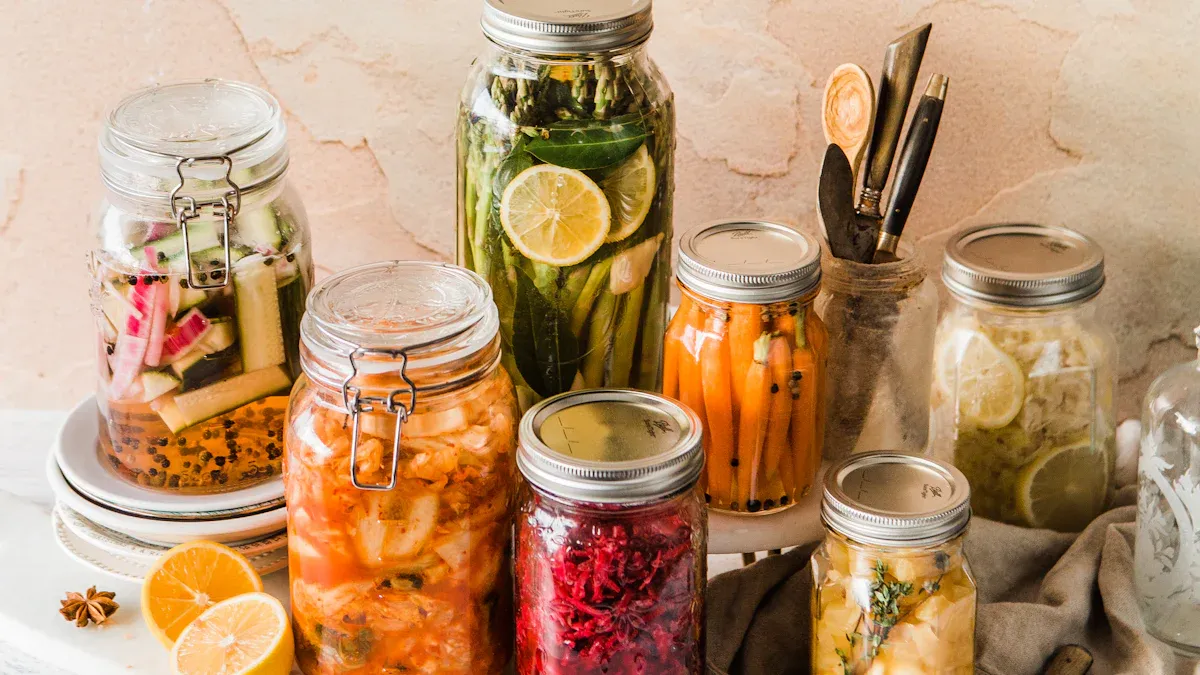
Storing fresh ingredients properly is crucial for maintaining their quality. It helps prevent spoilage and ensures your food stays at its best. Did you know that nearly two-thirds of food waste at home comes from fresh ingredients going bad before you have a chance to use them? Common mistakes include breaking the cold chain and not checking your refrigerator’s temperature. Let’s explore how to avoid these pitfalls!
Key Takeaways
Store fresh ingredients at the right temperature to prevent spoilage and maintain quality.
Organize your refrigerator by keeping raw meats on the bottom shelf and using clear bins for easy access.
Separate ethylene-producing fruits from sensitive vegetables to extend their freshness.
Storage Benefits
Storing your fresh ingredients properly offers significant benefits. First, it extends their shelf life and maintains their quality. When you keep food at the right temperature, control humidity, and limit air exposure, you help prevent spoilage. Here’s a quick look at how proper storage compares to improper methods:
Factor | Proper Storage Impact | Improper Storage Impact |
|---|---|---|
Temperature | Prevents bacterial growth and spoilage | Accelerates decay |
Humidity | Controls moisture to prevent mold | Excess moisture leads to mold and decay |
Air exposure | Reduces oxidation and deterioration | Prolonged exposure causes quality loss |
Cross-contamination | Prevents harmful bacteria transfer | Increases risk of contamination |
By following proper food storage practices, you not only keep your ingredients fresh but also protect your health. Improper storage can lead to foodborne illnesses. Here are some important points to consider:
Improper food storage increases the risk of cross-contamination and foodborne illness.
Students who relied on sensory cues (like smelling or examining food) before consuming it had a higher incidence of food poisoning (29.2%) compared to those who discarded potentially spoiled food immediately (4.4%).
Those who believed food should only be refrigerated for 1–2 days had a higher incidence of food poisoning (29.2%) than those who thought it could be stored for 5–7 days (2.0%).
By understanding these benefits, you can make informed choices that keep your food safe and delicious!
Best Ways to Store Fresh Ingredients
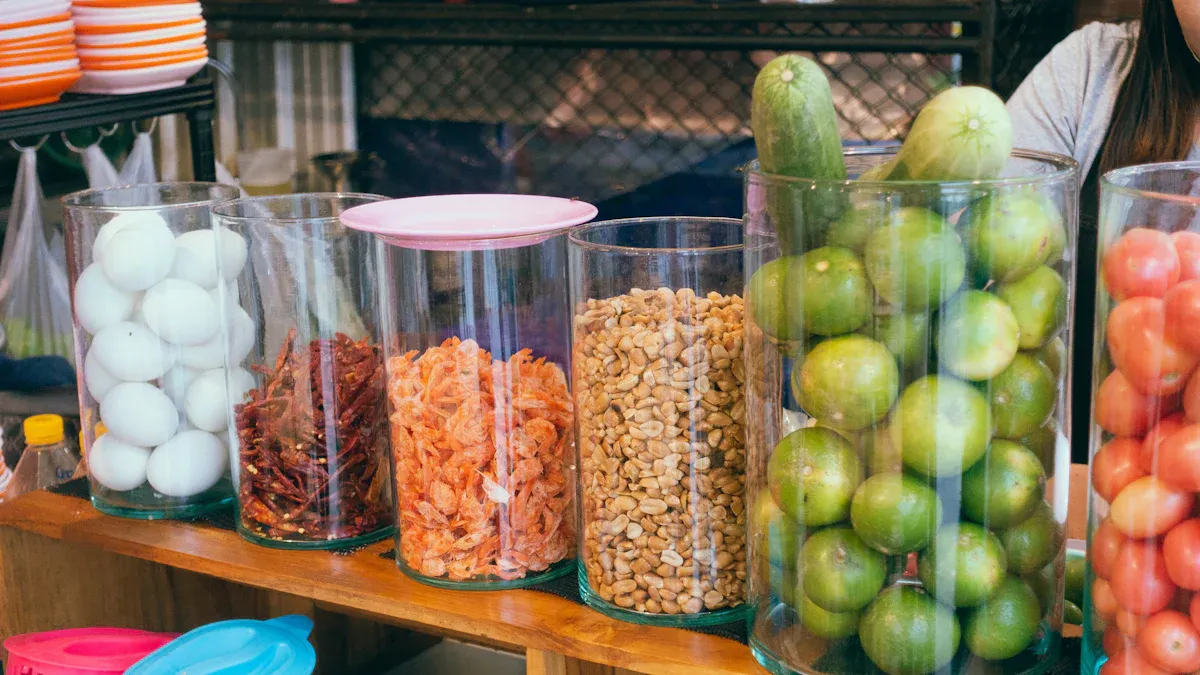
When it comes to storing fresh ingredients, you want to make sure you’re doing it right. Here are some of the best ways to store your ingredients safely and effectively.
Cold Storage Guidelines
Keeping your ingredients at the right temperature is key to maintaining their freshness. Here’s a quick reference table for the recommended temperature ranges for different types of fresh ingredients:
Food Type | Recommended Temperature Range |
|---|---|
Dry Foods | 10°C to 15°C (50°F to 59°F) |
Refrigerated Foods | 2°C to 4°C (36°F to 39°F) |
Fresh Meats | 1°C to 3°C (34°F to 37°F) |
Fruits (e.g., bananas) | 10°C to 15°C (50°F to 59°F) |
Frozen Foods | -18°C (0°F) or lower |
Make sure the temperature of your refrigerator stays within these ranges. This helps prevent spoilage and keeps your ingredients safe to eat.
Organizing Your Refrigerator
A well-organized refrigerator can make a big difference in how long your ingredients last. Here are some tips to help you organize your fridge effectively:
Store raw meats on the bottom shelf to avoid any drips contaminating other foods.
Keep dairy products like cream on the middle shelves, where the temperature is more stable.
Use clear storage bins to categorize food types for easy access.
Familiarize yourself with the cooler areas of the fridge, usually at the back of the bottom shelf, to store potentially hazardous foods.
Remember, regularly cleaning your refrigerator helps prevent bacteria and mold growth.
Also, pay attention to humidity levels. Different types of produce have varying humidity needs. For example, leafy greens thrive in high humidity, while apples prefer moderate humidity. Keeping this in mind can help you maintain the optimal quality of your vegetables.
Freezing Techniques
Freezing is a fantastic way to extend the shelf life of your fresh ingredients. Here are some best practices for freezing:
Pre-treat your produce by washing, peeling, and cutting as needed.
Blanch vegetables briefly in boiling water before freezing. This step helps deactivate enzymes that can affect quality, although it’s optional.
Use airtight containers or freezer bags to prevent freezer burn. Limit package sizes to one-half gallon or less for quicker freezing.
Avoid overloading the freezer to maintain optimal freezing conditions.
Freezing not only preserves the freshness and flavor of your food but also helps maintain its nutritional value. By following these techniques, you can enjoy your favorite ingredients long after their harvest.
Ingredient Storage Tips
Storing Dairy and Eggs
To keep your dairy products and eggs fresh, you need to pay attention to temperature and storage methods. Store dairy items like milk, cheese, and yogurt in the coldest part of your refrigerator, ideally at or below 40°F (4°C). Eggs should remain in their original carton to protect them from absorbing strong odors and flavors from other foods.
Improper storage can lead to foodborne illnesses. In fact, inadequate temperature control contributes to 9-23% of foodborne disease burden in various food categories. Salmonella infections linked to eggs often arise from insufficient cooking and can worsen with improper storage. To minimize risks, always check expiration dates and discard any items that look or smell off.
Tip: Regularly clean your refrigerator to prevent bacteria growth.
Storing Meat Safely
When it comes to meat, safety is paramount. Store raw meats separately from ready-to-eat foods to avoid cross-contamination. Use sealed containers or bags to keep juices from leaking onto other items. Here’s a quick reference for safe storage times:
Type of meat | Safe storage times (in the refrigerator) | Safe storage times (in the freezer) |
|---|---|---|
uncooked poultry | 1–2 days | 9 months (pieces) to 1 year (whole) |
uncooked ground meat | 1–2 days | 3–4 months |
uncooked steaks or chops | 3–4 days | 4–12 months, depending on the item |
uncooked fish | 1–2 days | 6 months |
cooked poultry, meat, or fish | 3–4 days | 2–6 months |
Always keep cold foods at or below 40°F (4°C) in the refrigerator and at or below 0°F (-18°C) in the freezer. This helps prevent bacterial growth.
Storing Fruits and Vegetables
Properly storing fruits and vegetables can significantly reduce food waste. Start by cleaning your produce before storage. Here’s how to do it effectively:
Cleaning Method | Description |
|---|---|
Natural Agents | Use vinegar (1 part vinegar to 3 parts water) or lemon juice to reduce bacteria. |
Soft Fruits | Soak in cold water with vinegar for 5-10 minutes, gently swirl, rinse, and dry. |
Leafy Greens | Soak, swish, lift out, rinse, and dry to remove dirt and bacteria. |
Hard-skinned Produce | Scrub with a vegetable brush under cool water, then rinse and dry. |
When storing fruits and vegetables, keep ethylene-producing fruits like apples and bananas separate from ethylene-sensitive vegetables such as broccoli and cauliflower. Ethylene gas accelerates ripening and spoilage, leading to decay and loss of quality.
Tip: Store different types of produce in separate drawers in the refrigerator to minimize ethylene exposure. Avoid overcrowding to maintain freshness.
By following these storage tips, you can enjoy your fresh ingredients longer and reduce food waste in your home.
Storing fresh ingredients properly is essential for your health and reducing waste. Remember these key points:
Keep food at the right temperature.
Organize your fridge to prevent spoilage.
Use FIFO to minimize waste.
By following these tips, you can enjoy fresher food and keep your kitchen safe!