Book Appointment Now

Simple Rice Recipes and Common Cooking Mistakes
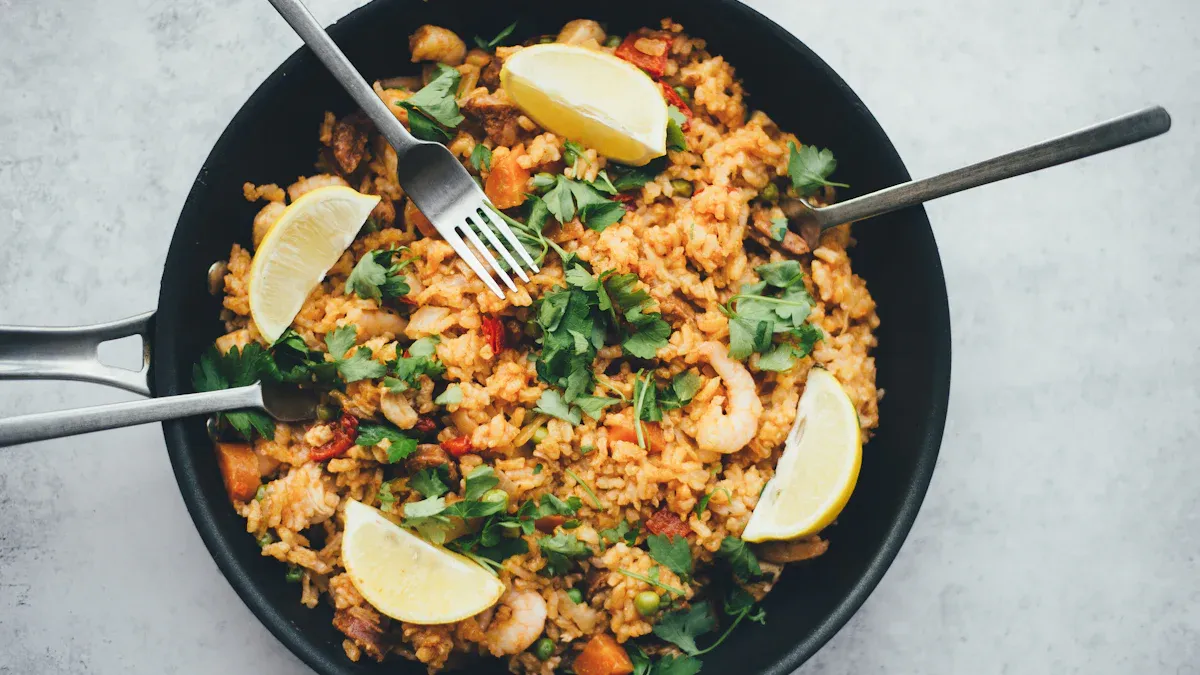
Rice is a staple food for over half of the world’s population, making it a key part of many diets. It offers versatility, fitting into countless dishes, including some simple rice recipes that anyone can try. However, cooking rice can be tricky. You might face challenges like getting the right texture or avoiding mushiness. Mastering these techniques can save you from frustration and lead to delicious meals, especially when you incorporate simple rice recipes into your cooking routine.
Key Takeaways
Master the basic white rice recipe by rinsing the rice, using the right water ratio, and letting it rest after cooking for fluffy results.
Avoid common mistakes like over-rinsing rice and incorrect cooking times. Measure accurately and follow package instructions for best outcomes.
Experiment with simple rice recipes like fried rice and pilaf to enhance your meals. Use leftover rice for quick and delicious dishes.
Simple Rice Recipes
Basic White Rice
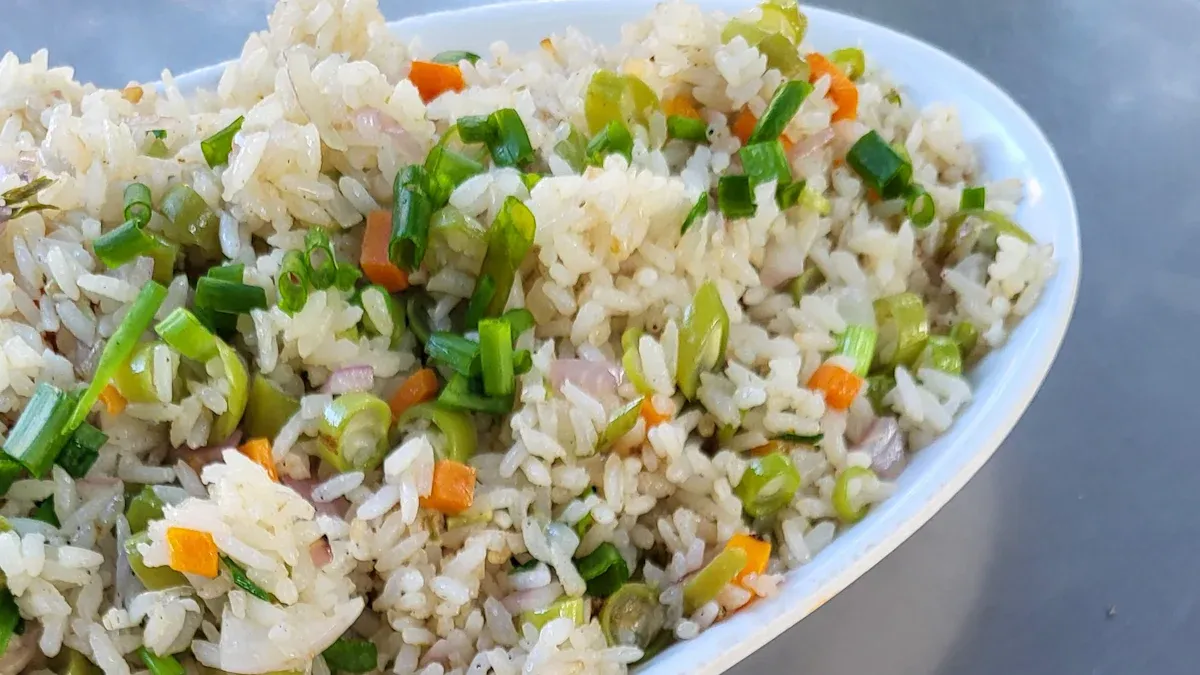
Cooking basic white rice is a fundamental skill that every home cook should master. Follow these steps to achieve perfectly fluffy rice:
Rinse the rice in a bowl with cool water until the water runs clear. This removes excess starch and prevents a gummy texture.
Combine the rinsed rice with fresh water in a saucepan. A common ratio is 1 cup of rice to 2 cups of water.
Cover the saucepan tightly with plastic wrap and aluminum foil. This helps trap steam for even cooking.
Bring the water to a boil, then reduce the heat to a simmer. Cook until the water is absorbed, adjusting the time based on your desired texture.
Let the rice rest, covered, for at least 5 minutes before fluffing it with a fork and serving.
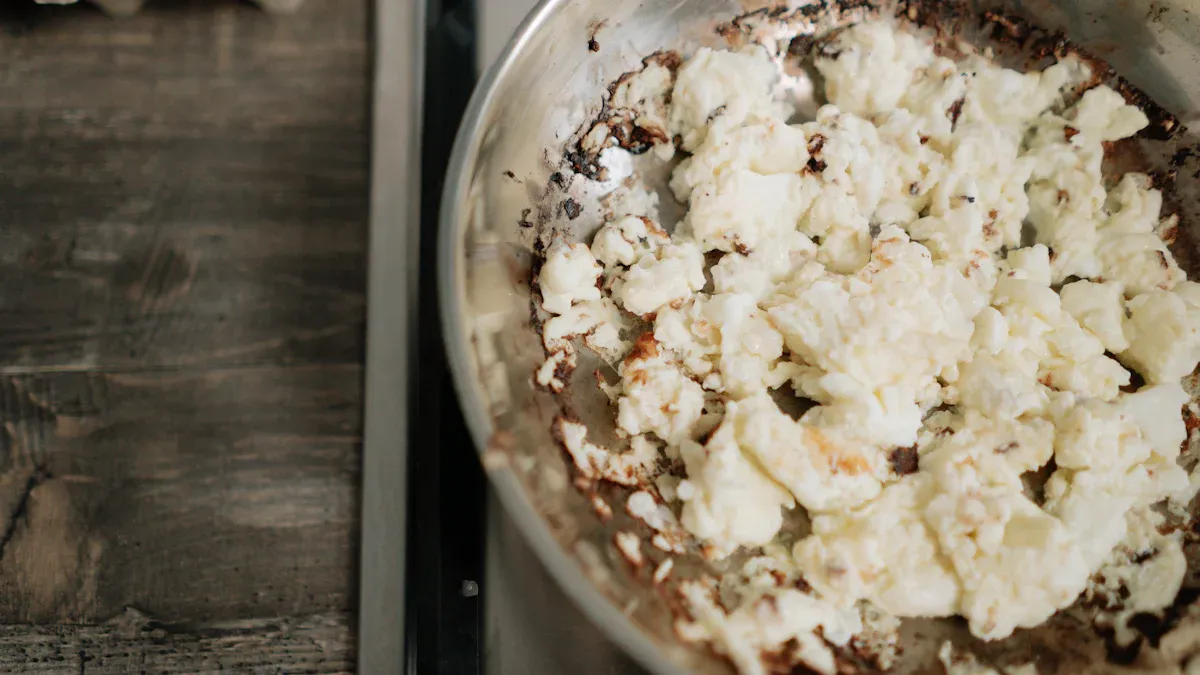
Tip: Avoid common mistakes like not rinsing the rice, guessing the water-to-rice ratio, or cooking on high heat. These can lead to undercooked or burnt rice. Remember, patience is key to achieving the fluffiest rice!
Fried Rice Variations
Fried rice is a fantastic way to repurpose leftover rice. It’s quick, versatile, and packed with flavor. Here’s how to make a basic fried rice dish:
Ingredients:
2 cups of cold, leftover rice
2 tablespoons of oil (canola or peanut oil works best)
2 eggs, beaten
1 cup of mixed vegetables (like peas, carrots, and corn)
Soy sauce or salt for seasoning
Optional: cooked chicken, shrimp, or tofu for added protein
Instructions:
Heat the oil in a large skillet or wok over medium-high heat.
Add the beaten eggs and scramble until fully cooked. Remove and set aside.
In the same pan, add the mixed vegetables and stir-fry until tender.
Add the cold rice, breaking up any clumps. Stir-fry for a few minutes until heated through.
Mix in the scrambled eggs and season with soy sauce or salt to taste.
Tip: Use cold, leftover rice to prevent mushiness. Avoid over-seasoning with sauces to keep the rice from steaming. Experiment with different ingredients to keep your fried rice exciting!
Rice Pilaf
Rice pilaf is a flavorful dish that stands out due to its use of aromatics and the toasting of rice. Here’s how to make a simple rice pilaf:
Heat 2 tablespoons of oil or butter in a skillet over medium heat.
Add chopped onions and garlic, cooking until softened.
Stir in 1 cup of rinsed rice, toasting it for 3-5 minutes until it turns slightly golden.
Pour in 2 cups of chicken or vegetable broth and bring to a boil.
Reduce the heat, cover, and let it simmer for 18-20 minutes.
Fluff the rice with a fork and let it sit for 10 minutes before serving.
Tip: Rinsing the rice helps remove excess starch, ensuring a light and fluffy texture. You can also add herbs or spices to enhance the flavor.
These simple rice recipes are perfect for any meal. They allow you to explore different flavors while avoiding common cooking mistakes. So, grab your ingredients and start cooking!
Common Rice Cooking Mistakes
Rice-to-Water Ratio
One of the biggest mistakes you can make when cooking rice is not getting the rice-to-water ratio right. This ratio is crucial for achieving perfectly cooked grains. For most types of rice, a general guideline is to use a 1:2 ratio of rice to water. However, different rice varieties may require slight adjustments. For instance, studies show that a ratio of 1.125:1 or 1.875:1 can cater to different preferences. While the 1:1 ratio works well for many, you might need to experiment to find the best rice-to-water ratio for your taste.
Tip: Always measure your rice and water accurately. Too little water can lead to dry, burnt rice, while too much can make it soggy.
Rinsing Rice
Rinsing rice is another area where many home cooks go wrong. You might think rinsing until the water runs clear is the best approach, but over-rinsing can wash away essential starches needed for certain rice types, like jasmine or basmati. Instead, rinse just enough to remove excess starch without losing the qualities that make these grains special. Rinsing helps prevent stickiness and leads to fluffier rice.
Rinsing removes surface starch, which helps prevent the rice from becoming sticky.
For white rice, washing it leads to fluffier grains by reducing the amylopectin content that causes stickiness.
Rinsing allows water to penetrate the rice more effectively, improving the cooking outcome.
Tip: Rinse rice a few times under cold water until the water is mostly clear, but don’t overdo it!
Cooking Time for Different Rice Types
Cooking times can vary significantly between rice types, and ignoring this can lead to cooking mistakes. For example, brown rice typically takes longer to cook than white rice. Here’s a quick reference for cooking times:
Rice Type | Cooking Method | Cooking Time |
|---|---|---|
Jasmine Brown Rice | Instant Pot | 22 minutes (plus 7-8 minutes to come to pressure, 15 minutes natural release) |
Jasmine Brown Rice | Stovetop | 35 to 40 minutes (until water is absorbed) |
Make sure to adjust your cooking time based on the type of rice you’re using. Letting rice sit after cooking is also essential. This helps the grains set and prevents them from becoming gummy.
Tip: Always check the package instructions for specific cooking times and methods for the rice you’re using.
Steaming and Stirring
When it comes to steaming rice, many people make the mistake of lifting the lid too often. Each time you lift the lid, you release steam, which can disrupt the cooking process. Instead, keep the lid on and let the rice steam undisturbed. Also, avoid excessive stirring. Stirring too much can break up the grains and lead to a gummy texture.
Rinse the rice well before cooking to ensure even steaming.
Soak the rice for a few hours to achieve a fluffy texture.
Poke holes in the rice bed to facilitate even steam distribution.
Tip: Let the rice rest for a few minutes after cooking before fluffing it with a fork. This helps achieve the desired texture.
By avoiding these common rice cooking mistakes, you can elevate your rice dishes and enjoy perfectly cooked grains every time!
Practicing rice recipes boosts your cooking confidence and helps you create delicious meals. Experiment with different dishes and ingredients, like vegetables and beans, to enhance flavor and nutrition. Remember to avoid common mistakes, and soon you’ll master the art of cooking rice!