
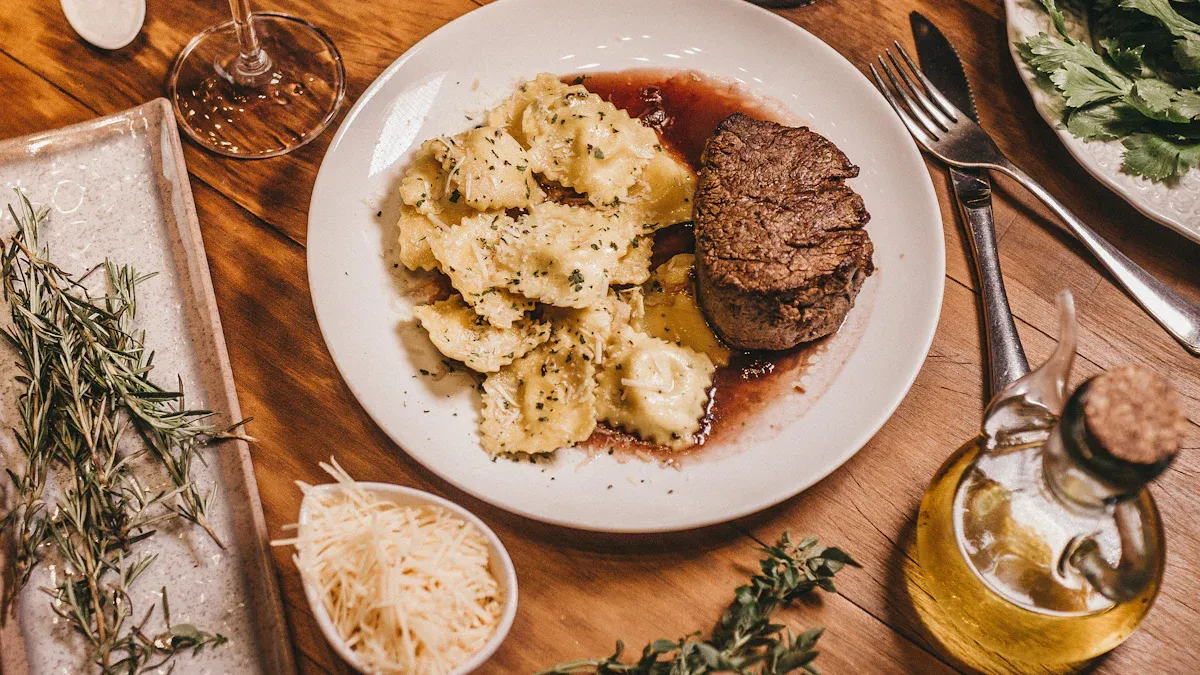
Salt and acidity play vital roles in cooking, contributing to the overall flavor balance of your dishes. They enhance flavors and create harmony in your culinary creations. Salt brings out the natural tastes of ingredients, making them more vibrant, while also helping to reduce bitterness, allowing other flavors to shine. Acidity, found in ingredients like vinegar and citrus, brightens dishes and adds depth, further contributing to the flavor balance.
Research shows that the way you apply salt can significantly affect flavor perception. For example, uneven salt distribution can lead to a stronger perception of saltiness, disrupting the desired flavor balance. Moreover, historical uses of salt reveal its importance in food preservation and trade. Understanding how these elements work together can elevate your cooking and achieve a perfect flavor balance.
Key Takeaways
Salt enhances flavors and reduces bitterness, making your dishes more vibrant and enjoyable.
Acidity from ingredients like vinegar and citrus brightens flavors and adds depth to your meals.
Layer salt throughout the cooking process for balanced flavor; taste as you go to adjust seasoning.
Avoid common mistakes like over-salting and neglecting to taste; these can lead to imbalanced dishes.
Experiment with different types of salt and acidic ingredients to discover unique flavor combinations.
Salt Basics

Types of Salt
Salt comes in various types, each with unique characteristics and uses. Understanding these differences can help you choose the right salt for your cooking needs. Here’s a quick overview of some common types of salt:
Type of Salt | Description | Mineral Composition |
|---|---|---|
Table Salt | Fine-grained, highly refined, often iodized. | Primarily sodium chloride, may contain iodine. |
Kosher Salt | Coarse, flaky, additive-free, preferred for seasoning and brining. | Primarily sodium chloride, no additives. |
Sea Salt | Made by evaporating seawater, retains trace minerals. | Contains various trace minerals. |
Rock Salt / Himalayan Pink Salt | Mined from ancient deposits, known for pink hue and mineral content. | Contains iron and other trace minerals. |
Smoked Salt | Salt infused with smoke flavor for added depth. | Primarily sodium chloride, flavor from smoke. |
Each type of salt can affect the texture and flavor of your food differently. For example, kosher salt’s larger grains make it easier to pinch and sprinkle, allowing for more control over seasoning. In contrast, table salt dissolves quickly, making it ideal for baking.
Enhancing Flavor with Salt
Salt plays a crucial role in enhancing the flavors of your dishes. It does more than just add saltiness; it can also balance bitterness and elevate sweetness. Here are some key ways salt enhances flavor:
Food is salted for flavor and succulence. Without it, food can taste flat. Baked goods also benefit from a little salt. If a recipe doesn’t have salt in it, sometimes it’ll have baking soda (sodium bicarbonate) as an ingredient, which contains salt, as does baking powder. But even a pinch can completely make a difference, and bakers sometimes sprinkle a few flakes of sea salt over a chocolate or caramel dessert to heighten flavors. In terms of succulence, salting meat in advance improves its flavor.
Salt interacts with your taste buds in a way that can reduce bitterness. Research indicates that sodium chloride interacts with specific bitter taste receptors, particularly TAS2R16, to suppress bitterness in food. This means that when you add salt, you can make bitter ingredients more palatable.
Additionally, mastering salt involves understanding how to layer flavors. Gradually adding salt during cooking allows you to build depth in your dishes. This technique helps balance sweetness and enhances the overall flavor profile.
Salt also plays a vital role in cooking techniques like marinades and brines. Salt draws out moisture from proteins, allowing other flavorings to penetrate deeper, tenderizing meat and adding richness. This process is essential for achieving flavorful and juicy results.
Acidity in Cooking
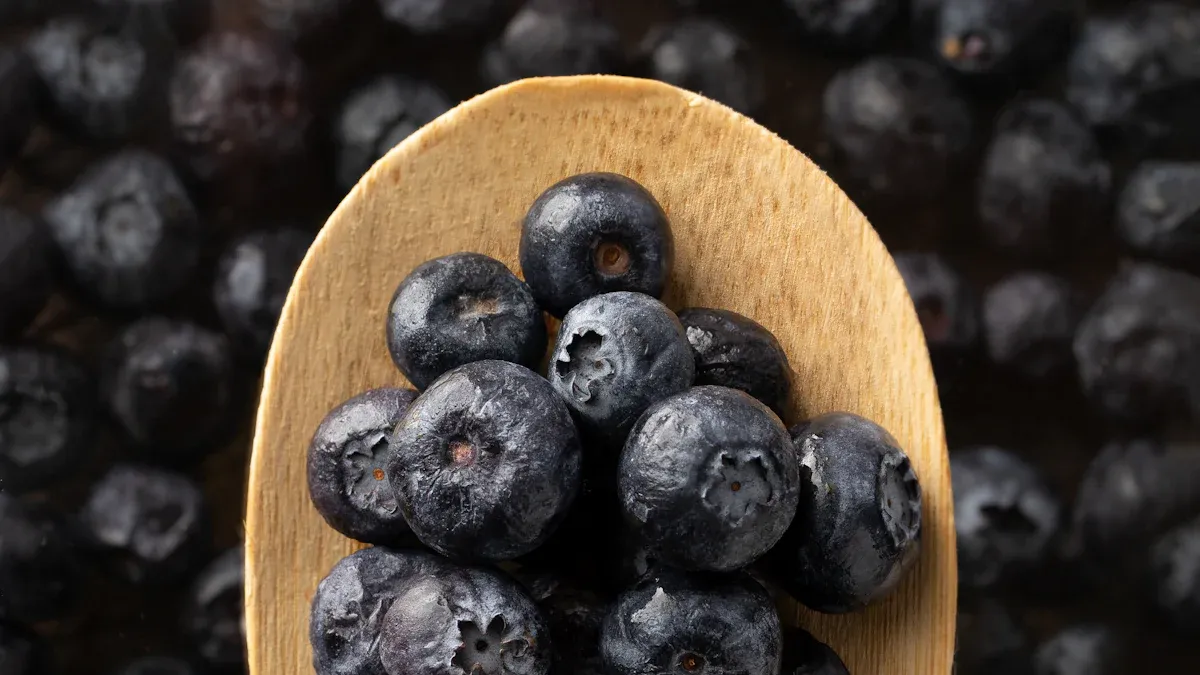
Common Acidic Ingredients
Acidity adds brightness and depth to your dishes. Many common ingredients provide this essential flavor. Here are some of the most frequently used acidic ingredients along with their average pH levels:
Ingredient | Average pH Level |
|---|---|
Vinegar | 2.40 – 3.40 |
Grapefruit | 3.00 – 3.75 |
Cucumbers, Dill pickles | 3.20 – 3.70 |
Sauerkraut | 3.30 – 3.60 |
Soy Sauce | 4.40 – 5.40 |
These ingredients not only enhance flavor but also help balance bitterness and sweetness in your meals. For example, vinegar’s sharp tang can cut through rich dishes, making them more delicious.
Flavor Profiles of Acidity
Acidic ingredients bring unique flavor profiles to your cooking. Here are some key types of acids and their characteristics:
Lactic acid: Found in fermented foods like yogurt, it has a softer, rounder flavor.
Acetic acid: The main acid in vinegar, it provides a sharp, tangy taste.
When you add these acids to your dishes, they elevate flavors and create a more vibrant experience. Acids can also affect the texture of your food. For instance, when you add vinegar or citrus juice early in cooking, they can help firm up vegetables by strengthening pectin in their cell walls. This means your veggies stay crisp and colorful.
In baking, acids play a crucial role. They can help with leavening and tenderizing proteins. For example, when you use yogurt in a marinade, it unwinds protein chains, allowing flavors to penetrate deeply. This technique makes your meat more flavorful and juicy.
Techniques for Flavor Balance
Balancing Salt and Acidity
Achieving a proper balance between salt and acidity can elevate your dishes to new heights. Here are some effective methods to help you master this balance:
Add Salt Early: When you add salt at the beginning of cooking, it amplifies flavors. This technique allows the salt to penetrate the ingredients, enhancing their natural taste.
Use Acid to Brighten: Incorporate acidic ingredients like vinegar or citrus juice towards the end of cooking. This addition brightens flavors and cuts through richness, making your dish more vibrant.
Taste as You Cook: Tasting and adjusting your dish throughout the cooking process is crucial. If you find your dish too salty, consider adding a splash of acid. This can help balance the flavors and restore harmony.
Layering Flavors: Instead of adding all your salt at once, layer it throughout the cooking process. This method builds depth and complexity in your dish.
Remember, if a dish becomes too salty, you can dilute it with water or add a bit of sugar or fat to help rebalance the flavors. For over-acidifying, a pinch of sugar can mitigate the acidity, bringing everything back into perfect harmony.
Common Mistakes to Avoid
Many home cooks make mistakes when using salt and acidic ingredients. Here are some common pitfalls to watch out for:
Over-Salting: Adding more salt does not always improve flavor. A balance of salt, acid, herbs, and spices is essential for depth in your dishes.
Ignoring Ingredient Saltiness: Ingredients like olives, cheese, and cured meats already contain salt. Failing to account for this can lead to an overly salty dish.
Uneven Distribution: When marinating or brining, ensure that salt is fully dissolved and evenly distributed. This prevents uneven flavor and texture in your meat or fish.
Neglecting to Taste: Skipping the tasting process can lead to imbalanced flavors. Always taste your dish as you cook to ensure it meets your desired flavor balance.
By avoiding these mistakes and mastering the balance of salt and acidity, you can level up your cooking and create dishes that are truly delightful.
Practical Cooking Applications
Recipes Highlighting Salt and Acidity
You can create delicious food by combining salt and acidity in your recipes. Here are a few examples:
Citrus-Infused Grilled Chicken: Marinate chicken in a mixture of olive oil, lemon juice, and kosher salt. The acidity from the lemon brightens the dish while the salt enhances the chicken’s flavor.
Vinaigrette Salad Dressing: Whisk together vinegar, mustard, and a pinch of salt. This dressing balances the acidity with the richness of the oil, making your salad vibrant and tasty.
Tomato Salsa: Combine diced tomatoes, onions, cilantro, lime juice, and salt. The lime juice adds acidity, cutting through the sweetness of the tomatoes and enhancing the overall flavor.
Cuisine | Ingredients Used | Characteristics of Salt and Acidic Elements |
|---|---|---|
Mediterranean | Spiced sea salt, fresh herbs | Emphasizes balance and flavor depth, often using salt as a base note. |
Latin American | Salt, citrus juices, vinegar | Incorporates acidity prominently, often in sauces for flavor enhancement. |
Asian | N/A | Specific information not provided in the retrieved texts. |
Scenarios for Flavor Balance
You may encounter situations where adjusting salt and acidity can elevate your dish. Here are some common scenarios:
Balancing Acidity: If your dish tastes too tangy, add a pinch of sugar or honey to soften the sharpness. For example, if a vinaigrette is too sharp, honey can mellow it out.
Adjusting Over-Sweetness: When a dish is overly sweet, a splash of acid like lemon juice or vinegar can restore balance. For instance, a cloyingly sweet stir-fry sauce can be brightened with rice vinegar or lime juice.
Enhancing Richness: Acids can cut through richness in dishes, making them more palatable. A drizzle of vinegar or a squeeze of citrus can help balance flavors in rich sauces or fatty meats.
To master these techniques, taste your food throughout the cooking process. Use a tasting bowl to avoid over-salting. Ask yourself if any ingredient’s flavor stands out or if the dish needs more salt. Remember, seasoning with salt and fat enhances flavor, so be confident in your choices.
Understanding salt and acidity is essential for creating balanced and flavorful dishes. Salt enhances flavors and reduces bitterness, while acidity brightens and adds depth. Research shows that alternating salt and acidity during fermentation shapes flavor profiles, highlighting their importance in cooking.
To improve your skills, experiment with these elements. Here are some tips:
Make small adjustments and observe the results.
Taste constantly to refine your dishes.
Trust your senses to recognize balanced flavors.
By practicing intentional seasoning and learning from your experiences, you can elevate your cooking and create delicious meals. Embrace the journey of flavor exploration!
FAQ
What is the best way to season food with salt?
Start by adding a small amount of salt early in the cooking process. Taste as you go, adjusting the seasoning gradually. This method helps you achieve a balanced flavor without overwhelming your dish.
How does acidity affect the flavor of my dishes?
Acidity brightens flavors and adds depth. Ingredients like vinegar and citrus can cut through richness, making your dishes more vibrant. They also help balance sweetness and bitterness, enhancing overall taste.
Can I use any type of salt for cooking?
Yes, but different salts have unique properties. For example, kosher salt is great for seasoning, while table salt dissolves quickly in baking. Choose the salt that best suits your cooking method and desired flavor.
How do I know if I’ve added too much acid?
If your dish tastes overly tangy or sharp, you may have added too much acid. To balance it, add a pinch of sugar or honey. This can soften the acidity and restore harmony to your flavors.
Why is tasting important while cooking?
Tasting allows you to adjust flavors as you cook. It helps you identify if your dish needs more salt, acid, or other seasonings. Regular tasting ensures you achieve the perfect flavor balance in your meals.