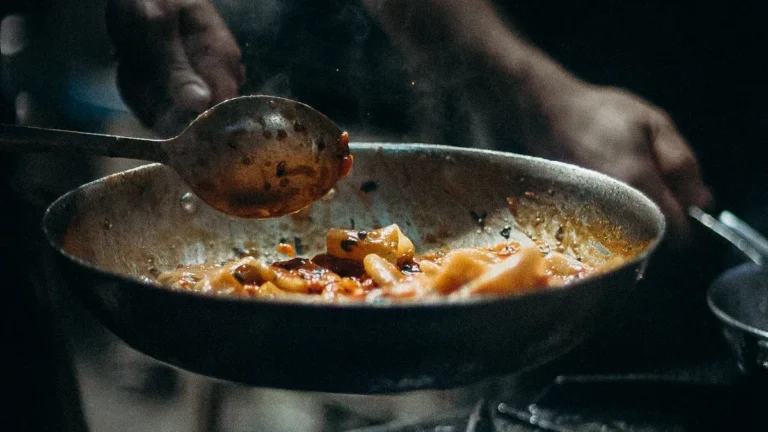
Imagine this: you’re excited to whip up a delicious stir-fry, but as you flip the veggies, they cling to the pan like they’re auditioning for a role in a cooking disaster movie. It’s frustrating, right? Many cooks face this same issue. Understanding how to prevent food sticking can transform your cooking experience, making it smoother and more enjoyable.
Key Takeaways
Choose the right cookware. Non-stick pans are great for delicate foods, while well-seasoned cast iron pans improve with use.
Preheat your pan properly. A hot pan helps food release easily and enhances flavor through better searing.
Use the right amount of fat. Choose oils with high smoke points and ensure your pan is evenly greased for optimal cooking.
Right Cookware
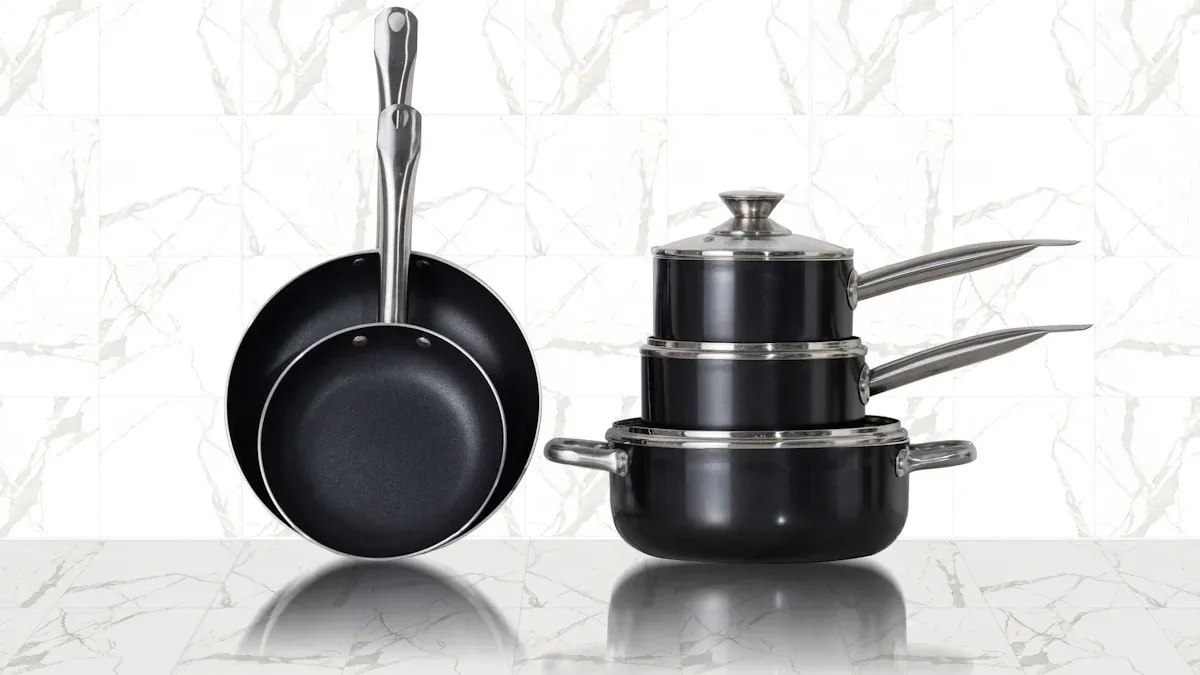
Choosing the right cookware can make a world of difference in your cooking experience. When it comes to preventing food from sticking, you have two popular options: non-stick pans and cast iron pans.
Non-Stick vs. Cast Iron
Non-stick pans are designed for easy food release. They feature a special coating that helps prevent sticking, making them ideal for delicate foods like eggs and pancakes. Here are some key points about non-stick pans:
They excel in food-release performance.
Their coatings can wear out over time, so proper care is essential.
They are perfect for low-fat cooking since you can use less oil.
On the other hand, cast iron pans can also provide a nonstick surface, but they require a bit more effort. A well-seasoned cast iron pan develops a natural patina that aids in food release. Here’s what you should know:
Seasoning creates a hard coating that enhances nonstick properties.
Food sticks mainly when the pan is too hot or lacks sufficient oil.
Over time, cast iron pans improve with use, becoming even more nonstick.
Quality Cookware Matters
Investing in high-quality cookware pays off in the long run. Here’s why:
Durable materials like stainless steel and hard-anodized aluminum last for decades.
They distribute heat evenly, preventing hot spots that can cause sticking.
Quality cookware is easier to clean and maintain, saving you time in the kitchen.
Starting with a clean pan is crucial, too. Residue from previous meals can lead to sticking, so always ensure your pans are spotless before cooking.
By choosing the right cookware and keeping it clean, you can significantly reduce the chances of food sticking, making your cooking experience much more enjoyable.
Start with a Hot Pan
Starting with a hot pan is one of the best ways to prevent food from sticking. When you preheat your pan properly, you create a surface that helps food release easily. Here’s how to do it effectively.
Preheating Techniques
Preheating your pan for at least five minutes is crucial. This time allows the metal to expand, closing tiny pores and gaps in the surface. Here are some effective preheating techniques:
Choose the Right Heat: Use medium heat for most pans. For delicate proteins, aim for around 350°F. For vegetables, 375°F works well, while searing meats requires a hotter pan at 400-450°F.
Observe the Oil: Once your pan is heated, add a small amount of oil. It should glide smoothly across the surface. If it pools or smokes, the pan is too hot.
Water Droplet Test: A simple way to check if your pan is ready is the water droplet test. Drop a small amount of water onto the pan. If it forms a bead and glides for 3-5 seconds before evaporating, you’re good to go!
By preheating your pan, you set the stage for better cooking. High temperatures help trigger the Maillard reaction, which enhances flavor and browning. Remember, overcrowding the pan can lower the temperature, leading to sticking and bland food.
Using Cold Fat
Now, let’s talk about the ‘hot pan, cold fat’ method. This technique involves adding cold oil or fat to a preheated pan. Here’s why it works:
Preheating creates a surface that enhances searing and caramelization, which helps food release.
Adding food to a cold pan can lead to steaming and sticking due to excess moisture.
Proper preheating prevents food from becoming soggy and ensures a golden-brown sear.
When you use cold fat in a hot pan, the oil heats quickly, creating a barrier that helps prevent sticking. Just make sure to let the oil heat up before adding your food. This method is especially effective for proteins like chicken or fish, which benefit from a good sear.
Prevent Food from Sticking with Fat
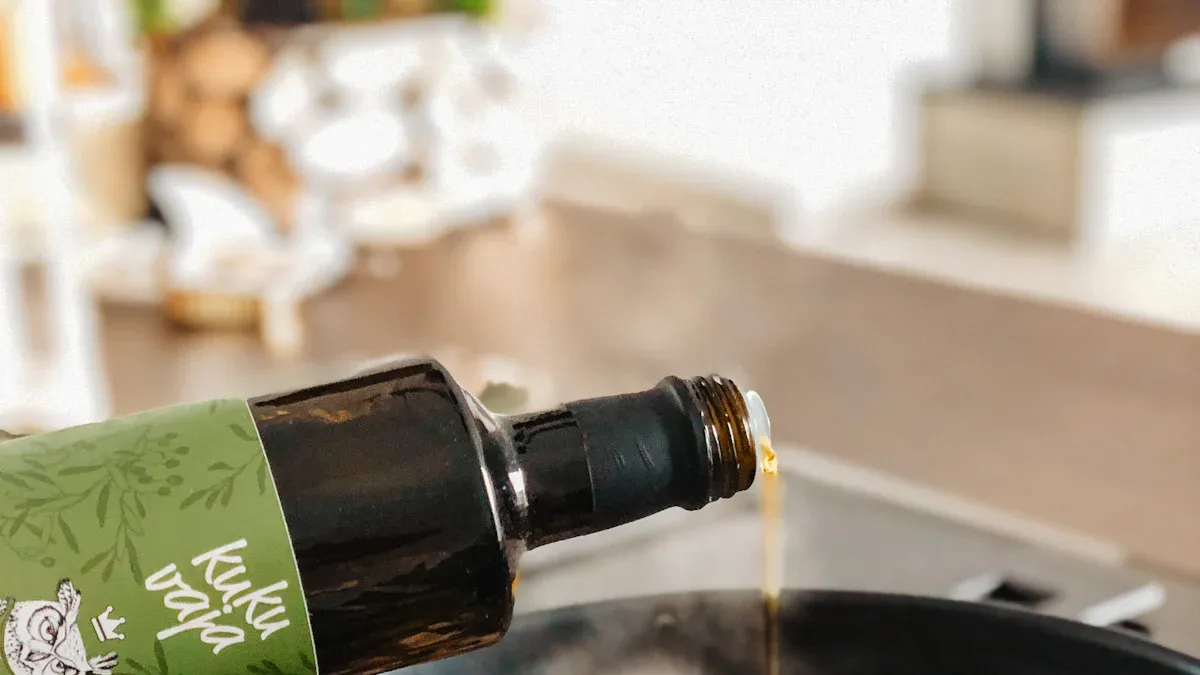
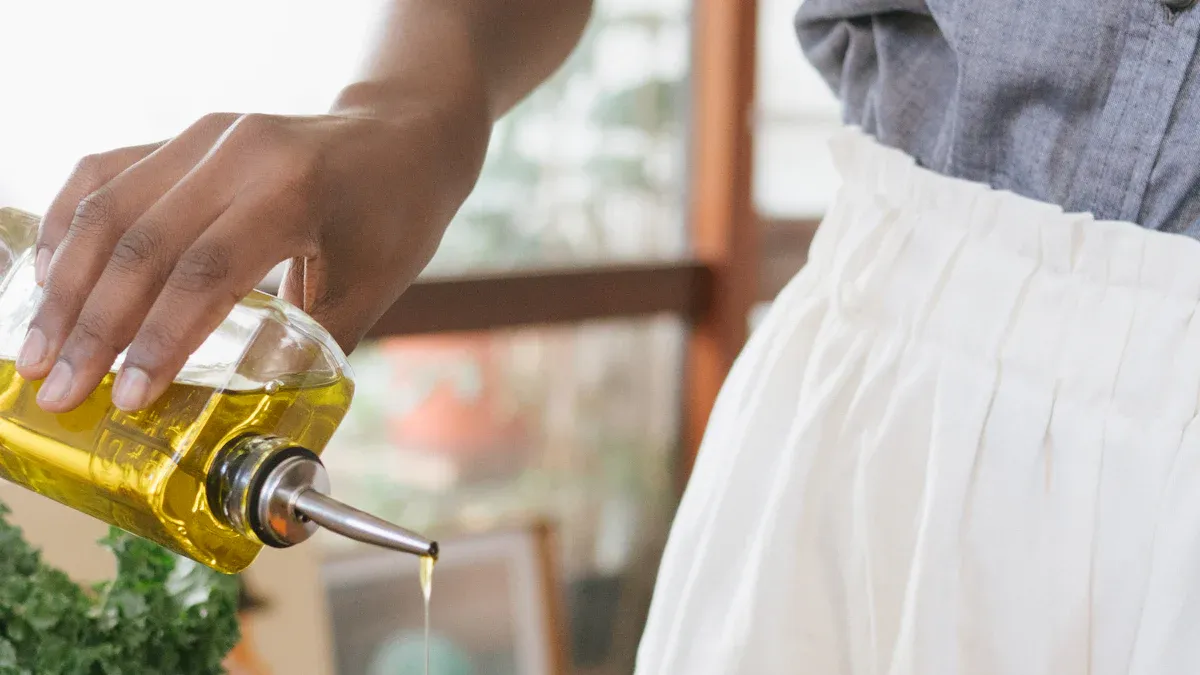
Using the right amount of fat is essential to prevent food from sticking. Different types of cooking oils can make a significant difference in your cooking experience. Let’s explore some of the best options and how to use them effectively.
Types of Cooking Oils
When it comes to cooking oils, not all are created equal. Some oils have higher smoke points, making them better for high-heat cooking. Here’s a quick look at some popular cooking oils and their smoke points:
Cooking Oil | Smoke Point (°F) |
|---|---|
Avocado oil (refined) | 480-520 |
Safflower oil | 450-500 |
Canola oil | 400-475 |
Soybean oil | 450 |
Sunflower oil (refined) | 450 |
Peanut oil (refined) | 450 |
Coconut oil (refined) | 400-450 |
Using oils with higher smoke points helps you achieve a properly seared piece of protein without burning. For example, avocado oil is excellent for frying because it can withstand high temperatures without breaking down.
Greasing Your Pan Properly
Proper greasing techniques are crucial for creating a non-stick surface. Here are some tips to help you grease your pan effectively:
Choose the Right Oil: Use oils that dry at high temperatures, like safflower or canola oil. These oils create a durable non-stick surface.
Apply Evenly: Make sure to coat the entire surface of the pan. You can use a paper towel or a brush to spread the oil evenly.
Let Cold Meat Lose Its Chill: Before cooking, let your meat sit at room temperature for about 15-30 minutes. This helps it cook evenly and reduces sticking.
Make Sure the Meat is Dry: Pat your protein dry with paper towels before adding it to the pan. Moisture can create steam, leading to sticking.
Remember, when you add food to the pan, don’t move it too soon. Allow it to caramelize properly. This process not only enhances flavor but also helps create a natural barrier that prevents sticking.
By using the right amount of fat and greasing your pan properly, you can significantly reduce the chances of food sticking. This will make your cooking experience much more enjoyable and successful!
To wrap it up, remember these key strategies to prevent food from sticking:
Allow cold meat to reach room temperature.
Pat your meat dry before cooking.
Start with a hot pan for better searing.
Experiment with different cookware and fats to enhance your cooking experience. Happy cooking! 🍳
FAQ
What should I do if my food still sticks to the pan?
Make sure your pan is hot enough and use enough oil. Also, try letting the food caramelize before flipping.
Can I use cooking spray instead of oil?
Yes, cooking spray can work, but ensure you apply it evenly to prevent sticking.
How do I clean a non-stick pan properly?
Use a soft sponge and mild detergent. Avoid abrasive cleaners to maintain the non-stick coating.