Book Appointment Now

How to Organize a Small Kitchen for Maximum Efficiency
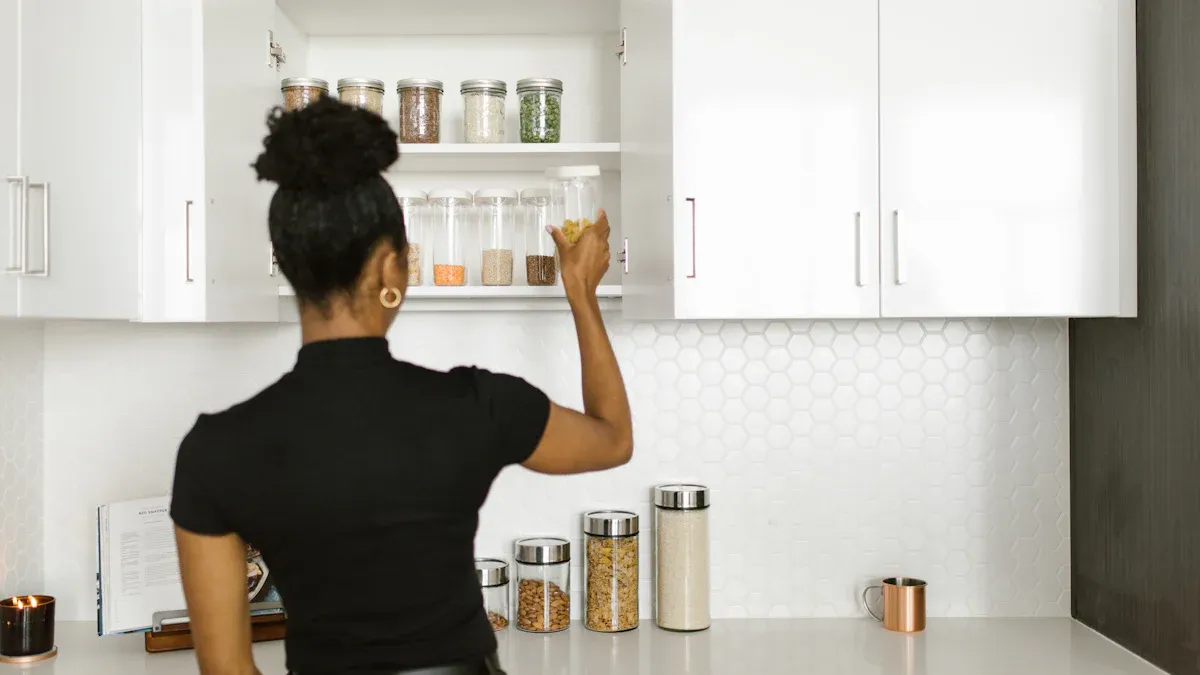
Imagine trying to cook dinner in a cramped kitchen where every drawer is stuffed and every counter is cluttered. It’s frustrating, right? You might feel overwhelmed just finding a pot or a spatula. Organizing your small kitchen can change that! When you take the time to organize, you create a space that runs smoothly. Here are some benefits you can enjoy from a well-organized kitchen:
Efficiency in Cooking and Meal Prep: You’ll access ingredients and utensils quickly.
Reduced Stress Levels: A tidy space can make cooking feel more enjoyable.
Improved Hygiene and Safety: Keeping surfaces clean reduces risks.
Cost Savings: You’ll avoid buying duplicates and wasting food.
Enhanced Visual Appeal: A neat kitchen looks inviting.
By taking steps to organize a small kitchen, you’ll transform your cooking experience.
Key Takeaways
Assess your kitchen space to understand its layout and storage options. This helps you plan effectively.
Declutter regularly by removing items you no longer use. This creates a more functional and open kitchen.
Optimize storage by using vertical space and grouping similar items together. This enhances accessibility and organization.
Arrange your kitchen for workflow by using the work triangle concept. This minimizes movement and boosts efficiency.
Maintain organization with regular check-ins and adapt to changes in your kitchen needs. This keeps your space functional over time.
Assess Your Space
Measure and Map
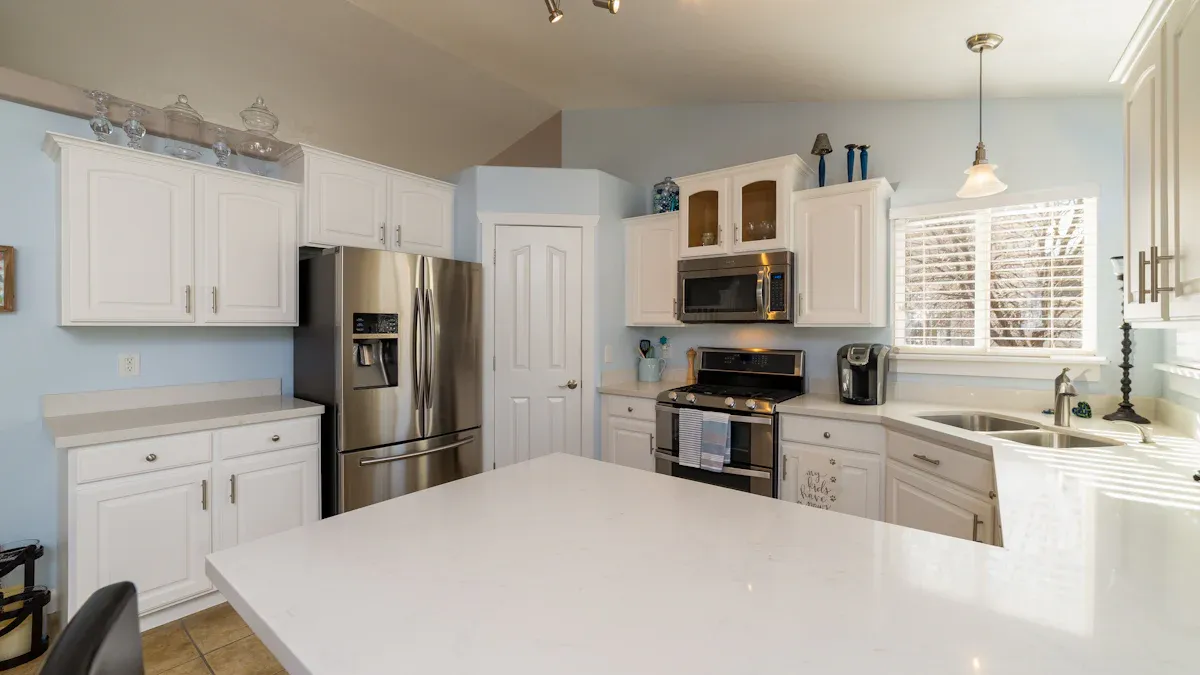
Before diving into organizing, take a moment to measure and map your kitchen. This step helps you understand your space better. Here’s how to get started:
Take stock of your available space: Measure the size of your kitchen and note the layout.
Evaluate your storage options: Count the number of cabinets, drawers, and how much counter space you have.
Identify work zones: Think about where you cook, prep, and clean. This will help you prioritize storage based on your kitchen activities.
You can use tools and apps to make this process easier. For example, HomeByMe offers photorealistic renders, while SketchUp provides powerful 3D modeling capabilities. If you prefer something user-friendly, try RoomSketcher for both 2D and 3D views.
Identify Problem Areas
Now that you have a clear picture of your kitchen, it’s time to identify problem areas. Here are some common issues to look for:
Problem Area | Description |
|---|---|
Undefined Zones | Poor layout can create bottlenecks, making it hard for multiple people to move around. |
All Closed Cabinetry | Relying solely on closed cabinets can make your kitchen feel cramped. Mixing in open shelving can help create a more open feel. |
Uncomfortable Islands | Islands can crowd your space if not designed properly. Ensure there’s enough room between the island and other elements for comfort. |
Lack of Flow | Awkward placement of cabinet and appliance doors can disrupt workflow, making tasks inefficient. |
Dark Cabinetry | Dark finishes absorb light, making your kitchen feel smaller. A balance of colors can maintain an airy feel. |
Big Furniture | Oversized furniture can overwhelm a small kitchen. Choose pieces that fit the scale of your space for better movement. |
By assessing your space and identifying these problem areas, you can create a plan that enhances your small kitchen organization. This will set the stage for a more efficient cooking experience!
Declutter for Efficiency
Purge Unnecessary Items
Decluttering is the first step to creating an efficient kitchen. You might feel overwhelmed by the number of items in your kitchen, but don’t worry! Start by focusing on what you really need. Here’s a simple approach to help you purge unnecessary items:
Remove everything from your cabinets, drawers, and countertops. This gives you a clear view of what you have.
Sort items into three categories: keep, donate/sell, and discard. Be honest with yourself—if you haven’t used an item in the past year, it’s time to let it go.
Be decisive. If an item is broken, damaged, or you have duplicates, consider tossing it.
Here are some specific items to look for during your decluttering session:
Discard broken or damaged items.
Eliminate duplicates to save space.
Get rid of unused gadgets that haven’t been used in the last year.
Purge outdated or expired items from your pantry.
By following these steps, you’ll create a more open and functional space, making it easier to organize a small kitchen effectively.
Keep Functional Items
Once you’ve decluttered, it’s time to focus on what you need for functionality. Assess the items you plan to keep based on how often you use them. Here are some tips to help you determine which items are essential:
Group similar items together. This makes it easier to find what you need when you’re in the middle of meal prep.
Optimize storage for better visibility and accessibility. Ensure frequently used items are easily reachable.
Review kitchen tools at least once a year. This helps you stay on top of what you really need.
Remember, the goal is to create a kitchen that works for you. By keeping only the items that serve a purpose, you’ll streamline your cooking process and make meal prep a breeze.
Embrace the decluttering process! It’s a crucial step toward achieving a more organized and efficient kitchen.
Optimize Storage Solutions
Use Vertical Space
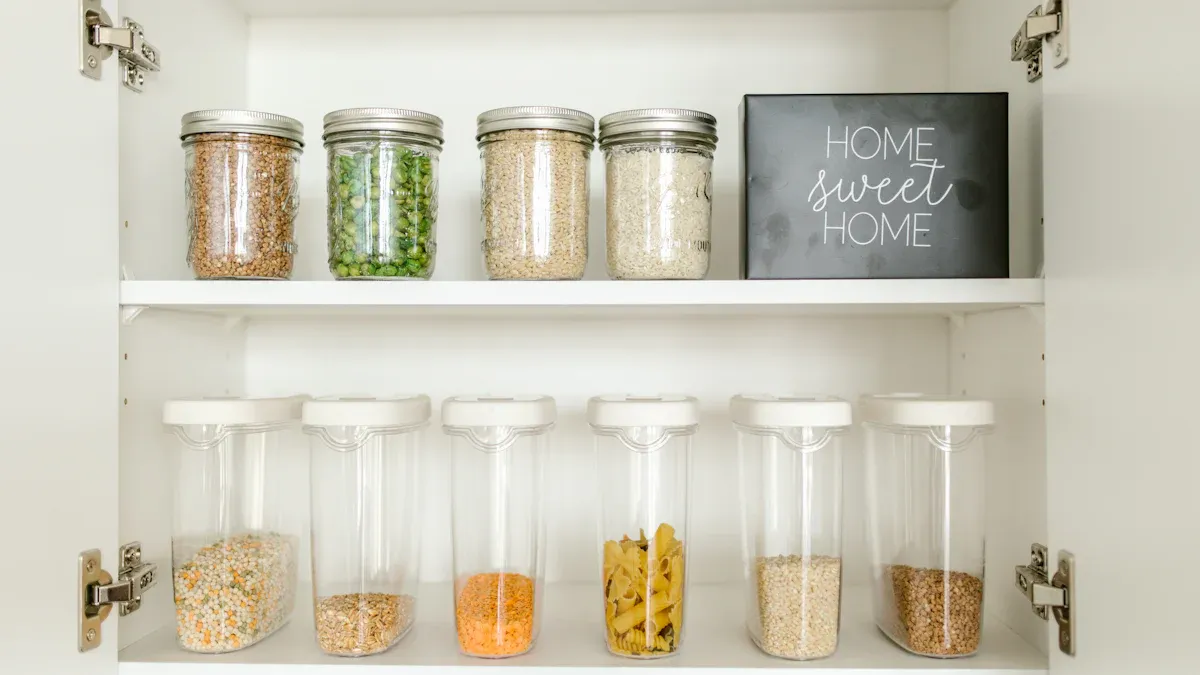
When it comes to small kitchens, maximizing vertical space is a game changer. You can create more storage without sacrificing precious counter space. Here are some effective ways to utilize that vertical area:
Install wall-mounted shelves: These can hold spices, cookbooks, or decorative items. They keep your counters clear and add a personal touch to your kitchen.
Use pegboards: Hang pots, pans, and utensils on a pegboard for easy access. This not only saves space but also adds a unique design element.
Consider tall cabinets: Opt for taller cabinets that reach the ceiling. This gives you extra storage for items you don’t use daily, like holiday dishes or large appliances.
Add hooks: Install hooks on walls or the sides of cabinets to hang mugs, utensils, or even pots. This keeps them within reach and adds a bit of flair.
According to the National Kitchen & Bath Association, larger cabinets and dedicated niches for small appliances are becoming popular in small kitchen designs. This trend highlights the importance of effective cabinet storage solutions that enhance both functionality and aesthetics.
Group Similar Items
Grouping similar items together can significantly improve your kitchen’s efficiency. When everything has its place, you’ll find what you need quickly. Here are some best practices for grouping items:
Best Practice | Description |
|---|---|
Store like items together | This makes it easier to find items and helps others in the household know where to return them. |
Assess space needs | Grouping items shows how much space is needed, aiding in better organization decisions. |
Use bins for small items | Bins help keep small items organized and prevent clutter in cabinets. |
Corral kids’ dishes | Keeping kids’ dishes in a designated bin encourages tidiness and accessibility for children. |
Using these strategies not only enhances accessibility but also makes your kitchen look more organized. Experts recommend clutter-busting solutions that enhance storage efficiency in small kitchens.
By grouping similar items, you can streamline your cooking process and make meal prep a breeze. Remember, an organized kitchen is a happy kitchen!
Arrange for Workflow
Kitchen Work Triangle
To make your small kitchen work efficiently, consider the kitchen work triangle. This concept involves placing your stove, sink, and refrigerator in a triangular formation. Why is this important? Here’s what you gain:
Minimized Movement: With everything close together, you won’t waste time walking back and forth.
Enhanced Productivity: You can cook, clean, and prep without unnecessary interruptions.
Better Use of Space: In a small kitchen, every inch counts. A well-placed triangle maximizes your available area.
By keeping these three key areas close, you’ll create a workflow that feels natural and efficient.
Zoning Your Kitchen
Next, let’s talk about zoning your kitchen. Smart zoning means creating functional kitchen zones for different tasks. Here’s how to do it effectively:
Create Zones: Designate specific areas for meal prep, cooking, cleaning, and storage. This organization reduces clutter and enhances efficiency.
Group Appliances: Keep similar appliances together. For example, place your blender near the prep area and your pots near the stove.
Establish Clear Paths: Make sure there’s enough space between zones to move freely. This is especially important if you often cook with others.
Here are some common kitchen layouts that support efficient zoning:
Galley Layout: This design maximizes functionality in narrow spaces.
L-shaped Layout: It uses two walls, promoting smooth traffic flow.
U-shaped Layout: This offers ample storage and work surfaces.
By implementing these strategies, you’ll create a kitchen that works for you. An efficient layout and smart zoning will make cooking and cleaning a breeze!
Maintain Organization
Regular Check-Ins
Keeping your kitchen organized isn’t a one-time task. You need to make it a habit! Regular check-ins help you maintain that tidy space. Here are some effective strategies to keep your kitchen in top shape:
Declutter & Use Dividers: Every six months, take a moment to purge items you haven’t used. Group similar utensils together using dividers to keep everything neat.
Clean As You Go: While cooking, use a bowl for trash and scraps. This minimizes mess and saves you time later.
Empty The Dishwasher Every Morning: This simple task prevents dishes from piling up and keeps your sink clear.
Empty and Scrub the Sink Every Night: A clean sink every morning sets a positive tone for the day.
By incorporating these habits, you’ll find it easier to keep your kitchen organized and functional.
Adapt to Changes
Your kitchen needs may change over time, and that’s perfectly normal! Adapting your organization to these changes ensures your kitchen remains efficient. Here are some common reasons you might need to adjust:
You might need to lower countertops for accessibility.
You could incorporate adjustable features for flexibility.
You may want to install pull-out shelves for easier access to items.
As kitchens evolve into hubs for cooking, socializing, and even working from home, adaptability becomes essential. Here are some strategies to help you adjust:
Purge unnecessary items to reduce clutter and make space for essentials.
Prioritize essential items by organizing them in the most accessible areas of your kitchen.
Utilize creative storage solutions to maximize space efficiency.
Involving your family in maintaining organization can also help. Consider creating a responsibility chart or using picture labels for younger kids. This way, everyone knows where things belong, making cleanup a breeze!
By regularly checking in and adapting to changes, you’ll keep your small kitchen running smoothly and efficiently.
Organizing your small kitchen can transform your cooking experience! Here’s a quick recap of what we covered:
Assess your space to understand your kitchen layout.
Declutter to create a functional environment.
Optimize storage by using vertical space and grouping similar items.
Arrange for workflow with the kitchen work triangle and zoning.
Maintain organization through regular check-ins and adaptability.
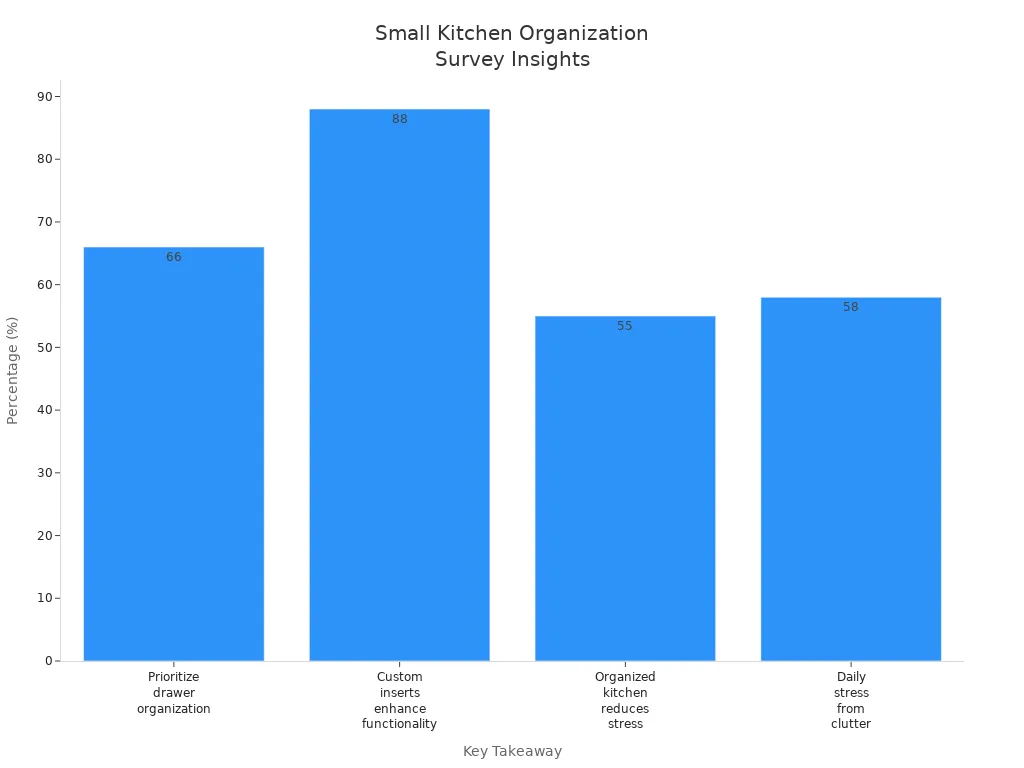
Taking the first step toward organization can lead to a more efficient kitchen. Remember, 66% of homeowners prioritize kitchen drawer organization, and 88% agree that custom drawer inserts enhance functionality. An organized kitchen not only reduces stress but also makes cooking more enjoyable. So, why wait? Start organizing today!
Statistic | Description |
|---|---|
66% | Homeowners prioritize kitchen drawer organization. |
88% | Agree that custom drawer inserts enhance kitchen functionality. |
55% | Believe an organized kitchen reduces stress. |
Embrace the benefits of an organized kitchen and enjoy a more efficient cooking space! 🍽️