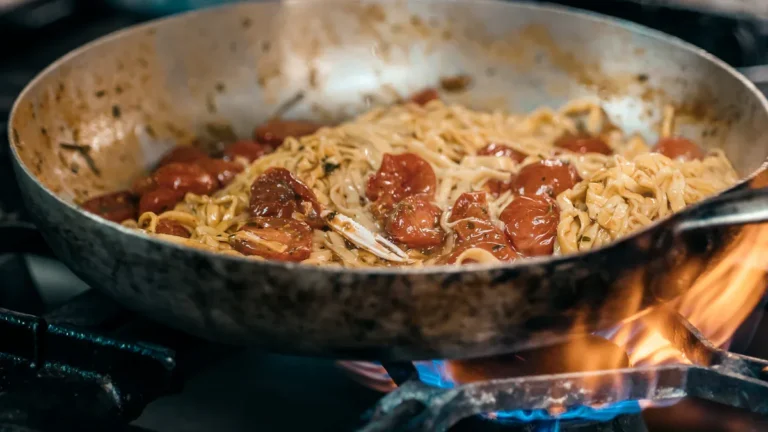
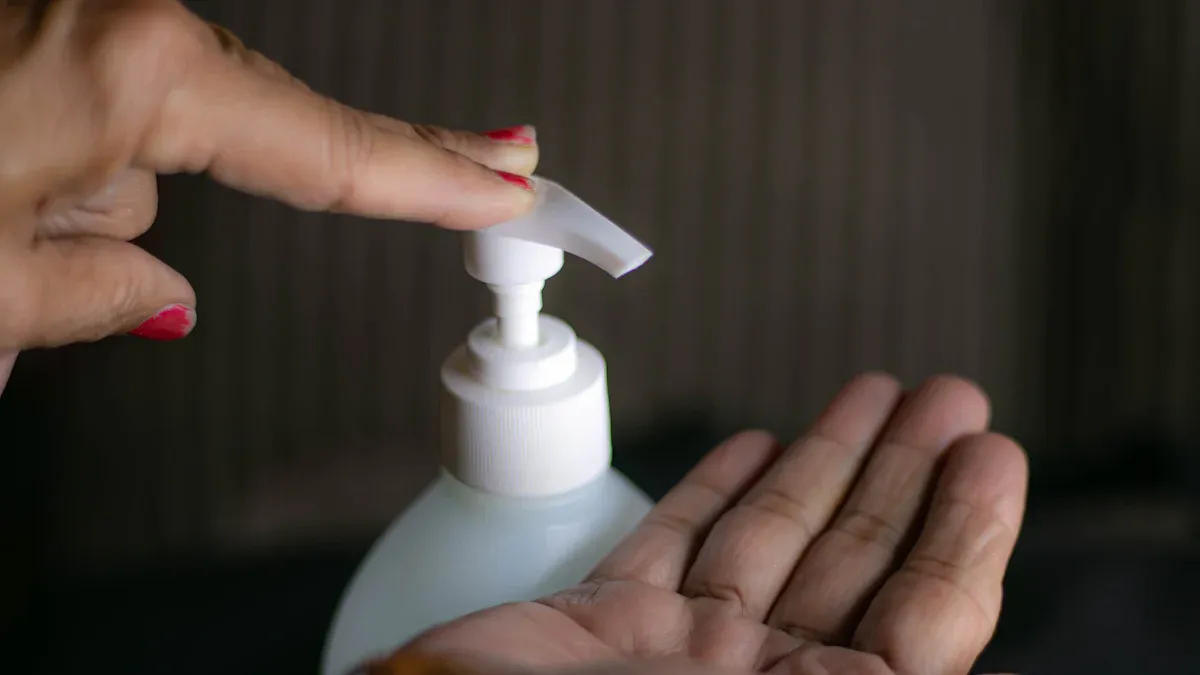
Maintaining kitchen hygiene and understanding Food Safety Basics is essential for preventing foodborne illnesses. Every year, up to one-third of the population in industrialized countries suffers from foodborne illnesses. In the United States alone, foodborne diseases cause around 76 million episodes of illness annually. Poor hygiene practices can lead to severe health impacts, including hospitalization and even death. By adopting good habits in the kitchen, you can significantly reduce these risks. Simple actions like proper handwashing and separating raw from cooked foods are key components of Food Safety Basics and can make a big difference in your health and safety.
Key Takeaways
Wash your hands frequently to prevent the spread of harmful bacteria. Always wash before and after handling food.
Separate raw and cooked foods to avoid cross-contamination. Use different cutting boards and utensils for each.
Cook food to the right temperatures to kill harmful germs. Use a food thermometer to ensure safety.
Store food properly in the refrigerator. Keep it at or below 40°F to slow bacterial growth.
Implement the FIFO method to manage food storage. Use older items first to reduce waste and ensure safety.
Kitchen Facility Requirements
Cleanliness and Maintenance
Maintaining cleanliness in your kitchen is crucial for food safety. Regular cleaning prevents the spread of bacteria and other harmful pathogens. Here are some recommended practices for keeping your kitchen clean:
Wash Hands: Always wash your hands before handling food.
Clean Surfaces: Wipe down countertops and cutting boards frequently.
Proper Cooking: Cook food to the right temperatures to kill harmful germs.
Chill Food: Store leftovers in the refrigerator promptly to prevent spoilage.
Avoid Cross-Contamination: Use separate utensils for raw and cooked foods.
To help you manage cleanliness, consider creating a cleaning schedule. Here’s a simple table to guide you:
Cleaning Task | Frequency | Responsibility |
|---|---|---|
Create a Cleaning Schedule | Daily/Weekly/Monthly | Assigned Team Members |
Divide Kitchen into Zones | Daily | Assigned Staff |
Use Color-Coding for Tools | Daily | All Staff |
Train Staff on Cleaning Procedures | As Needed | Management |
Focus on High-Touch Areas | Daily | All Staff |
Establish Dishwashing Protocols | After Each Use | All Staff |
Schedule Regular Deep Cleaning | Monthly | Cleaning Team |
Layout and Design
The layout and design of your kitchen significantly impact hygiene and food safety. A well-designed kitchen minimizes the risk of cross-contamination and promotes efficient cleaning. Here are some key considerations:
Sinks: Place sinks close to food preparation areas. This reduces the distance you need to travel, making it easier to wash hands frequently.
Work Triangle: Instead of the traditional work triangle, focus on a food safety triangle. This triangle should connect the sink, food preparation area, and stove.
Pest Prevention: Design your kitchen to prevent pests. Ensure that there are no gaps or openings where pests can enter.
Research shows that kitchens with a sink-to-countertop distance greater than one meter have a nine times higher chance of cross-contamination. Therefore, thoughtful design can enhance your kitchen’s safety and cleanliness.
By prioritizing cleanliness and thoughtful layout, you create a safer cooking environment for yourself and others.
Food Safety Basics
Food safety practices are essential for preventing foodborne illnesses. The core four practices of food safety include Clean, Separate, Cook, and Chill. Each practice plays a vital role in keeping your kitchen safe and healthy.
Clean and Sanitize
You must clean and sanitize your kitchen surfaces regularly. This action helps prevent the spread of harmful bacteria. Here are some key points to remember:
Wash your hands often, especially before handling food.
Clean countertops, cutting boards, and utensils after each use.
Use hot, soapy water or a sanitizing solution to wipe down surfaces.
Tip: In the U.S., approximately 9.4 million cases of foodborne illness occur each year. Many of these cases result from contaminated surfaces. Regular cleaning can significantly reduce these risks.
Separate Raw and Cooked Foods
You should always separate raw and cooked foods to avoid cross-contamination. Raw meat, poultry, and seafood can carry harmful pathogens. If these foods touch ready-to-eat items, they can contaminate them. Here’s how to maintain separation:
Use different cutting boards for raw and cooked foods.
Store raw meats on the bottom shelf of the refrigerator to prevent juices from dripping onto other foods.
Always use separate utensils for raw and cooked items.
Maintaining this separation is crucial. Studies show that cross-contamination is responsible for up to 39% of foodborne infections. By following these practices, you can protect yourself and others from illness.
Guideline | Description |
|---|---|
Clean | Wash hands and surfaces often to prevent bacteria spread. |
Separate | Avoid cross-contamination by keeping raw and cooked foods separate. |
Cook | Ensure food reaches safe internal temperatures to kill harmful bacteria. |
Chill | Refrigerate foods promptly to slow bacterial growth. |
By implementing these food safety basics, you create a safer kitchen environment. Good food hygiene is not just a recommendation; it is a necessity for everyone who prepares food.
Kitchen Hygiene Practices
Safe Cooking Temperatures
Cooking food to the right temperature is essential for food safety. It helps kill harmful bacteria that can cause foodborne illnesses. You should always use a food thermometer to check the internal temperature of your food. Here are the safe cooking temperatures for common foods:
Food Type | Safe Internal Temperature (°F) |
|---|---|
Whole cuts of beef, veal, lamb, and pork | 145°F (rest for 3 minutes) |
Fish with fins | 145°F |
Ground meats (beef, pork) | 160°F |
All poultry (including ground chicken) | 165°F |
Leftovers and casseroles | 165°F |
Using a food thermometer ensures that your food reaches the safe internal temperature needed to eliminate harmful bacteria. Remember, undercooked food can lead to serious health risks. Always check the temperature before serving.
Chilling and Refrigeration
Proper chilling and refrigeration are vital for preventing bacterial growth in perishable foods. You should refrigerate promptly after cooking or purchasing food. Here are some key guidelines to follow:
Store cooked foods that are moist and high in protein in the refrigerator to prevent bacterial growth.
Keep raw eggs, meat, poultry, and seafood cold to maintain quality and safety.
Do not leave perishable foods at room temperature for more than 2-3 hours.
Use the FIFO method (First In, First Out) to ensure older items are used first.
To help you remember how long to store different foods, here’s a quick reference:
Food Type | Maximum Safe Duration in Refrigerator |
|---|---|
Cooked Meats | 4 days |
Raw Meats | 3 to 5 days |
Leftovers | 3 to 4 days |
By following these chilling guidelines, you can keep your food safe and reduce the risk of foodborne illnesses. Regular cleaning of your refrigerator also helps maintain hygiene. Clean spills immediately and check for expired items regularly.
Personal Hygiene and Illness
Handwashing Protocols
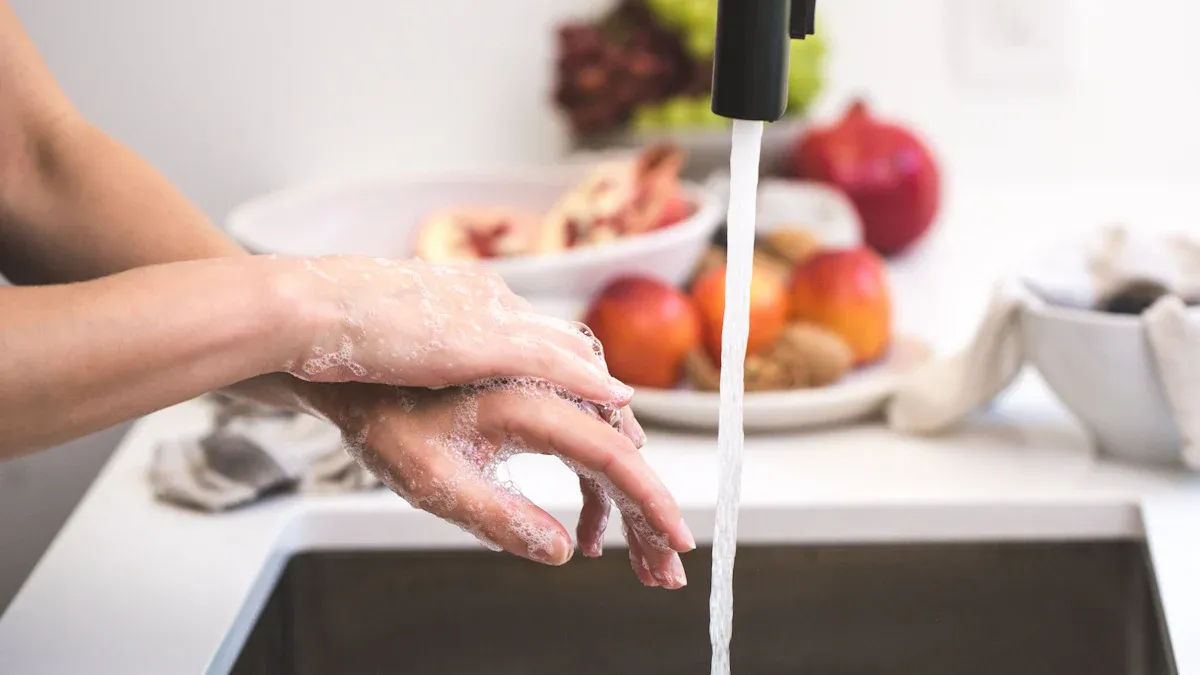
Handwashing is one of the most essential hygiene practices in the kitchen. You should wash your hands before, during, and after preparing food. Here are some key moments when you must wash your hands:
Before handling any food.
After touching uncooked meat, chicken, seafood, flour, or eggs.
Before and after using gloves.
Before eating.
After touching garbage or cleaning surfaces with chemicals.
After interacting with pets or pet food.
After coughing, sneezing, or blowing your nose.
Research shows that proper handwashing significantly reduces the spread of pathogens in kitchens. Historical observations highlight that handwashing can lower infection rates. Effective hand hygiene practices, including thorough washing and proper drying, are vital in preventing foodborne illnesses. Studies indicate that drying hands with paper towels is more effective than using air dryers.
Reporting Illness
Reporting illness among kitchen staff is crucial for preventing food contamination. Here are some best practices to follow:
Encourage Sick Employees to Stay Home: Establish a sick leave policy that encourages workers to stay home if they show symptoms like coughing or vomiting.
Practice Frequent Handwashing: Employees should wash their hands thoroughly with soap and warm water for at least twenty seconds, especially after using the restroom and before handling food.
Cover Coughs and Sneezes: Train employees to cover their mouths and noses when coughing or sneezing to minimize contamination risks.
Disinfect Shared Surfaces Regularly: Implement a routine cleaning schedule using food-safe disinfectants to sanitize high-touch areas throughout the day.
Educate and Train Staff: Provide training on food safety protocols and guidelines for recognizing symptoms that could pose a risk to others.
By following these personal hygiene practices, you can help create a safer kitchen environment. Remember, maintaining good hygiene is essential in preventing foodborne illnesses.
Food Storage and Safety
Safe Storage Practices
Proper food storage is essential for maintaining food safety and hygiene. You should follow these key practices to ensure your food stays fresh and safe:
Temperature Control: Keep your refrigerator at or below 40°F (4°C) and your freezer at or below 0°F (-18°C). This helps slow bacterial growth.
Dry Storage: Store dry goods in a cool, dry place. Keep them away from heat and humidity. Elevate items off the floor to prevent contamination.
Cold Storage: Maintain proper temperatures for perishable items. Ensure your refrigerator and freezer are well-maintained to avoid temperature fluctuations.
Proper Packaging: Use airtight containers or vacuum-sealed bags. This extends shelf life and prevents contamination.
Labeling your stored foods is also crucial. Good labeling practices help you manage your food effectively. Misinterpretation of expiration dates can lead to unnecessary food waste. Educating yourself on date labels can enhance your food management efforts.
FIFO Method
The FIFO method, which stands for First In, First Out, is a vital food storage system. This method ensures you use foods in the order they were received. By prioritizing older inventory, you reduce the risk of spoilage and foodborne illnesses. Here are some benefits of using the FIFO method:
It promotes efficient kitchen workflow by ensuring ingredients are used before they expire.
It reduces food waste by training food handlers to prioritize items with shorter shelf lives.
It ensures compliance with food safety laws, protecting consumers from foodborne illnesses.
Implementing FIFO can be challenging. Limited storage space may hinder proper stock rotation. New deliveries can cause mix-ups if your storage system is not organized. However, consistent training for kitchen staff can help maintain this system effectively.
By following safe storage practices and implementing the FIFO method, you can significantly enhance food safety in your kitchen.
In summary, maintaining kitchen hygiene and food safety is vital for your health. You can prevent foodborne illnesses by adopting simple practices like proper handwashing, safe food storage, and cooking at the right temperatures. Research shows that training and awareness are essential for food service employees to ensure safety. Remember, foodborne diseases affect millions globally, with children being the most vulnerable. By implementing these practices in your daily routine, you contribute to a healthier kitchen environment and protect yourself and your loved ones.
Tip: Always prioritize cleanliness and safety in your kitchen!
FAQ
What is the best way to wash my hands in the kitchen?
Wash your hands with soap and warm water for at least 20 seconds. Scrub all parts, including between fingers and under nails. Rinse thoroughly and dry with a clean towel or paper towel.
How can I prevent cross-contamination?
Use separate cutting boards and utensils for raw and cooked foods. Store raw meats on the bottom shelf of the refrigerator to avoid drips. Always wash hands after handling raw foods.
What temperature should I cook chicken to?
Cook chicken to an internal temperature of 165°F (75°C). Use a food thermometer to check. This temperature kills harmful bacteria and ensures the chicken is safe to eat.
How long can I keep leftovers in the fridge?
Store leftovers in the refrigerator for up to 3 to 4 days. Label containers with dates to track freshness. If unsure, it’s safer to throw them away.
Why is the FIFO method important?
The FIFO method ensures you use older food items first. This practice reduces waste and prevents spoilage. It helps maintain food safety by ensuring you consume items before they expire.