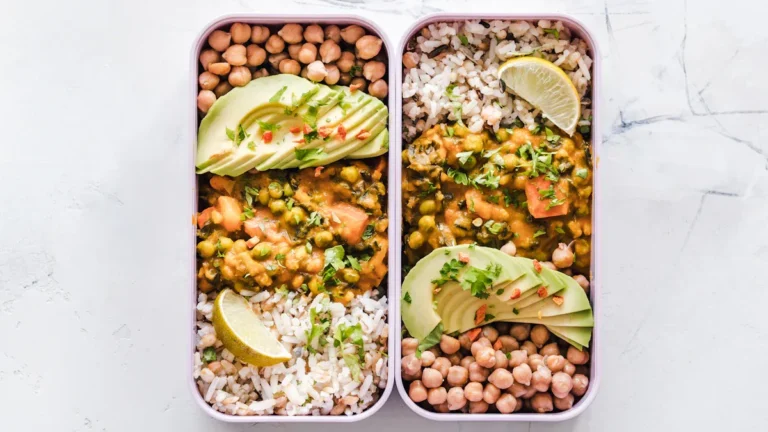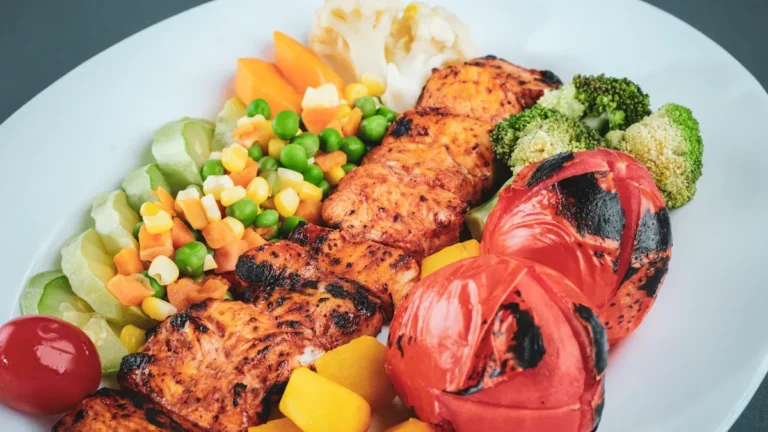
Imagine you’re hosting a dinner party and suddenly realize your recipe only serves four, but you have eight guests! It’s crucial to adjust recipes to avoid waste and ensure everyone leaves satisfied. When you scale up your dish, keep in mind that cooking times and temperatures might change. Also, be cautious with seasonings; adding too much can overpower the flavors. By calculating a conversion factor and measuring ingredients accurately, you can confidently adjust recipes and impress your guests.
Key Takeaways
Calculate the conversion factor to adjust recipes accurately. Divide the new yield by the original yield to find the right ingredient amounts.
Measure ingredients by weight for better accuracy. This method reduces errors and ensures consistent results, especially in baking.
Adjust seasonings carefully when scaling recipes. Start with less than double the amount and taste as you go to maintain flavor balance.
Modify cooking times based on portion size. Smaller amounts cook faster, so monitor your dish closely to avoid overcooking.
Use online converters to simplify scaling recipes. These tools can quickly adjust ingredient amounts for your desired serving size.
Serving Sizes
What is a Serving Size?
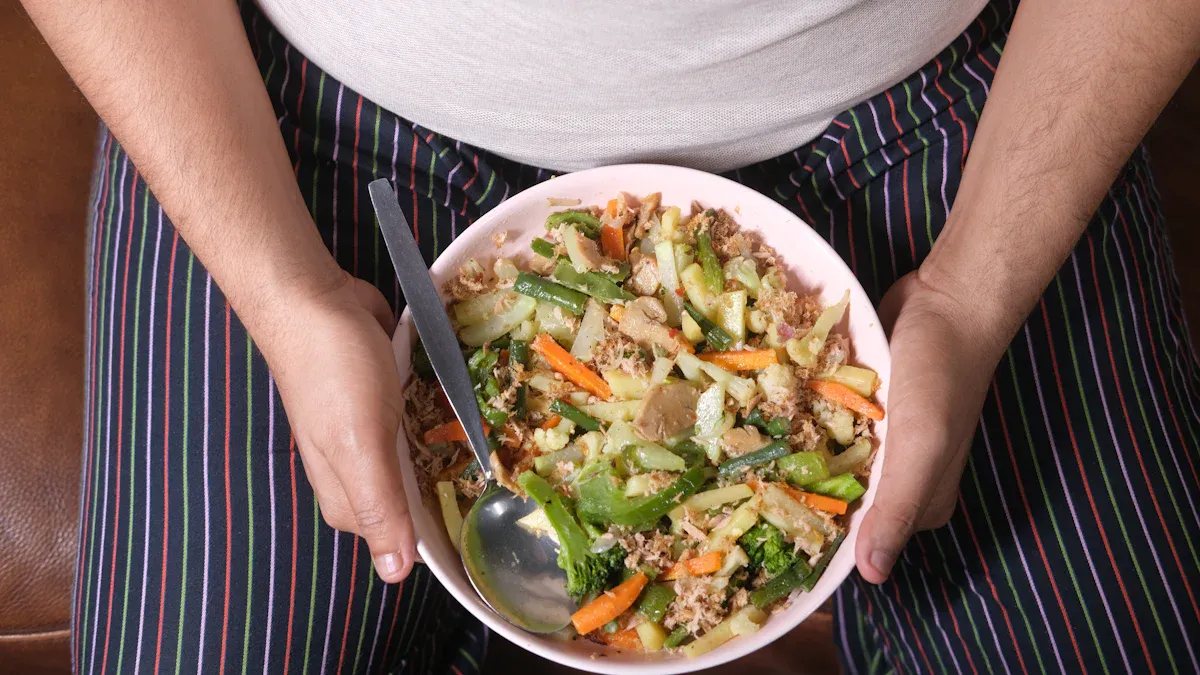
A serving size is the amount of food or drink that you typically consume in one sitting. It’s a standard measure that helps you understand how much you’re eating. For example, a serving of pasta might be about one cup, while a serving of meat could be three ounces. Knowing these sizes can help you manage your portions better.
Here’s a quick look at how serving sizes are defined:
Aspect | Description |
|---|---|
Serving Size | The amount of food or drink that is generally served. |
Portion Size | Determined by an external agent (like a chef) versus self-selected by the individual. |
Influencing Factors | Includes taste and how much it satisfies hunger. |
Why Serving Sizes Matter
Understanding serving sizes is crucial for several reasons. First, they help you gauge how much food you should eat. This can prevent overeating and help maintain a balanced diet. When you know the recommended serving sizes, you can make healthier choices.
For instance, if you’re cooking pasta, the recommended serving size is about one cup. If you serve more than that, you might end up consuming extra calories without realizing it.
Additionally, serving sizes can vary based on the recipe. For example, a hearty soup might have a larger serving size compared to a light salad. Here’s a quick reference for some popular dishes:
Tomato, Beef, and Macaroni Soup: ~1.5 cups per serving
Pasta e Fagioli Soup: Typically around 1 cup per serving
By being mindful of serving sizes, you can enjoy your meals while keeping your health in check. Remember, adjusting your portions can lead to a more satisfying dining experience without the worry of waste!
Adjusting Serving Sizes

Calculate Conversion Factor
When you want to adjust recipes, the first step is calculating the conversion factor. This factor helps you determine how much to increase or decrease each ingredient based on the number of servings you need. To find the conversion factor, use this simple formula:
Identify the new yield (the number of servings you want).
Identify the original yield (the number of servings the recipe makes).
Calculate the conversion factor using the formula:
[ text{Conversion Factor} = frac{text{New Yield}}{text{Original Yield}} ]
For example, if you want to adjust a recipe that serves 2 to serve 6, your calculation would look like this:
New Yield | Original Yield | Recipe Conversion Factor (RCF) |
|---|---|---|
6 | 2 | 3 |
This means you’ll multiply each ingredient by 3 to get the right amounts for your new serving size. Remember, when adjusting ingredient quantities, multiply the original amounts by the conversion factor. This method ensures you maintain the right balance of flavors and textures in your dish.
Measure by Weight
Measuring ingredients by weight is a game changer when adjusting serving sizes. It provides accuracy, especially for dry ingredients, where measuring cups can lead to inconsistencies due to air pockets. Here are some benefits of weighing ingredients:
Using a digital scale with a tare feature saves time and ensures accurate measurements.
Weight measurements simplify scaling recipes, making it easier to double or triple ingredient amounts without errors.
Weighing ingredients reduces the number of dishes to wash, as it often requires fewer bowls compared to using measuring cups.
To get started, follow these best practices:
Weigh ingredients individually and record the amounts for future reference.
Use online tools to convert volume measurements to weight if needed.
Manually convert measurements using a calculator for accuracy.
When you measure by weight, you’ll achieve better consistency in your recipes. As one expert puts it, “You will obtain better accuracy when measuring by weight…Also, it is easier to precisely measure weight than volume.” This precision is crucial, especially in baking, where the ratio of ingredients can significantly affect the final product.
Keep in mind that some ingredients, like chemical leaveners, don’t scale linearly. For instance, doubling the amount of baking powder can lead to excessive rising and may compromise the texture of your dish. So, always be mindful of how certain ingredients behave when scaling recipes.
By calculating the conversion factor and measuring by weight, you can confidently adjust recipes to suit your needs. This approach not only enhances your cooking skills but also helps you avoid waste and ensure everyone enjoys their meal.
Scaling Recipes for Flavor
Adjust Seasonings
When you scale a recipe, adjusting seasonings is key to maintaining flavor balance. Here are some tips to help you get it right:
Add incrementally: Start by adding a little less than double the amount of spices or salt. Taste as you go. This way, you can avoid overpowering your dish.
Be patient: Some spices need time to bloom. Allow your dish to simmer before tasting. This helps you gauge the flavors better.
Consider temperature: Cold foods taste less salty than hot ones. Always taste your dish at the serving temperature for the best results.
By following these guidelines, you can ensure that your scaled recipes remain delicious and satisfying. Remember, it’s all about finding that perfect balance!
Modify Cooking Times
Adjusting cooking times is just as important as adjusting ingredients. When you scale recipes, cooking and baking times often change. Here’s what you need to know:
Smaller vessels: If you bake in smaller pans, you’ll need to adjust the baking time. Smaller amounts of batter cook faster than larger ones.
Monitor closely: When reducing a recipe, the baking time can vary significantly. You might need anywhere from 5% to 50% less time. Keep an eye on your dish to avoid undercooking or overcooking.
Use sensory cues: Rely on your senses rather than precise calculations. Look for visual cues, like color and texture, to determine when your dish is done.
If you don’t adjust cooking times, you risk affecting the texture and flavor of your dish. Larger portions typically require longer cooking times, while smaller portions need less time. The thickness of your dish and the size of your cooking vessel can also impact how long it takes to cook.
By being mindful of these factors, you can confidently scale your recipes without sacrificing quality.
Cooking for a Crowd
Example Recipe Scaling
When you’re cooking for a crowd, scaling recipes can feel overwhelming. But with a few strategies, you can make it easier. Here are some effective tips to help you scale recipes for groups of 10 or more:
Build a Master Prep Sheet: Create a sheet that includes scaled weights, prep times, assigned cooks, and equipment needs. This keeps everyone organized and on track.
Do a Test Run: Before the big day, test scaled versions of tricky components. This helps you adjust seasoning and texture to perfection.
Batch Cooking: Cook components in manageable batches. This approach maintains consistency and makes it easier to serve.
Cross-Utilize Ingredients: Design recipes around overlapping ingredients. This reduces prep errors and saves time.
By following these steps, you can confidently prepare meals that satisfy everyone at your gathering.
Using Online Converters
Online tools can simplify the process of scaling recipes. They allow you to adjust serving sizes quickly and accurately. Here’s a handy table of a popular online converter:
Feature | Description |
|---|---|
Tool Name | Recipe Converter Calculator – MyKitchenCalculator.com |
Functionality | Allows users to multiply, divide, portion, or scale recipes to a desired yield or serving size. |
Conversion Options | Convert by Multiplier, Convert by Portion, Round conversion to nearest cooking fraction. |
Additional Resources | Video tutorial and advanced tips available for better understanding of usage. |
App Availability | MyKitchenCalculator.com App available for Android and Kindle devices. |
While online converters are helpful, remember that some ingredients don’t scale linearly. For example, doubling a recipe with spicy ingredients may require only a 1.25 to 1.5 times increase instead of a full double. Once you add spicy ingredients, you can’t remove them, so adjust carefully!
With these tools and strategies, you can master cooking for a crowd and ensure everyone enjoys your delicious meals.
Scaling recipes can feel tricky, but you’ve got the tools to make it work! Remember to calculate your conversion factor and adjust seasonings carefully. As you practice, you’ll find that adjusting recipes not only helps you serve the right amount but also boosts your cooking skills.
Don’t hesitate to share your experiences with others. When you talk about your successes and challenges, you build connections in the cooking community. Plus, you might inspire someone else to try their hand at scaling recipes!
So, whether you’re cooking for one or a crowd, embrace the art of recipe adjustment. Happy cooking!