Book Appointment Now

Heat, Timing and Texture in Cooking: Your Complete Guide
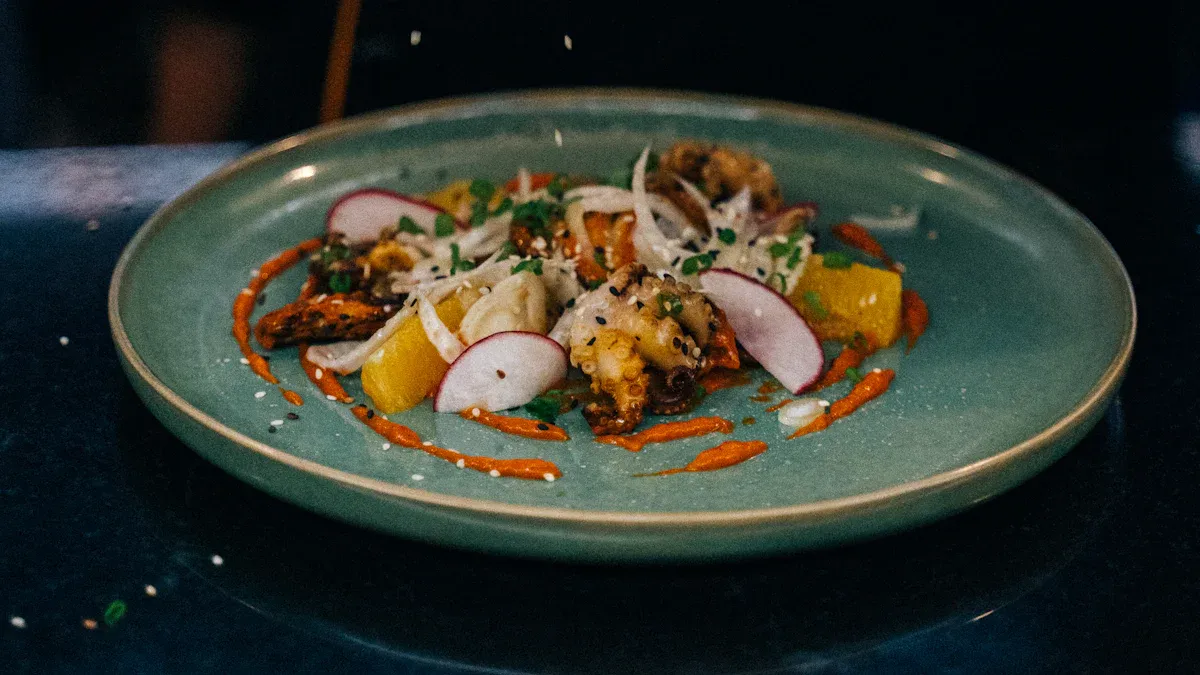
Mastering heat, timing, and texture in cooking significantly enhances your culinary skills. These elements can transform a simple recipe into an extraordinary dish. For instance, professional chefs rank these factors as essential for creating high-quality meals. The right texture can elevate your dining experience just as much as flavor. Different cooking methods affect texture; high heat for short durations helps preserve the firmness of fruits. By paying attention to how you apply heat in cooking, you can achieve remarkable results in your dishes.
Key Takeaways
Mastering heat, timing, and texture can elevate your cooking skills and enhance your dishes.
Different cooking methods affect texture; choose wisely to create memorable meals.
Use a meat thermometer to ensure food safety and achieve the perfect doneness.
Control moisture levels to achieve the desired texture in your dishes.
Experiment with low and slow cooking to transform tough cuts of meat into tender delights.
Heat in Cooking
Types of Cooking Heat
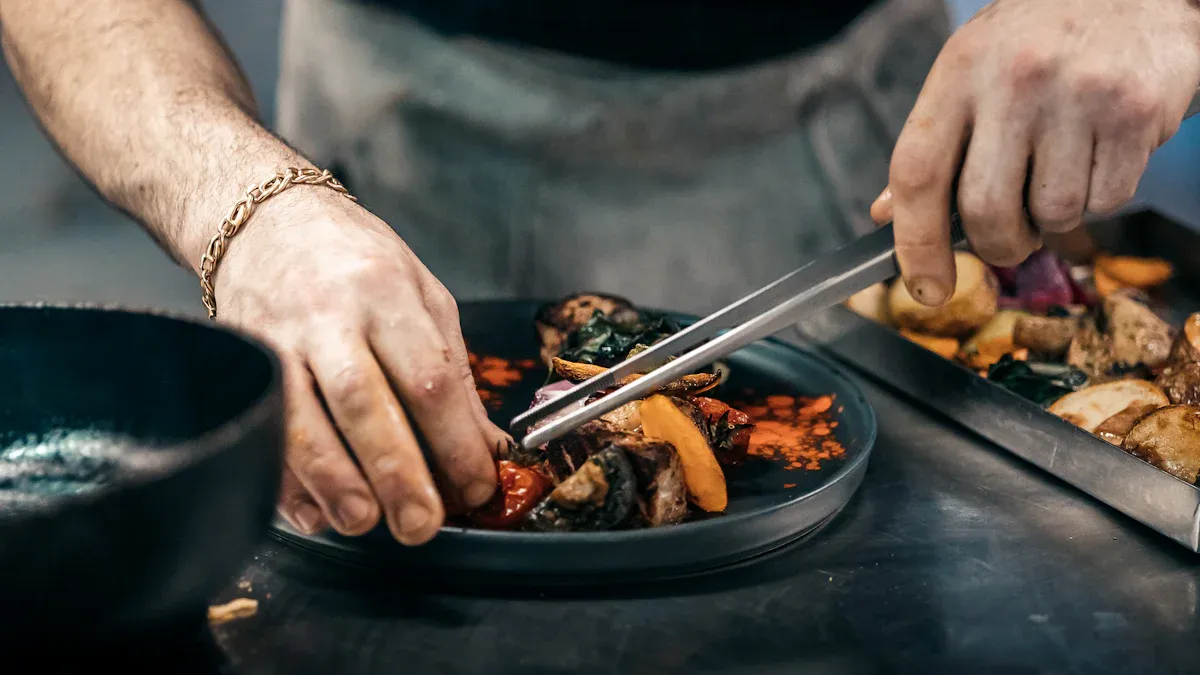
Understanding the different types of heat in cooking is essential for achieving the desired results in your dishes. Each type of heat affects food at the molecular level, influencing texture and flavor. Here’s a breakdown of the main types of cooking heat:
Type of Heat | Description | Molecular Effect |
|---|---|---|
Conduction | Direct contact with a hot surface (e.g., searing in a pan) | Causes proteins to denature and coagulate, firming up food like eggs and meat. |
Convection | Heat transfer through air or liquid (e.g., ovens, boiling water) | Even cooking as heat circulates, affecting moisture retention and texture. |
Radiation | Heat transfer through electromagnetic waves (e.g., grilling or broiling) | Directly impacts surface browning and flavor development through reactions like caramelization. |
Protein Denaturation | Proteins unravel and form new bonds when heated | Essential for texture changes in foods like eggs and meat, influencing firmness and moisture content. |
Starch Gelatinization | Starches absorb moisture and swell when heated with water | Critical for structure in baked goods and sauces, affecting consistency and appearance. |
Fat Melting | Fats soften and melt at different temperatures | Influences texture in pastries and cakes, affecting flakiness and smoothness. |
Sugar Caramelization | Sugar breaks down and re-forms into complex compounds when heated | Adds richness and color to foods, enhancing flavor and visual appeal. |
Water Evaporation | Water evaporates at 100°C, causing structural shifts in foods | Impacts rise in baking and browning in roasting, crucial for achieving desired textures and finishes. |
Heat and Flavor Development
Heat plays a crucial role in developing flavor in your cooking. The Maillard reaction, for example, occurs at temperatures exceeding 300 degrees Fahrenheit. This reaction happens between amino acids and reducing sugars, creating new flavor compounds. When you sear meat or grill vegetables, you unlock a range of complex flavors that enhance your dish.
Cooking methods that allow for high temperatures, such as grilling or searing, produce a rich brown crust. This crust not only adds visual appeal but also contributes to the overall flavor profile of the food. In contrast, lower temperatures can still develop flavor over longer cooking times, demonstrating the balance of time and temperature in flavor creation.
Different cooking techniques yield distinct flavor profiles. For instance, grilling directly over coals produces a different flavor compared to roasting with indirect heat. This variation showcases how the effectiveness of the Maillard reaction changes with cooking methods.
To avoid common mistakes, remember to preheat your pans and choose the right cooking oils based on their smoke points. These practices help you manage heat effectively and achieve better results in your cooking.
Timing and Temperature
Cooking Times for Meat
Cooking times for meat vary based on the type and cut. Understanding these times helps you achieve the desired doneness and ensures food safety. Here’s a table that outlines the recommended internal cooking temperatures for different types of meat according to food safety guidelines:
Food Type | Internal Temperature (°F) | Rest Time |
|---|---|---|
Beef, bison, veal, goat, and lamb (steaks, roasts, chops) | 145°F | 3 minutes |
Ground meat and sausage | 160°F | N/A |
Chicken, turkey, and other poultry | 165°F | N/A |
Pork (steaks, roasts, chops) | 145°F | 3 minutes |
Seafood (fish) | 145°F | N/A |
Casseroles (meat and meatless) | 165°F | N/A |
Leftovers | 165°F | N/A |
Cooking meat to the correct internal temperature ensures it is safe to eat. For example, beef should reach at least 145°F, while chicken needs to hit 165°F. Always let meat rest after cooking. This allows juices to redistribute, enhancing flavor and tenderness.
Techniques for Perfect Timing
Timing plays a crucial role in cooking, especially for delicate ingredients like fish and eggs. Here are some effective techniques to achieve precise timing:
Poaching: This gentle cooking method keeps food submerged in liquid at temperatures between 160°F and 180°F (71°C-82°C). It is ideal for cooking delicate ingredients without compromising their structure. The ideal poaching temperature is indicated by tiny bubbles at the bottom of the pan, with the surface remaining still.
Searing: Quickly browning the surface of meat at high temperatures locks in juices and enhances flavor. Aim for a cooking time of 2-3 minutes per side for tender cuts of meat.
Baking: The relationship between time and temperature is critical in baking. For instance, excessive baking temperature can lead to a high crust color and lack of volume. Insufficient temperature may result in a pale crust and poor texture.
To ensure perfect timing, consider these steps:
Use a meat thermometer to check the internal temperature.
Set timers for each cooking stage to avoid overcooking.
Familiarize yourself with average cooking times for popular cuts of meat. For example, a tenderloin roasts at 425°F for 20 to 27 minutes.
By mastering timing and temperature, you can elevate your cooking skills and create delicious meals every time.
Texture in Cooking
Cooking Methods and Texture
Different cooking methods significantly affect the texture of food. Each technique brings out unique qualities in ingredients. Here are some common methods and their effects on texture:
Cooking Method | Effect on Texture | Nutritional Impact |
|---|---|---|
Frying | Creates a crispy exterior while softening the inside | Loss of vitamin C |
Roasting | Develops a caramelized crust, enhancing flavor and texture | Changes in flavonoids and saturated fatty acids |
Steaming | Maintains a tender texture and preserves nutrients | Better than boiling for nutrient retention |
When you fry vegetables, you create a crispy texture that contrasts with their soft interior. Roasting brings out natural sweetness and creates a delightful crunch. Steaming, on the other hand, keeps vegetables tender and vibrant. Chefs often use advanced techniques like sous vide, which involves sealing food in vacuum bags and cooking it in a water bath. This method ensures precise temperature control, resulting in perfectly cooked proteins and vegetables with a desirable texture.
The Impact of Moisture on Texture
Moisture plays a crucial role in determining the final texture of your dishes. For example, when baking bread, the moisture content affects the crust’s crispness. A high humidity level can soften the crust, while low humidity helps maintain its crunch.
Here are some key points about moisture’s impact on texture:
Proper moisture levels enhance the texture of grains and legumes, preventing them from becoming too sticky.
Cooking methods like steaming preserve moisture, resulting in a tender texture.
Excess moisture can lead to undesirable textures, such as sogginess in baked goods.
Controlling moisture during cooking is essential for achieving the right balance. For instance, when you cook rice, the amount of water you use directly influences its texture. Too much water can make it mushy, while too little can leave it dry and hard.
By understanding how cooking methods and moisture levels affect texture, you can create dishes that are not only flavorful but also have the perfect mouthfeel.
Low and Slow Cooking Techniques
Understanding Slow Cooking
Low and slow cooking is a method that transforms tough cuts of meat into tender, flavorful dishes. This technique allows you to cook food at lower temperatures for extended periods. As a result, you achieve several benefits:
Slow cooking makes economical cuts that are often overlooked become succulent and satisfying.
It transforms tougher cuts of meat, such as brisket, into tender and flavorful dishes.
The long cooking time allows flavors to blend and intensify, creating rich, well-rounded results.
Slow cooking helps retain water-soluble vitamins, particularly B-group vitamins essential for energy production and immune function.
The gentle, prolonged cooking process breaks down tough collagen, turning it into gelatin, which contributes to the meat’s tenderness.
Best Practices for Low and Slow
To maximize the benefits of low and slow cooking, follow these best practices:
Temperature Control: Maintain temperature control to avoid the danger zone (40°F to 140°F) where bacteria thrive. Cook foods for no more than four hours in this zone.
Cooling: Cool cooked foods from 140°F to 70°F within two hours, and from 70°F to 40°F within another two hours.
Stirring: Stir foods every few hours to ensure even heating.
Use a Food Thermometer: Check internal temperatures to ensure safety. For example, poultry should reach 165°F, while ground meats need to hit 160°F.
Thawing: Ensure meat is fully thawed before cooking. This helps achieve even cooking.
Start High, Then Low: Begin cooking on high for the first hour, then switch to low. This method helps with initial browning and flavor development.
Note: While slow cookers can struggle to develop deep flavors due to their inability to achieve browning, sous vide cooking offers precise temperature control. This method allows for even cooking and enhanced flavor saturation.
Mastering heat, timing, and texture transforms your cooking. Experimenting with these elements can elevate your dishes and enhance your culinary skills. Here are some key takeaways:
Dishes with varied textures are more memorable and enjoyable.
Chefs prioritize texture alongside seasoning and temperature control.
The interplay of temperature and texture adds complexity to your meals.
You can improve your cooking by applying these principles. Share your experiences and discoveries with others. Your journey in the kitchen can inspire fellow cooks to explore the art of cooking.
Remember, practice makes perfect!