Easy meal planning can transform your kitchen experience from chaotic to calm. You can save time, reduce stress, and enjoy delicious meals by planning ahead. Many people struggle with challenges like overlooking family preferences or dealing with busy schedules. By involving your loved ones in meal choices, you can create a fun and enjoyable routine with easy meal planning.
Key Takeaways
Stock your pantry with essential ingredients to save time and reduce stress during meal prep.
Implement theme nights to simplify dinner decisions and encourage family participation in cooking.
Use batch cooking and leftovers creatively to minimize food waste and streamline your weekly meals.
Easy Meal Planning Basics
Stocking Your Pantry
A well-stocked pantry is the backbone of easy meal planning. When you have essential ingredients on hand, you can whip up meals quickly without the stress of last-minute grocery runs. Here are some pantry staples you should consider:
Grains: Quinoa, white rice, barley, farro, brown rice, dried lentils
Canned goods: Black beans, chickpeas, white beans, pinto beans, canned lentils, tomatoes, coconut milk
Oils and vinegar: Olive oil, coconut oil, avocado oil, vegetable oil, red/white wine vinegar, balsamic vinegar
Baking ingredients: Flour, sugar, baking soda, vanilla, oats, butter
Spices: Cumin, paprika, oregano, cinnamon, curry powder, onion powder
Produce: Potatoes, onion, garlic, squash
Miscellaneous: Breadcrumbs, chicken/veg stock, protein powder, nutritional yeast, cornstarch
By stocking your pantry with these items, you can reduce meal preparation time significantly. You won’t have to scramble for ingredients when you’re ready to cook. Instead, you can enjoy the flexibility of creating balanced meals with whatever you have on hand. This approach minimizes the need for last-minute grocery trips, which can be time-consuming and stressful.
Theme Nights for Structure
Theme nights can add fun and structure to your meal planning routine. They help you maintain variety while reducing the mental load of deciding what to cook each night. Here are some popular theme night ideas:
Chili/one pot: A favorite for its simplicity and family appeal.
Sheet pan meal: A trend that simplifies cooking by using one pan for all ingredients.
Casserole: A versatile option that allows for stacking different foods.
Frozen meals: Convenient for busy nights, including favorites like fish sticks and meatballs.
DIY taco or salad bar: Interactive meals where family members can customize their plates.
New recipe: A chance to try something different each week, often involving family.
Leftovers: Efficient use of previous meals, especially on busy nights.
Pasta: A weekly staple that can vary in preparation and ingredients.
Having dedicated themes reduces the number of choices for dinner each night. It fosters family participation as everyone knows what to expect on specific nights. This structure simplifies the planning process, making it easier to decide on meals. Plus, it encourages everyone to get involved in the kitchen, making family dinners more enjoyable.
Theme nights create a structured meal planning system that alleviates the stress of daily dinner decisions. By establishing specific themes for each night, you can enjoy a variety of meals while maintaining a sense of predictability. This approach not only makes planning easier but also encourages everyone to participate in the preparation, making mealtime a family affair.
Menu Planning Strategies
Inventory Management
Managing your pantry inventory is crucial for effective meal planning and prep. When you know what you have, you can avoid unnecessary purchases and reduce food waste. Here are some simple strategies to help you keep track of your pantry items:
Start Simple: Use a basic spreadsheet or a notebook to list your pantry items and their quantities. This method is easy to maintain and can be printed for quick reference.
Update Regularly: Dedicate a few minutes each week to update your inventory. This habit keeps your list accurate and helps you plan meals based on what you already have.
Get the Family Involved: Encourage everyone in your household to participate in maintaining the inventory. This not only makes it easier but also teaches kids about food management.
Using a pantry inventory app can greatly simplify the management of your food items. These apps help you track and organize your pantry, making it easier to prevent food wastage and ensure you always know what you have on hand.
Method | Description |
|---|---|
Simple Spreadsheet | Create a list of pantry items and quantities, update regularly, and print for easy access. |
Tracking App | Use mobile apps to manage inventory, allowing multiple users to access the list, though printing may not be available. |
Good Organization | Divide your pantry into sections to simplify tracking and ensure items are used appropriately. |
Quick Go-To Meals
When life gets busy, having a few quick go-to meals can save you time and stress during weeknight cooking. Here are some nutritious options that you can whip up in no time:
Turkey sausage with veggies and whole wheat penne pasta
Easy sheet pan chicken fajitas
Hearty lentil soup with kale
These meals are not only quick to prepare but also flexible. You can adapt them to fit dietary restrictions or preferences. For example, if a recipe calls for milk, you can substitute it with plant-based milks like almond or soy. Here’s a quick reference table for common ingredient substitutions:
Original Ingredient | Substitute | Notes |
|---|---|---|
Milk | Plant-based milks (almond, soy, oat) | Choose unsweetened varieties for savory dishes. Consider fat content for consistency. |
Butter | Vegan butter, oil | Vegan butter works best for baking; oil substitutes require adjustments in baking techniques. |
Cheese | Vegan cheese shreds, nutritional yeast | Vegan cheese shreds melt differently; nutritional yeast adds a cheesy flavor. |
Eggs (scrambled) | Tofu seasoned with black Himalayan salt and turmeric | The salt adds a sulfuric flavor while turmeric mimics the color. |
Eggs (binding) | Flaxseed meal, chia seed gel, starch-based egg replacers | Mix 1 tbsp. ground flaxseed meal with 2.5 tbsp. water (per egg) to create a gel-like consistency. |
Wheat | Gluten-free flour blends (almond flour, coconut flour, etc.) | Research specific blends for baking vs. thickening needs. Adjustments in recipe ratios might be required. |
Creating a weekly menu can also streamline your meal planning. Here’s a simple process to follow:
Involve family members in cooking to increase their interest in meals.
Plan meals ahead of time, ideally on a designated grocery shopping day.
Prepare lunches in advance, making them easier to manage during the week.
Cook enough for dinner to create leftovers for lunch.
Utilize efficient cooking methods and appliances like a Crock-Pot or pressure cooker to save time.
Portion out snacks and produce for easy access throughout the week.
By incorporating these strategies, you can enjoy flexible meal planning that fits your family’s needs while making weeknight cooking a breeze.
Meal Prep Techniques
Batch Cooking Basics
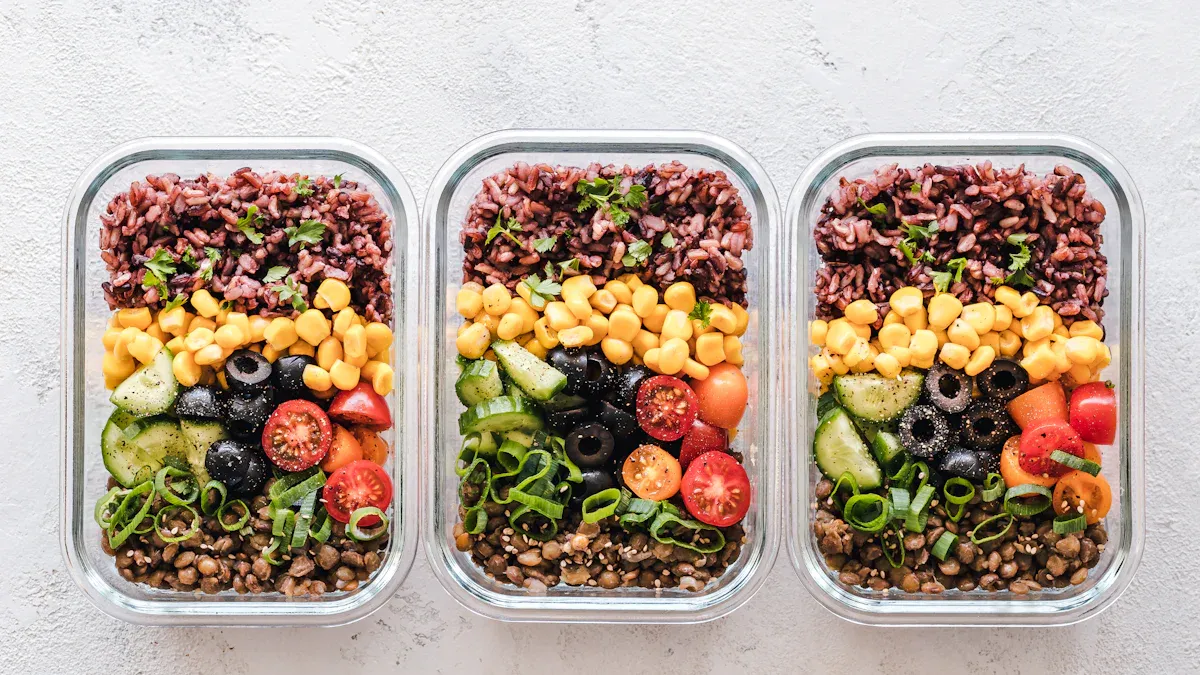
Batch cooking is a game-changer for your meal planning and prep. It saves you time and helps you stick to your health goals. Start by cleaning as you go to keep your workspace manageable. Before you begin, write a brief plan to avoid decision fatigue. Even prepping just one or two components can make a significant difference.
Here’s how to get started:
Choose one challenging meal to prepare first.
Gradually build your meal prep skills as you become more comfortable.
Remember, batch cooking not only saves time but also reduces the mental burden of daily cooking.
You can multitask while cooking, which means you can tackle chores at the same time. This method can cut down your weekly meal prep time significantly.
Leftover Night Ideas
Leftover nights can be a fun way to reduce food waste and make meal planning flexible. Designate a specific night each week for leftovers. Transform various leftovers into a buffet-style meal, making it feel special. Here are some creative ideas to use up those leftovers:
Pulled Pork Tacos: Spice them up with chili powder and lime.
Shredded Chicken Salads: Mix with fresh veggies and your favorite dressing.
Creamy Pasta: Combine with leftover vegetables for a quick meal.
Using leftovers not only minimizes spoilage but also cuts down on the need for new ingredients. This approach creates a positive ritual around food consumption, making it a fun family activity.
By incorporating these meal prep techniques, you can enjoy easy dinners throughout the week while keeping your kitchen routine stress-free.
Meal planning can truly transform your kitchen routine. By focusing on building blocks like proteins, veggies, and sauces, you simplify cooking. Remember to prep ingredients in advance and plan just a few meals each week. This approach not only reduces stress but also supports healthier eating habits. 🍽️
FAQ
What is meal planning?
Meal planning involves deciding what meals to prepare for the week. It helps you save time and reduces stress in the kitchen.
How can I get my family involved in meal planning?
You can ask family members for their favorite meals. Let them help choose recipes and even assist in cooking.
How often should I plan my meals?
Aim to plan your meals weekly. This routine keeps your kitchen organized and makes grocery shopping easier.