An organized kitchen makes cooking easier and more enjoyable. When everything is in its place, you can find what you need quickly. This saves you time and reduces stress during meal prep. Imagine reaching for your favorite spatula without digging through a messy drawer! With proper kitchen organization, you’ll have easy access to all your tools and ingredients, making your cooking experience smoother and more efficient.
Key Takeaways
An organized kitchen saves time and reduces stress during meal prep. Keep tools and ingredients easily accessible for a smoother cooking experience.
Regularly declutter your kitchen to maintain organization. Set aside time to assess items and remove what you no longer need.
Group similar items together for efficiency. Store baking supplies, cooking utensils, and spices in designated areas to find them quickly.
Maximize vertical space with shelves and hooks. Use clear containers for pantry items to improve visibility and keep food fresh.
Establish a cleaning routine to maintain your kitchen’s organization. Daily, weekly, and monthly tasks help keep your space tidy and functional.
Evaluate Kitchen Space
Assess Layout and Flow
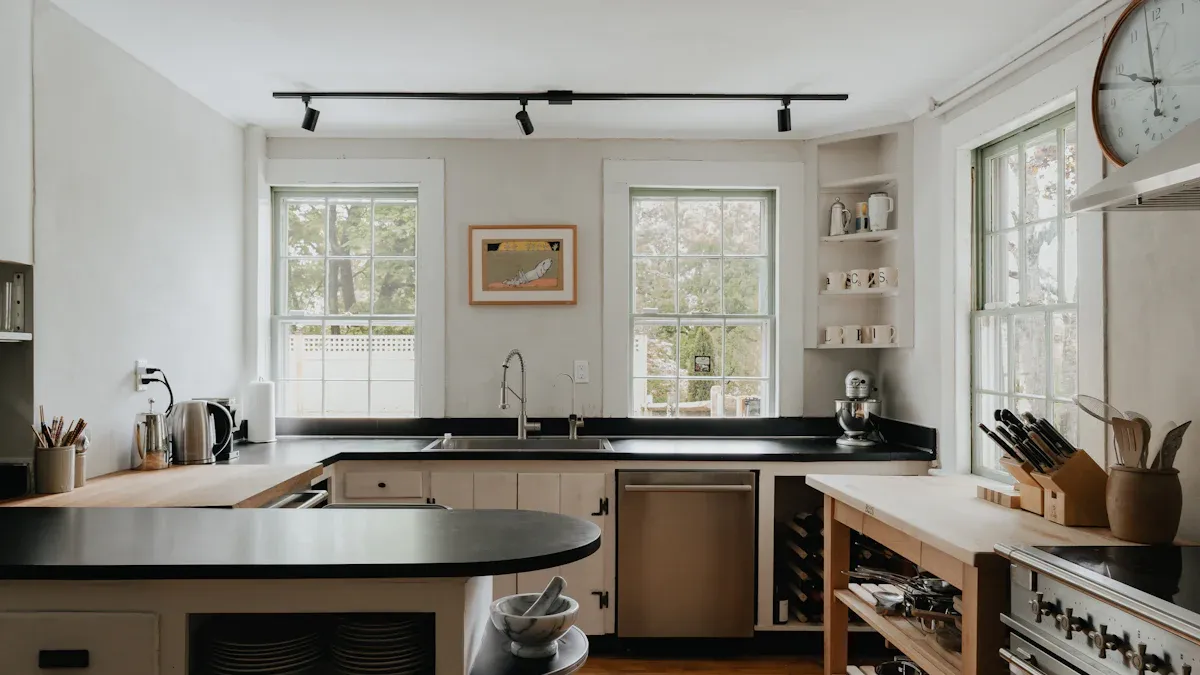
Understanding your kitchen’s layout is crucial for efficient cooking. A well-planned kitchen allows you to move freely and access everything you need without hassle. Here are some tips to help you assess your kitchen’s flow:
Available Space: Consider the physical constraints of your kitchen. This will limit your options but also guide you toward the best layout.
Cooking Habits: Be honest about how you use your kitchen. Do you often cook large meals or prefer quick snacks?
Household Size: Think about how many people use the kitchen. Larger families may need more space and storage.
Entertainment Style: If you host gatherings, ensure your layout accommodates socializing while cooking.
Budget Constraints: Some layouts may require more resources than others, so plan accordingly.
Future Plans: Consider how your kitchen design might affect resale value or family growth.
A smooth workflow is all about how your kitchen elements are placed. The ideal setup connects your sink, stove, and refrigerator, creating a work triangle that minimizes movement.
Layout Type | Best For | Workflow Benefits |
|---|---|---|
L-Shaped Layout | Open-concept kitchens | Creates an efficient work triangle between sink, stove, and refrigerator. |
U-Shaped Layout | Larger kitchens | Provides plenty of counter space and storage, ideal for multitasking. |
Galley Layout | Small or narrow kitchens | Offers efficient access to all areas with minimal movement. |
Island Layout | Open kitchens with sufficient space | Creates a natural division between cooking and socializing areas. |
One-Wall Layout | Studio apartments or compact kitchens | Maximizes vertical space and keeps everything within reach. |
Identify Problem Areas
Identifying problem areas in your kitchen can help you tackle organization challenges effectively. Here are some common issues:
Clutter on Countertops: Many kitchens suffer from ongoing clutter on flat surfaces. This attracts various items and can make cooking stressful.
Difficulty Managing Pantry Items: Random shapes and changing meal plans can lead to disorganization in your pantry.
Excess Appliances: Large appliances that you rarely use can take up valuable counter space.
Organizing Spices and Condiments: Mismatched containers and lack of organization can make finding what you need a hassle.
Items Without a Designated Home: Clutter often arises when items lack a specific storage place.
By recognizing these problem areas, you can create a plan to address them. Consider using pull-out drawers for deep cabinets or dedicated organizers for spices. With a little effort, you can transform your kitchen into a well-organized space that enhances your cooking experience!
Kitchen Organization Essentials
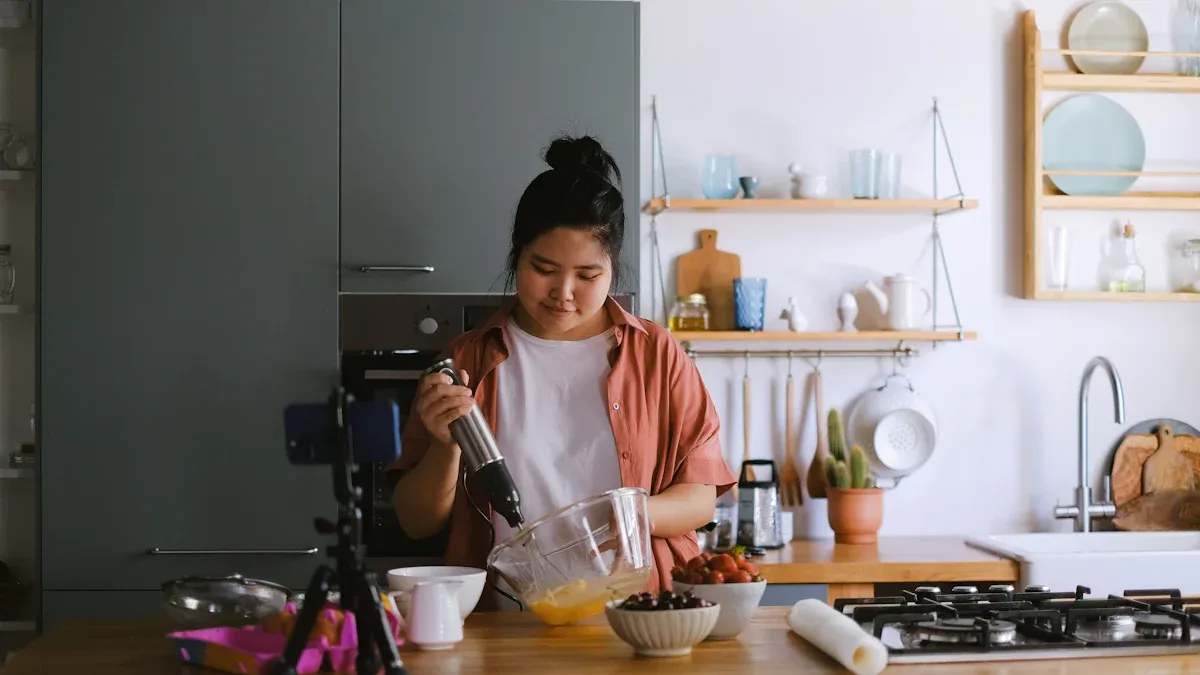
Group Similar Items
Grouping similar items in your kitchen can significantly boost your efficiency. When you keep like items together, you can quickly locate what you need. For example, store all your baking supplies in one cabinet and keep pots and pans in another. This simple strategy saves you time and reduces frustration during cooking. Here are some tips to help you group items effectively:
Cooking Utensils: Keep spatulas, tongs, and ladles in a designated drawer or container. This way, you can grab what you need without searching through a jumble of tools.
Baking Supplies: Store flour, sugar, baking soda, and other essentials together. You might even consider using clear containers for easy visibility.
Spices and Condiments: Organize spices in a rack or drawer. This not only keeps them accessible but also helps you avoid duplicates.
Appliances: Group small appliances like blenders, mixers, and food processors in one area. This makes it easier to pull them out when needed.
By organizing your kitchen this way, you create a more functional space that enhances your cooking experience.
Declutter Regularly
Decluttering is essential for maintaining a well-organized kitchen. Over time, items accumulate, and it’s easy to lose track of what you have. Regularly weeding out non-essentials keeps your kitchen efficient and enjoyable. Here’s how to approach decluttering:
Create Sorting Categories: Divide items into ‘Keep’, ‘Donate’, and ‘Discard’. This helps you make decisions about what to keep.
Focus on Problematic Zones: Identify areas that tend to get cluttered, like the pantry or countertop. Look for duplicates, expired items, and appliances you rarely use.
Evaluate Emotional Attachment: Ask yourself if each item serves a purpose. If it doesn’t, it might be time to let it go.
Check Expiration Dates: Regularly dispose of expired food items. This not only keeps your kitchen safe but also frees up space.
Be Critical of Specialty Gadgets: Replace single-purpose tools with multi-functional ones. This reduces clutter and maximizes utility.
As a tip, consider decluttering every few months. Having a place for all your items will help you stay organized. It may be a good idea to repeat the decluttering process later on.
By following these steps, you can maintain a kitchen that supports your cooking habits and makes meal prep a breeze!
Tools and Utensils Organization
Drawer and Cabinet Solutions
Organizing your kitchen drawers and cabinets can make a world of difference in your cooking experience. You want to reach for your tools without rummaging through clutter. Here are some effective solutions to keep your utensils and tools in order:
Use Drawer Dividers: These handy organizers help you separate items by category. Keep your spatulas, whisks, and measuring spoons neatly arranged. This way, you won’t waste time searching for what you need.
Implement Pull-Out Shelves: If you have deep cabinets, pull-out shelves can be a game-changer. They allow you to access items at the back without straining. You’ll find everything from pots to mixing bowls with ease.
Stacking Bins: Consider using stacking bins with an open front. This design makes it easy to grab what you need without digging through a pile. You can store wraps and bags in these bins to keep your drawers tidy.
In-Drawer Knife Racks: Instead of cluttering your countertops, store knives in a dedicated in-drawer rack. This not only saves space but also enhances safety by keeping sharp objects out of reach.
Tip: Regularly reassess your organization system. As your cooking habits change, so should your storage solutions.
Maximize Vertical Space
When space is limited, maximizing vertical storage can be a lifesaver. Here are some creative ways to use your kitchen’s height:
Custom Cabinets: Install cabinets that reach the ceiling. Use the top shelves for items you rarely need, like seasonal dishes or special appliances. This keeps your everyday items within easy reach.
Open Shelving: Consider adding open shelves above eye level. These can display your favorite kitchenware while saving space. Plus, they add a decorative touch to your kitchen.
Magnetic Strips and Hooks: Attach magnetic strips or hooks to your backsplash. This is a great way to store utensils like spatulas and whisks. You’ll have them right where you need them while cooking.
Wall-Mounted Knife Storage: Replace cluttered knife drawers with wall-mounted storage. This keeps your knives accessible and adds a stylish element to your kitchen.
By implementing these drawer and cabinet solutions, along with maximizing vertical space, you’ll create an organized kitchen that supports efficient cooking. You’ll find that having everything in its place not only speeds up meal prep but also makes cooking more enjoyable!
Optimize Pantry Storage
Use Clear Containers
Using clear containers for your pantry storage can transform how you manage your food. Here’s why they’re a game-changer:
Visibility: Clear containers let you see what you have at a glance. You won’t have to dig through bags or boxes to find ingredients.
Aesthetic Appeal: They create a tidy pantry that looks organized and inviting. A well-arranged pantry can bring a sense of calm to your cooking space.
Freshness: Vacuum-sealed options keep your food fresh longer. This reduces waste and helps you save money.
By investing in clear food storage containers, you’ll make your pantry not only functional but also visually appealing.
Labeling Strategies
Labeling your pantry items is another essential step in maintaining organization. Here’s how it can help:
Improved Visibility: Labels make it easy to identify what’s available. You won’t waste time searching for items.
Expiration Tracking: They help you keep track of expiration dates. This ensures you use food before it spoils, reducing waste.
Prevent Duplicate Purchases: Clear labels show what you already have, so you won’t accidentally buy duplicates.
To make the most of your labeling strategy, consider these tips:
Place a date label on each item when it enters the pantry.
Use a color system to indicate freshness: red for items to use soon, green for fresh items, and yellow for new stock.
Regularly check your pantry to ensure items are used in the correct order based on their labels.
By following these strategies, you’ll maintain a tidy pantry that supports your cooking habits. You’ll find that organizing your pantry not only makes meal prep easier but also enhances your overall cooking experience!
Maintain Kitchen Organization
Regular Decluttering
Regular decluttering is key to keeping your kitchen organized. It helps reduce stress and anxiety, creating a more pleasant cooking environment. When you declutter, you improve your focus, making it easier to complete tasks in a tidy kitchen. Here are some benefits of regular decluttering:
It boosts your mood and enhances physical health through the activity involved in organizing.
A clean kitchen reduces anxiety, allowing for a calmer cooking and dining experience.
Decluttering energizes you, helping tackle other tasks in the kitchen.
To maintain an organized kitchen, set aside time each week to assess your items. Ask yourself if you really need everything in your prep area. If not, consider donating or discarding items that no longer serve a purpose.
Cleaning Routines
Establishing a cleaning routine is essential for maintaining your kitchen’s organization. A consistent approach helps preserve the system you’ve created. Here’s a breakdown of tasks to keep your kitchen in top shape:
Daily Tasks:
Wash all dishes, either by hand or using a dishwasher.
Clean the sink after each use.
Wipe and sanitize countertops.
Sweep the floor and tidy up stray items.
Weekly Tasks:
Take inventory of leftovers and clean the inside of the microwave.
Disinfect the sink and faucets.
Mop floors and launder dish towels.
Monthly Tasks:
Deep clean the refrigerator and organize the pantry.
Clean under the refrigerator and take stock of dishware.
By following these routines, you’ll ensure easy access to everything you need while cooking. Remember, a well-maintained kitchen not only looks good but also enhances your overall cooking experience!
An organized kitchen brings many benefits that enhance your cooking experience. Here are some key advantages:
Safety: You reduce the risk of accidents, like grease fires or injuries from sharp objects.
More Storage Space: Efficient organization maximizes your storage options.
Easier To Clean: A tidy kitchen cuts down on cleaning time and helps keep pests away.
Saves Time: With everything in its place, you can find items quickly and plan meals easily.
Enjoyment: A well-organized kitchen makes cooking more enjoyable.
A kitchen that is set up for success will help you not only to get meals prepared faster and with less stress, but it will also make cleaning up afterwards easier—and who doesn’t want that?!
So, take these tips to heart and enjoy the process of cooking in your newly organized space! 🍽️
FAQ
What are the best ways to organize kitchen drawers?
Use drawer dividers to separate utensils and tools. Consider pull-out shelves for deep cabinets. Keep frequently used items at the front for easy access.
How often should I declutter my kitchen?
Aim to declutter your kitchen every few months. Regularly assess items to ensure you only keep what you use and need.
What containers work best for pantry storage?
Clear, airtight containers are ideal for pantry storage. They keep food fresh and allow you to see contents easily, reducing waste.
How can I maximize small kitchen space?
Utilize vertical storage with shelves and hooks. Consider multi-functional furniture, like an island with storage, to make the most of your space.
What cleaning routine should I follow for my kitchen?
Establish daily, weekly, and monthly cleaning tasks. Daily tasks include washing dishes and wiping counters. Weekly tasks involve mopping floors and cleaning appliances.