
In case you bake regularly, you’ll want a few rolling pins that do different jobs well. You’ll appreciate a sturdy wood pin for everyday doughs, a non-stick silicone option for sticky batters, and a tapered French pin for delicate pastries. I’ll walk you through five top choices and the key factors to weigh so you can pick the right tools for your kitchen—start with what you use most and build from there.
| Farberware 18″ Classic Wood Rolling Pin | 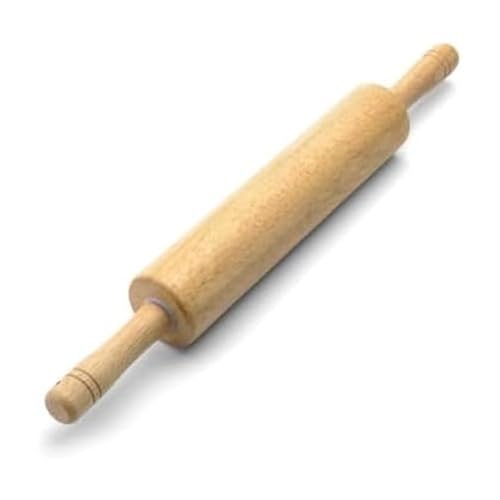 | Best for Durability | Material: Rosewood hardwood | Length: ~17.75–18 inches (17.7 in listed) | Use Cases: Pizza, pies, pastry, cookies, bread, pasta | VIEW LATEST PRICE | Read Our Analysis |
| Silicone Non-Stick Rolling Pin with Wooden Handle |  | Best Non-Stick Pick | Material: Food-grade silicone (rolling surface) + wooden handles | Length: Total length 15.15 inches | Use Cases: Pastry, pizza, fondant, tortillas, bread crusts, cookies, noodles, pasta | VIEW LATEST PRICE | Read Our Analysis |
| Rolling Pin and Pastry Baking Mat Set | 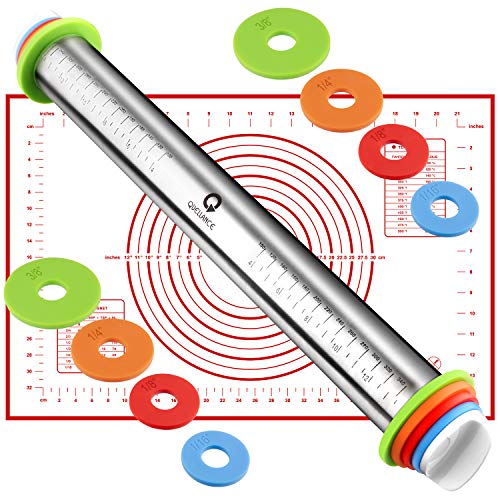 | Best for Precision | Material: 430 stainless steel | Length: 17 inches | Use Cases: Bread, sweets, pizza, biscuits, pie, pastry, pasta, cookies, fondant | VIEW LATEST PRICE | Read Our Analysis |
| French 17″ Tapered Wooden Rolling Pin for Pastry | 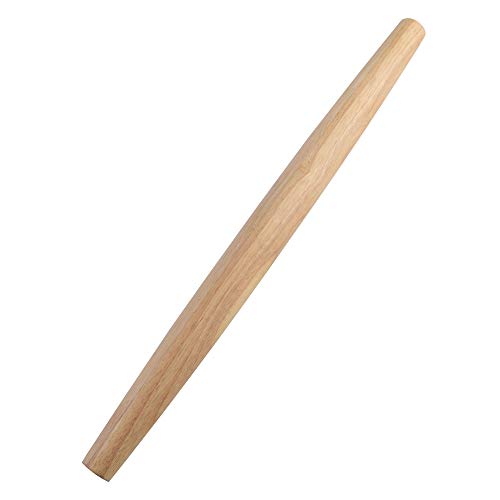 | Best for Control | Material: Solid rubber wood | Length: 17 inches | Use Cases: Pizza, fondant, pie crust, cookie dough, bread, braids | VIEW LATEST PRICE | Read Our Analysis |
| Walnut Wood French Rolling Pin (17-Inch) |  | Best for Style | Material: Solid walnut wood | Length: 17 inches | Use Cases: Pizza, fondant, cookie dough, bread, braids, pastries | VIEW LATEST PRICE | Read Our Analysis |
More Details on Our Top Picks
Farberware 18″ Classic Wood Rolling Pin
Should you want a durable, easy-rolling wooden pin that won’t tire your hands, the Farberware 18″ Classic is a solid choice — its moisture-resistant rosewood barrel and rust-proof nylon bearings deliver smooth, consistent rolling while the ergonomic handles cut down on fatigue during long baking sessions. You’ll appreciate the 17.75–18″ total length with a 10″ barrel and balanced weight that makes pizza, pie, pastry, cookie, bread, and pasta dough effortless. Clean it with a damp cloth, oil occasionally with food-grade mineral oil, and never use the dishwasher. Backed through Lifetime Brands, it’s built for both novices and pros.
- Material:Rosewood hardwood
- Length:~17.75–18 inches (17.7 in listed)
- Use Cases:Pizza, pies, pastry, cookies, bread, pasta
- Cleaning / Care:Wipe with damp cloth; not dishwasher; occasional mineral oil
- Target User:Home bakers and culinary professionals (novice to pro)
- Suitable for Fondant:Yes (listed for pastry/pasta; suitable for fondant implied)
- Additional Feature:Rust-proof nylon bearings
- Additional Feature:Ergonomic handles reduce fatigue
- Additional Feature:Moisture-resistant rosewood
Silicone Non-Stick Rolling Pin with Wooden Handle
In case you bake frequently and want a low-maintenance, versatile tool, this silicone non-stick rolling pin with wooden handles is a smart pick — its food-grade silicone surface prevents dough from sticking while the sturdy wooden grips give you ergonomic control without needing to flip the pin. You’ll use it for pastry, pizza, fondant, tortillas, cookies, pasta and crushing snacks. At 15.15 inches in total with a 7.9-inch rolling zone, it’s light (0.64 lb) and easy to maneuver. Heat-resistant, stain- and odor-resistant silicone cleans easily—hand wash recommended though top-rack dishwasher-safe. NASNAIOLL offers support and a satisfaction guarantee.
- Material:Food-grade silicone (rolling surface) + wooden handles
- Length:Total length 15.15 inches
- Use Cases:Pastry, pizza, fondant, tortillas, bread crusts, cookies, noodles, pasta
- Cleaning / Care:Hand wash recommended; dishwasher top rack okay; dry promptly
- Target User:Home bakers / family kitchen
- Suitable for Fondant:Yes (explicitly lists fondant)
- Additional Feature:Heat-resistant silicone surface
- Additional Feature:Stain and odor resistant
- Additional Feature:Dishwasher-safe (top rack)
Rolling Pin and Pastry Baking Mat Set
Should you want precise, consistent dough every time, this stainless steel rolling pin and pastry mat set is a smart pick—its adjustable thickness rings let you roll to 2, 4, 6, or 10 mm without guessing. You get a 17-inch 430 stainless steel pin with a satin brushed finish that resists rust and damage, lasting longer than aluminum. Four removable rings (1/16, 1/8, 1/4, 3/8 inch) guarantee exact thickness or convert to a straight fondant pin. The included pastry mat has measurements for accurate sizing and cleans easily. It’s versatile for breads, pastries, pizza, cookies, pasta, and teaching bakers.
- Material:430 stainless steel
- Length:17 inches
- Use Cases:Bread, sweets, pizza, biscuits, pie, pastry, pasta, cookies, fondant
- Cleaning / Care:Pastry mat easy to clean (rolling pin material resistant to rust/damage)
- Target User:Professional cooks and beginners / teaching children
- Suitable for Fondant:Yes (explicitly lists fondant; includes mat/rings for precise fondant)
- Additional Feature:Adjustable thickness rings
- Additional Feature:Includes measurement pastry mat
- Additional Feature:430 stainless steel construction
French 17″ Tapered Wooden Rolling Pin for Pastry
Should you bake often and want precise control, the 17″ French tapered wooden rolling pin is your best choice: you’ll appreciate its solid rubber wood build for daily heavy-duty use in home or restaurant kitchens. Its classic tapered profile gives refined appeal while letting you guide dough with fingertip pressure for pies, cookies, bread, pizza, fondant, and braids. The smooth, nonstick surface wipes clean with a damp cloth and pairs well with silicone mats or stone countertops. At 17 inches it stores easily in drawers. Maintain the finish with occasional mineral oil to preserve durability and appearance.
- Material:Solid rubber wood
- Length:17 inches
- Use Cases:Pizza, fondant, pie crust, cookie dough, bread, braids
- Cleaning / Care:Wipe with damp cloth; restore with mineral oil as needed
- Target User:Home and restaurant kitchens (everyday heavy-duty)
- Suitable for Fondant:Yes (listed for fondant)
- Additional Feature:Classic French tapered design
- Additional Feature:Easy drawer storage
- Additional Feature:Smooth, crevice-free finish
Walnut Wood French Rolling Pin (17-Inch)
In case you want a durable, professional-feeling tool that handles everyday use, the 17-inch Walnut Wood French rolling pin is a top pick for home bakers. You’ll get solid walnut construction that stands up to heavy-duty use in homes or restaurants, and its tapered French profile gives you precise control with less effort. The smooth, crevice-free surface works well on silicone mats or stone countertops and prevents dough from sticking. At 17 inches it stores easily, tackles pizza, fondant, cookies, and bread, and cleans with a damp cloth. Refresh the finish occasionally with mineral oil to maintain longevity.
- Material:Solid walnut wood
- Length:17 inches
- Use Cases:Pizza, fondant, cookie dough, bread, braids, pastries
- Cleaning / Care:Wipe with damp/wet cloth; restore finish with mineral oil
- Target User:Home cooks and professional chefs (everyday heavy-duty)
- Suitable for Fondant:Yes (listed for fondant)
- Additional Feature:Solid walnut construction
- Additional Feature:Elegant European aesthetic
- Additional Feature:Tapered for better control
Factors to Consider When Choosing Rolling Pins
While choosing a rolling pin, you’ll want to consider the material and durability, the rolling surface, and the pin’s shape and style. Also consider size and length along with weight and balance to match the tasks you bake most. Together these factors determine how comfortable and effective your rolling pin will be.
Material And Durability
Although your baking style and frequency will guide the best pick, the material of a rolling pin largely determines how long it lasts and how it performs. You’ll find hardwood, stainless steel, silicone, and rubber wood options, each with different longevity and wear resistance. Hardwood—especially rosewood or walnut—resists moisture and stands up to heavy-duty use. Stainless steel won’t rust or dent easily, keeping its look and function over time. Silicone gives you a nonstick, heat-resistant surface that resists stains and odors, ideal for frequent use. Maintain wooden pins with occasional food-grade mineral oil to prevent drying and cracking. Match the material to how you bake and how much care you’ll give it, and you’ll extend the tool’s useful life.
Rolling Surface Type
Picking the right material is only part of the decision; the rolling surface itself shapes how your dough behaves under pressure. You’ll choose between wood, silicone, or stainless steel surfaces, each offering distinct texture and durability. Silicone’s non-stick finish prevents sticking and makes rolling smoother, so you’ll use less flour and get cleaner results with delicate pastries. Wood gives a classic grip and can help control dough, but you’ll need to oil it regularly to maintain smoothness and resist moisture. Stainless steel stays sleek, resists rust and damage, and provides an easy-to-clean option should you want durability without upkeep. Match surface smoothness to the dough: more grip for textured crusts, smoother for laminated or fragile doughs.
Pin Shape And Style
While the material sets the stage, the pin’s shape and style determine how you control the dough—choose based on task. Straight cylindrical pins give uniform thickness and are simple for cookies and basic pastry. Tapered and French-style pins let you pivot and apply uneven pressure, so you can thin centers or shape edges for pies and pasta with finer control. Handle-free pins offer direct tactile feedback and precision; ergonomic handled pins reduce wrist fatigue during long rolling sessions. Match shape to dough: tapered for delicate pastries and pasta, straight for sturdier doughs and flatbreads. Ignore length here; focus on how the profile and presence or absence of handles change your technique and final results. Pick the style that suits your hands and recipes.
Size And Length
Now consider how much dough you usually work with and where you’ll store the pin, because length affects both efficiency and convenience. Rolling pins generally span about 15–18 inches total, with barrels roughly 7.9–10 inches long; that barrel length determines how much dough you can roll in a single pass. Choose a longer pin for pizzas, pies, or bread so you cover more surface quickly; pick a shorter one for precise control with cookies, tarts, or small pastries. Account for handle length—around 3.5–4 inches—since it influences comfort and how the pin sits in your hands. Also match pin length to your storage: a 17-inch pin fits standard drawers, while tapered designs can give better handling without increasing overall size.
Weight And Balance
Because the pin’s weight and how that weight’s distributed determine how easily you’ll roll and control dough, pay close attention to both total heft and balance. Heavier pins do much of the work for you, flattening dough with less wrist pressure, but they can tire you during long sessions. Look for even weight distribution between the barrel and handles so the pin rolls smoothly and doesn’t tilt or dig in. The rolling surface’s length and diameter change how that weight feels: a long, wide barrel spreads mass and steadies large doughs, while a short, narrow pin feels lighter and more maneuverable for petits tasks. Proper balance helps you achieve uniform thickness and avoid tearing, giving better control across pastry, cookie, and bread doughs.
Handle Comforting Design
Once you’re rolling for an hour or more, ergonomic handles make all the difference, cutting hand fatigue and letting you keep steady pressure without readjusting your grip. Choose handles sized for your hands—length and thickness matter so you get a firm, comfortable hold without cramping. Look for designs that let you roll without flipping the pin; they keep motion smooth and speed up repetitive tasks. Balanced weight distribution, including how the handle connects to the barrel, gives you effortless control and consistent contact with the dough. Durable materials like hardwood or nylon bearings reduce drag and stay reliable session after session. Prioritize a grip that feels natural and secure; it’s one of the simplest upgrades that improves every bake.
Maintenance And Care
Once you want your rolling pin to last and perform reliably, plan for simple, regular care: wipe wooden pins with a damp cloth and treat them periodically with food-grade mineral oil, avoid dishwashers and soaking, and rinse-and-dry stainless steel or silicone models promptly after use. You’ll preserve wooden pins through keeping them dry and oiling to prevent cracks. Don’t soak or scrub with abrasives; that ruins finish and warps wood. For silicone, enjoy nonstick, stain- and odor-resistant surfaces that you can hand-wash or place on the dishwasher’s top rack should manufacturer allow. Stainless steel cleans easily, resists rust, and only needs a quick rinse and thorough drying. Consistent, gentle maintenance keeps any pin performing better and lasting longer.
Price And Value
Keeping your pin well-maintained will help it last longer, but you’ll also want to weigh price against the features and materials that determine real value. Whenever you shop, prioritize durable materials—hardwood and stainless steel cost more but usually outlast cheap alternatives. Check ergonomic design: comfortable handles and balanced weight reduce hand fatigue and make long sessions easier, which is worth a higher price in case you bake often. Non-stick surfaces raise cost but save time and frustration through preventing dough from sticking and simplifying cleaning. Adjustable features like removable thickness rings increase versatility, letting you justify extra expense should you need consistent thicknesses. In case you’re tempted by a low price, compare expected lifespan, maintenance needs, and functionality to avoid a false bargain.