Mastering basic cooking methods is essential for every beginner, and this beginner guide will help you get started. Sautéing, boiling, and roasting can elevate your culinary skills and make cooking enjoyable. These techniques offer numerous benefits:
Sautéing enhances flavors and textures in dishes.
Boiling is crucial for soups, stews, and sauces.
Roasting brings out deep, rich flavors with minimal effort.
By practicing these methods, you build a solid foundation in cooking that will serve you well in the kitchen.
Key Takeaways
Sautéing enhances flavors and textures quickly with minimal oil. Use a heavy-bottomed pan for even cooking.
Boiling retains moisture and tenderness in food. Always salt your water to enhance flavor.
Roasting develops rich flavors through caramelization. Ensure vegetables are cut evenly and spaced out for best results.
Practice these methods to build confidence in the kitchen. Each technique offers unique benefits for delicious meals.
Experiment with different oils and seasonings to elevate your dishes. High smoke point oils work best for sautéing.
Sautéing Cooking Method
What is Sautéing?
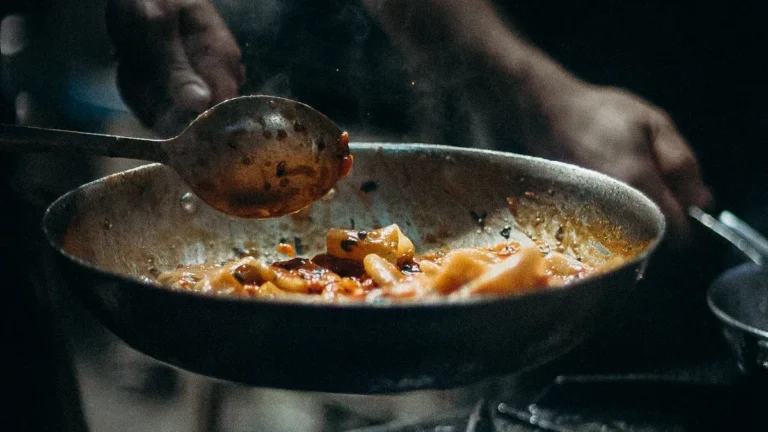
Sautéing is a direct dry-heat cooking method that uses a small amount of oil or fat to cook food quickly over high heat in a shallow pan. This technique relies on conduction, where the heated pan directly contacts the ingredients. As a result, sautéing creates a golden exterior while keeping the interior tender. This method is particularly effective for searing or browning smaller, evenly sized pieces of food, making it ideal for vegetables and proteins alike.
Tools for Sautéing
To sauté effectively, you need the right tools. Here’s a list of essential items:
Skillet or Frying Pan: A wide, shallow pan allows for even heat distribution and prevents overcrowding.
Spatula or Tongs: Use these to toss and turn your ingredients easily.
Heat Source: A stovetop burner provides the necessary heat for sautéing.
Measuring Spoon: For precise amounts of oil or fat.
The material of your skillet can impact cooking results. Here’s a quick overview:
Material | Heat Conductivity | Maintenance | Reactivity to Acidic Foods |
|---|---|---|---|
Stainless Steel | Quick, patchy | Moderate | Non-reactive |
Aluminum | Quick, patchy | Low | Non-reactive |
Copper | Excellent | High | Reactive |
Cast Iron | Excellent | High | Reactive |
Steps for Sautéing
Follow these steps to sauté vegetables or proteins effectively:
Preheat your skillet: Place your pan over medium-high heat and let it get hot for a minute or two until you can feel the heat when you hover your hand above it.
Add your oil or butter: Pour in just enough to lightly coat the bottom. Swirl it around — it should shimmer, not smoke.
Add your ingredients: Start with the items that take the longest to cook, like onions or chicken. Save quick-cooking items like garlic or spinach for the end.
Spread everything out: Give it space so it browns instead of steaming. A larger skillet helps here.
Let it sit: The hardest part is not stirring constantly. Allow the bottom to get golden before flipping or tossing.
Season well: Salt early to draw out moisture and create browning. Add finishing seasonings at the end for maximum flavor.
Finish with butter or herbs: Adding a pat of butter or a sprinkle of fresh herbs right before serving enhances the flavor.
Tips for Sautéing Success
To achieve optimal texture and flavor when sautéing, consider these tips:
Use a heavy-bottomed pan for even heat distribution.
Choose a high smoke point oil like grapeseed or avocado oil to avoid burning.
Avoid overcrowding the pan to ensure even cooking.
Season food at the beginning and throughout the cooking process for optimal flavor.
Add garlic towards the end of cooking to prevent burning and enhance flavor.
Common Sautéing Mistakes
Even experienced cooks can make mistakes while sautéing. Here are some common pitfalls and how to avoid them:
Mistake | Explanation |
|---|---|
Using too much oil | Can lead to greasy food; only a small amount is needed. |
Overcrowding the pan | Traps steam and prevents proper browning of food. |
Cooking food damp | Moisture causes splattering and prevents browning; always pat dry. |
Reheating oil | Can break down oil and affect flavor; use fresh oil. |
Not considering oil health | Unhealthy oils can impact nutrition; choose better options. |
By avoiding these mistakes, you can master the sautéing cooking method and create delicious meals with rich flavors and appealing textures.
Boiling Cooking Method
What is Boiling?
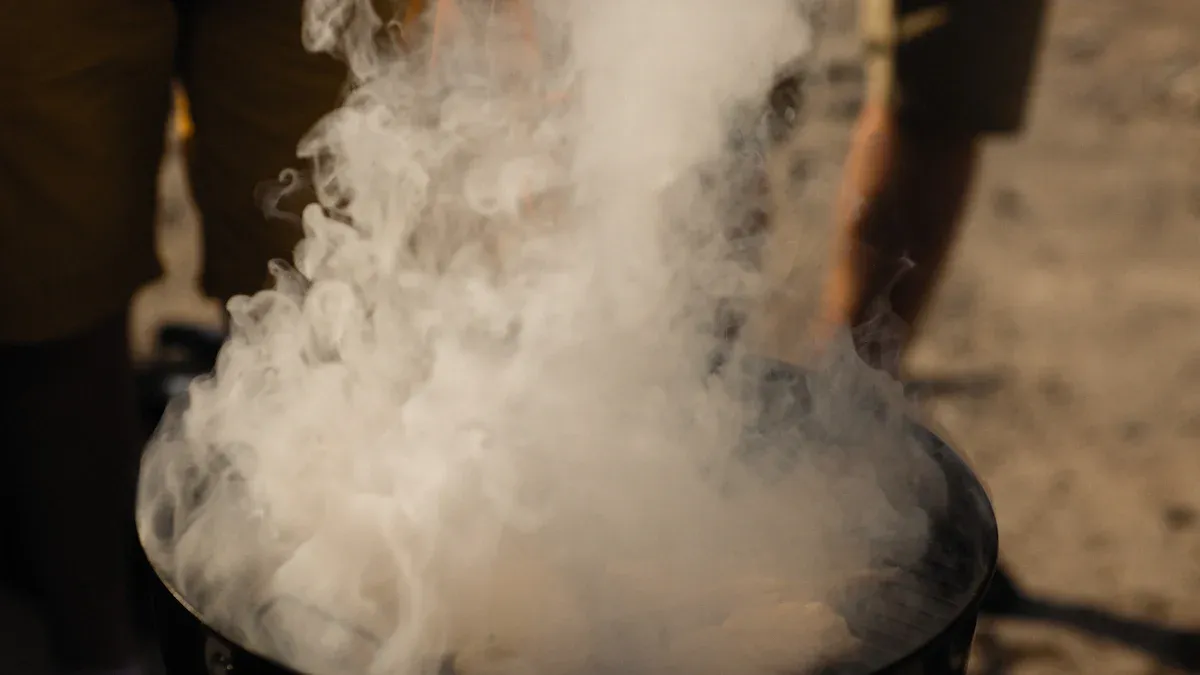
Boiling is a cooking method that uses moist heat to cook food at a high temperature of 212 degrees Fahrenheit (100 degrees Celsius). This technique fully submerges food in water or a water-based liquid, ensuring even heat distribution. Boiling enhances the texture of starchy foods and tougher proteins, making them more enjoyable to eat. You can use boiling to prepare a variety of foods, including pasta, vegetables, eggs, and meats.
Tools for Boiling
To boil effectively, you need the right tools. Here’s a table of essential boiling equipment and their applications:
Type of Boiling Equipment | Applications | Benefits |
|---|---|---|
Steam Boilers | Steaming vegetables, cooking pasta, providing heat for other processes | High heat output, suitable for commercial kitchens |
Boiling Vessels (Kettles) | Boiling soups, sauces, and other liquid-based products | Precision temperature control for consistent results |
Stock Pot Stoves | Boiling large batches of stocks, broths, or pasta | Heavy-duty design for high-volume operations |
Vacuum Boiling Equipment | Cooking fruits, vegetables, and sensitive ingredients | Preserves flavors and nutrients by lowering boiling point |
Continuous Boiling Systems | Boiling and processing liquids in an uninterrupted flow | Advanced controls for precise temperature and flow management |
Induction Cookers | Boiling or simmering with rapid temperature adjustments | Energy-efficient and precise heating without traditional burners |
Steps for Boiling
Follow these steps to boil pasta, vegetables, or eggs perfectly:
Boil Water: Bring a large stockpot of heavily salted water to a rolling boil. Use 1 tablespoon of salt per 1 gallon of water per 1 pound of pasta. Avoid adding oil to the water!
Cook Pasta: Add pasta to the boiling water, stir, and begin measuring your cooking time. Cook pasta for half of the time indicated on the package.
Drain Pasta & Store Cooking Water: Drain the pasta while saving about 1 cup of cooking water. If using a pot with a perforated insert, pull out the insert and scoop some of the remaining water. If you don’t have an insert, use a mug to scoop out the pasta cooking water before draining.
Prep and Store Pasta: Drizzle the pasta with a little olive oil, about 1 to 2 teaspoons per pound. Toss to coat and spread the pasta in a single layer on a sheet pan to cool.
Reheat: If possible, start with a pasta sauce that’s a bit runny. Add sauce to a wide, high-sided pan set over medium heat. Once hot, add pasta and some reserved cooking water.
Tips for Boiling Success
To maintain flavor and nutrients during boiling, consider these tips:
Wash vegetables gently under lukewarm water.
Cut vegetables into smaller, evenly-sized pieces to reduce cooking time and nutrient loss.
Bring water to a boil before adding vegetables to minimize cooking time.
Use minimal water for non-green vegetables to reduce nutrient loss.
Add a small amount of salt to enhance flavor and raise the boiling point of water.
Common Boiling Mistakes
Avoid these common mistakes to ensure successful boiling:
Mistake | Consequence |
|---|---|
Using low-quality kettles | Can leach chemicals into water, affecting health. |
Pouring too much water | Can cause overflow and damage the kettle. |
Turning on the kettle without water | Can damage the kettle and create a fire hazard. |
Pouring out all the water after boiling | Can dry out the thermal relay, reducing kettle lifespan. |
Rarely cleaning the kettle | Leads to buildup of yellow scales, affecting water quality and health. |
Not descaling regularly | Can cause mineral deposits to affect kettle performance. |
By mastering the boiling cooking method, you can create perfect hard-boiled eggs, tender vegetables, and delicious pasta dishes. This technique is quick and effective, making it a staple in your cooking repertoire.
Roasting Cooking Method
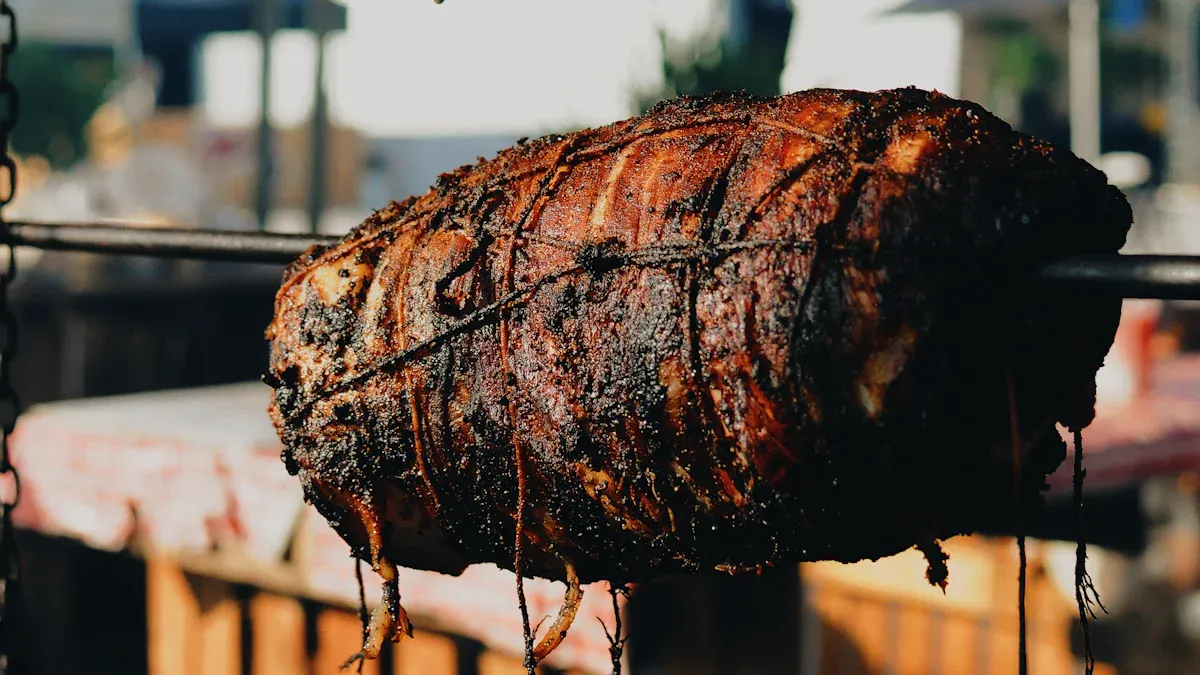
What is Roasting?
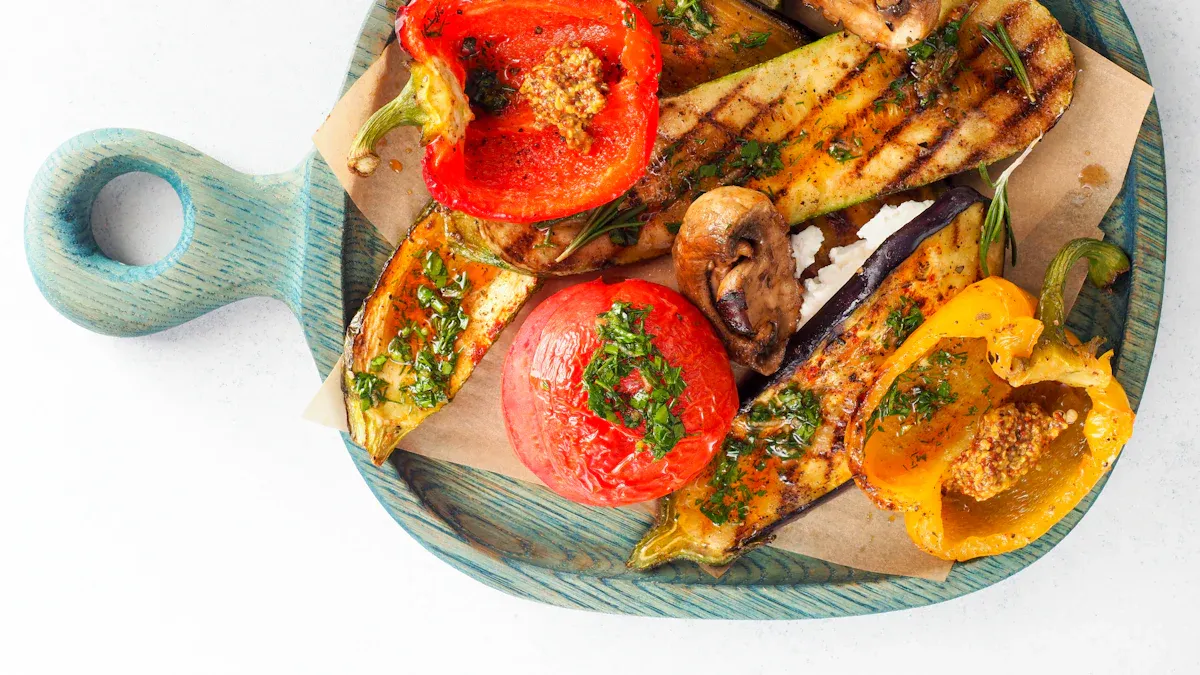
Roasting is a cooking method that uses dry heat to cook food evenly on all sides. You typically roast food in an oven at temperatures of at least 300 °F. This method enhances flavor through caramelization and Maillard browning, which creates a delicious crust on meats and vegetables. Roasting works best for foods like:
Meats, especially red meat
Root vegetables, such as carrots and potatoes
Bulb vegetables, like onions and garlic
Tools for Roasting
To achieve the best results when roasting, you need the right tools. Here are some essential items:
Roasting Pan: A sturdy pan with tall sides helps contain splatters. Many roasting pans come with a rack that elevates the food, allowing heat to circulate evenly.
Oven Mitts: Protect your hands when handling hot pans.
Meat Thermometer: This tool ensures your meat reaches the correct internal temperature, preventing undercooking or overcooking.
Basting Brush: Use this to apply marinades or oils to your food for added flavor.
Choosing the right roasting pan influences your cooking outcomes. For example, stainless steel pans are durable and great for searing, while nonstick options make cleanup easier.
Steps for Roasting
Follow these steps to roast meats and vegetables perfectly:
Preheat your oven to 400°F (200°C).
Toss your vegetables with olive oil, salt, and pepper in a bowl. Set aside any ingredients that require a later addition, like red onions.
Spread the vegetables on a large roasting tray. Roast for 30 minutes.
After 30 minutes, add the reserved ingredients, like red onions, and give everything a quick toss.
Continue roasting for another 60 minutes, tossing halfway through to ensure even cooking.
Once done, sprinkle with fresh herbs if desired, and serve immediately.
Tips for Roasting Success
To achieve the best results when roasting, keep these tips in mind:
Use a sturdy sheet pan with a rimmed edge to avoid steaming vegetables.
Ensure vegetables have space between them for even cooking and browning.
Check cooking times regularly, especially when roasting different types of food together.
Roast at 400-450 degrees Fahrenheit for optimal browning and crispiness.
Cut all vegetables to a similar size for even cooking.
Lightly coat vegetables in oil to prevent sticking and ensure even browning.
Use a variety of seasonings to enhance flavor.
Common Roasting Mistakes
Avoid these frequent mistakes to ensure successful roasting:
Choosing the wrong pan: A sturdy pan prevents steaming and promotes browning.
Crowding the pan: Leave space between vegetables for even cooking.
Not paying attention to cooking times: Check your food periodically to avoid overcooking.
Choosing the wrong temperature: Stick to 400-450°F for the best results.
Cutting vegetables unevenly: Uniform sizes ensure even cooking.
Skipping the oil: A light coat of oil helps prevent sticking and promotes browning.
Neglecting herbs and spices: Season your food to enhance its flavor.
Roasting not only brings out rich flavors but also retains most vitamins and minerals in lightly roasted vegetables. This method is healthier than frying, especially when you avoid adding excess fats.
Mastering sautéing, boiling, and roasting builds your confidence in the kitchen. Each method offers unique benefits and flavors. Here’s a quick summary:
Sautéing cooks quickly, achieving even browning with minimal oil.
Boiling retains moisture, making food tender and flavorful.
Roasting develops deep flavors through caramelization.
Experiment with these techniques to enhance your cooking skills. You can transform simple ingredients into delicious meals. Remember, practice makes perfect!
Cooking Method | Cooking Time | Flavor Development |
|---|---|---|
Roasting | Slow | Coaxes flavors out of meats and vegetables |
Sautéing | Quick | Achieves even browning with a small amount of oil |
Boiling | Fast | Leaves items tender and moist due to moisture retention |
By practicing these methods, you will gain the skills needed for a variety of dishes, including making homemade pancakes. Enjoy your culinary journey!
FAQ
What is the best oil for sautéing?
Use oils with a high smoke point, like avocado or grapeseed oil. These oils withstand high heat without burning, ensuring your food cooks evenly and retains flavor.
How do I know when water is boiling?
Look for large bubbles rising rapidly to the surface. The water should produce steam and create a rolling boil, indicating it’s ready for cooking.
Can I roast vegetables without oil?
Yes, you can roast vegetables without oil. Use parchment paper to prevent sticking. However, a light coat of oil enhances flavor and promotes browning.
What temperature should I roast meat?
Roast meat at 400-450°F (200-230°C) for optimal browning and flavor. Use a meat thermometer to ensure it reaches the correct internal temperature.
How can I prevent boiling over?
To prevent boiling over, use a larger pot and reduce the heat once the water reaches a rolling boil. You can also place a wooden spoon across the pot’s top to break the bubbles.