Rye bread tastes even better with dried fruit and toasted nuts. The raisins add chew, the cranberries bring a bright tang, and the walnuts give each bite a satisfying crunch. This loaf has a hearty feel with a touch of sweetness. It is simple to make and full of cozy flavor.
What Makes Fruit And Nut Rye Bread Special?
You get a loaf that feels hearty enough for breakfast, yet inviting enough to share with friends over coffee. Each slice brings a sweet flavor that softens rye’s bold edge, while nuts add a satisfying bite and a rustic texture that feels homemade in the best way.
You’ll notice how the fruit lifts the bread with a warm, jammy touch, making every bite taste comforting and bright. This isn’t an ordinary loaf; it’s the kind you proudly set on the table, understanding it brings people together.
As you want something nourishing, familiar, and a little special, this bread delivers.
Key Ingredients for Fruit And Nut Rye Bread
You start with a hearty rye flour base that gives the loaf its deep, earthy flavor and dense, satisfying crumb. Then you fold in a sweet-tart mix of dried fruits like raisins, cranberries, or cherries for juicy bursts in every slice. Finish with nuts or seeds such as walnuts, pecans, almonds, or pumpkin seeds to add crunch and a rich, toasty tone.
Rye Flour Base
A good fruit and nut rye bread starts with a sturdy rye flour base, because rye brings deep, earthy flavor and a dense, tender crumb that holds up beautifully to sweet dried fruit and crunchy nuts. You can shape that balance by watching rye flour ratios and keeping rye flour hydration generous, since rye absorbs water fast and rewards a soft, slightly sticky dough.
- You’ll feel the warmth of a loaf that tastes honest and homey.
- You’ll love the rustic aroma rising from your oven.
- You’ll share slices that feel welcoming at any table.
- You’ll enjoy a bread that makes everyday moments feel special.
Choose dark or medium rye for fuller flavor, and let the dough rest so it turns smooth, supple, and ready to bake.
Dried Fruit Mix-ins
Dried fruit brings the rye loaf to life, adding bursts of sweetness, chew, and jewel-toned color against the bread’s earthy base.
You can choose fruit varieties that suit your table, from raisins and cranberries to cherries, apricots, figs, and dates. Each one gives your loaf its own voice: tart, floral, honeyed, or deep and jammy.
For even better texture, use soaking methods that wake the fruit up before mixing. A quick bath in warm water softens firmer pieces, while a splash of brandy adds warmth and a subtle festive remark. Drain well so the dough stays balanced, then fold the fruit in gently for even bites throughout.
Upon you slice the loaf, you’ll get a cozy, welcoming crumb that feels made for sharing.
Nuts And Seeds
- You get a cozy, bakery-style aroma.
- You share a loaf that feels generous.
- You enjoy crunchy toppings on every bite.
- You bring people together around the table.
Toast the nuts first for a fuller flavor, then chop them coarsely so each bite feels rustic and welcoming.
How to Make Fruit And Nut Rye Bread
You’ll mix the rye flour, fruit, nuts, and starter into a sticky dough, then let it rest until it feels soft and lively. Next, you’ll shape it into a tidy loaf or rope, tucking in the fruit and nuts so every slice bakes up rich and textured. Finally, you’ll bake it until the crust turns deep brown and fragrant, filling your kitchen with warm, nutty sweetness.
Mixing Dough
To mix fruit and nut rye bread, start with combining the rye flour with your starter or other leavening, then add the liquid ingredients until you get a sticky, paste-like dough. You’ll notice the ingredient hydration quickly, and that’s what gives the dough texture its dense, tender feel. Stir in the dried fruit and chopped nuts so every bite feels warm and welcoming.
If the dough seems dry, add a splash more water; rye drinks it up fast. Mix until no dry pockets remain, then rest it briefly so the flavors can settle together.
- You’re building comfort.
- You’re making something shared.
- You’re inviting sweet, nutty aroma.
- You’re creating a loaf that feels like home.
Shaping And Baking
Once your dough has rested, turn it onto a lightly floured surface and shape it into a neat loaf or a rounded boule, tucking the edges under to build tension. Provided the dough feels sticky, dust your hands lightly and keep moving with confidence. Set it seam-side down in a lined basket or on a tray, then cover it and let it proof until puffy.
Once you’re ready, score the top with a sharp blade so the loaf can open beautifully in the oven. Bake in a preheated Dutch oven or on a hot stone until the crust turns deep brown and crackly.
That burst of oven spring gives you a tall, tender crumb, while the crust finish turns rustic and inviting, perfect for sharing warm slices with your table.
How to Shape and Proof the Loaf
After the dough has rested, turn it onto a lightly floured surface and shape it gently into a tight loaf or a long bâtard, keeping the fruit and nuts evenly tucked inside. Cup your hands around it, using short motions to build surface tension without squeezing out the lovely bits. If you’re using a basket, compare basket lining options so the loaf releases cleanly and holds its shape.
Set it seam-side up, cover it, and let it proof until it looks puffy, relaxed, and ready. Watch for oven spring cues: a slight doming, soft bounce, and a loaf that springs back slowly when touched.
- You’ll feel proud watching it rise.
- The aroma’ll make your kitchen feel warm.
- Each minute brings you closer to sharing.
- Your loaf belongs at the table.
How to Bake Rye Bread for the Best Texture
As your loaf has proofed and feels light under a gentle touch, slide it into a fully heated oven so the crust sets fast and the crumb stays tender. If you use a Dutch oven, keep the lid on at first to trap steam and encourage strong oven spring. That burst lifts the loaf and helps the rye stay open instead of dense.
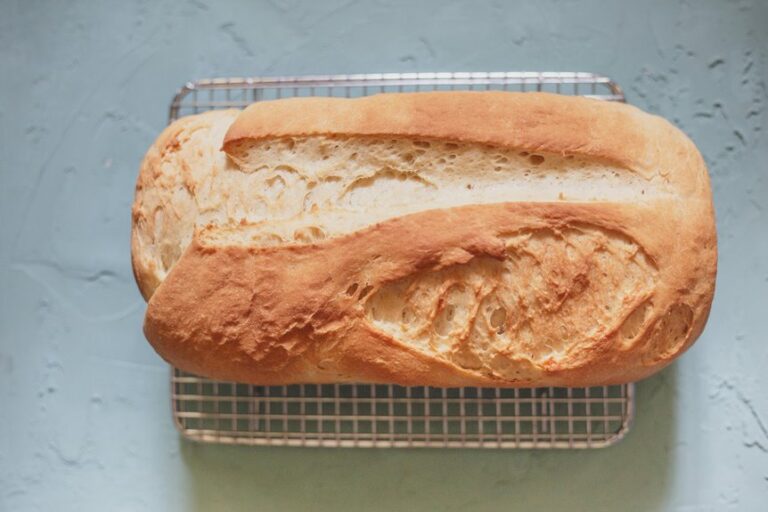
After the first stage, uncover it so the crust turns deep brown and crisp. Bake until the loaf sounds hollow and the center feels set. Let it cool fully on a rack; this resting time keeps crumb moisture balanced and lets the slices turn clean and fragrant.
When you cut in, you’ll meet a shared table of warm spice, gentle sweetness, and satisfying chew.
How to Choose the Best Dried Fruit
For the best fruit and nut rye bread, choose dried fruit that feels plump, supple, and fragrant, because it will bake into soft, sweet pockets instead of turning leathery in the loaf. Whenever you’re choosing dried fruit, look for rich color, a clean surface, and fruit quality you can trust. Avoid pieces that seem dusty, rock-hard, or sticky with syrup, since they can taste flat or clump together. Seek raisins, cranberries, cherries, apricots, or dates that still smell bright and fruity.
- Your kitchen fills with cozy sweetness.
- Each slice feels welcoming and nourishing.
- The crumb bursts with jewel-like color.
- You share a loaf that feels homemade and loved.
The Best Nuts for Rye Bread
Once you’ve picked fragrant dried fruit, the nuts you add will shape the bread’s flavor and crunch.
For rye, walnuts give you a deep, earthy bite that feels right at home. Pecans bring buttery sweetness, while almonds add a clean, toasted snap. Should you want richer texture, choose hazelnuts for a warm, almost caramel note.
You can mix two or three nuts to create the best nut pairings, but keep the nut flavor balance steady so the rye still leads. Start with chopped pieces for even distribution, or use a few larger chunks for bold pockets of crunch.
Whenever you choose nuts that taste familiar and inviting, your loaf feels welcoming, hearty, and made for sharing.
Serving Ideas for Fruit And Nut Rye Bread
Warm slices of fruit and nut rye bread shine with a little butter, tangy cream cheese, or a thin spread of honey, which lets the rye’s earthy depth and the fruit’s sweetness come forward.
You can also enjoy serving slices with cheese, especially sharp cheddar, brie, or blue for a cozy snack board.
For lunch, try pairing toasted wedges with soups, where the crisp edges soak up tomato, squash, or onion broth.
- Share it at brunch and watch smiles grow.
- Serve it beside olives for a rustic feel.
- Add sliced pears for a bright, tender bite.
- Offer it warm, and people lean in closer.
Storage Tips to Keep It Fresh
To keep your fruit and nut rye bread fresh, let it cool completely before you wrap it, so trapped steam doesn’t soften the crust.
Then use wrapping for freshness: tuck the loaf in beeswax wrap or foil, and slip it into a sealed bag to protect its sweet, nutty aroma.
Keep it at room temperature for two to three days when you plan to enjoy it soon, away from sun and heat.
For longer storage, try freezing sliced loaf pieces so you can grab just what you need.
Layer parchment between slices, freeze them flat, and thaw at room temperature or toast straight from the freezer.
That way, every slice stays tender, fragrant, and ready to share.
Frequently Asked Questions
Can I Use Whole Wheat Flour Instead of Rye Flour?
Yes, you can replace rye flour with whole wheat flour, but the loaf will turn out heavier and less tangy. It will have a firmer texture, and you may need a little more water to keep the crumb soft and hearty.
How Do I Prevent Fruit From Burning on Top?
Tuck the fruit slightly beneath the dough’s surface, since most top scorching happens on exposed pieces. Cover with foil if needed, and check the fruit arrangement before baking for a glossy, tender finish.
Can I Make This Loaf Without a Sourdough Starter?
Yes, you can use commercial yeast instead and still get a fast rise. Mix the dough, let it proof in a warm spot, then bake a soft, aromatic loaf with juicy fruit and nutty crunch.
What Is the Best Way to Toast Nuts Before Adding Them?
Use a dry skillet for small amounts or the oven for bigger batches. Stir the nuts over medium heat until they smell rich and turn deep golden, then let them cool before adding.
How Do I Stop the Dough From Becoming Too Sticky?
Reducing the water a little and mixing with a lighter touch will help keep the dough from turning overly sticky. Around 70 percent hydration is easier to handle, and dusting your hands, letting the dough rest, then folding it instead of kneading will make shaping much simpler.