
Best paper cookie cutters create crisp, repeatable shapes across paper, fondant, and clay for classroom crafts, parties, and seasonal projects.
Durable metal and sturdy food-grade plastic cutters deliver clean edges without bending or tearing delicate materials.
Favor sets with varied sizes and smooth rims for easy cutting and consistent results.
Below are the exact cutter types and materials I recommend for 2026.
| Back-to-School Teacher Appreciation Cookie Cutter Set | 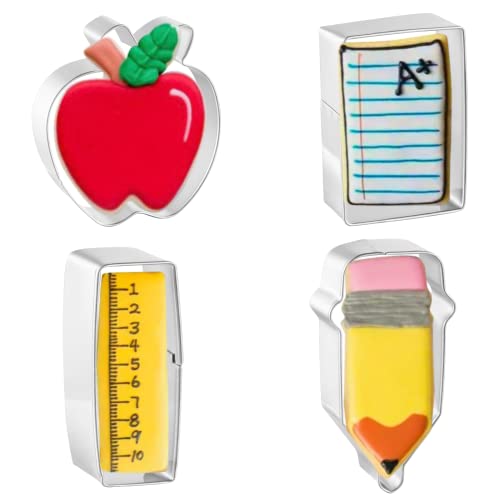 | Best for Educators | Intended Use: Cookie dough, fondant, craft clay (school-themed baking/crafts) | Material Type: Stainless steel | Number of Pieces: 4 pieces | VIEW LATEST PRICE | Read Our Analysis |
| Anatomical Body Parts Cookie Cutter Set (4-Pack) | 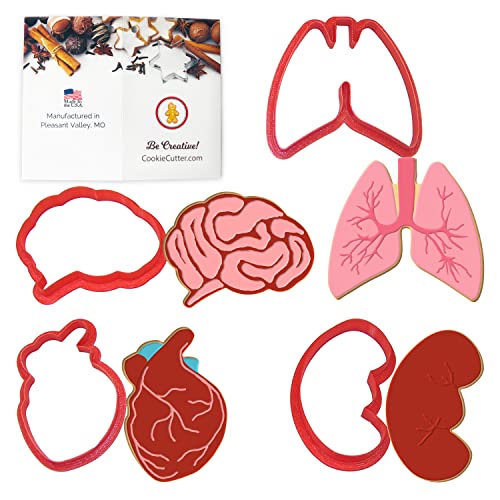 | Most Unique Designs | Intended Use: Cookie dough, fondant, pastries, food shaping, craft clays | Material Type: Food-grade plastic | Number of Pieces: 4 pieces | VIEW LATEST PRICE | Read Our Analysis |
| Ann Clark Cookie Cutters Paper Doll Cookie Cutter 5″ Made in USA |  | Best for Parties | Intended Use: Cookie dough, fondant, biscuits, brownies, craft clay | Material Type: Certified food-safe American steel | Number of Pieces: 1 piece | VIEW LATEST PRICE | Read Our Analysis |
| Origami Crane cookie cutter 1 piece – Bakerlogy |  | Best Detailed Shape | Intended Use: Cookie dough, fondant, craft clay, biscuit dough, sugarcraft | Material Type: (Implied) food-safe cutter (likely plastic/metal 3D-printed or metal—brand lists compatible materials) | Number of Pieces: 1 piece | VIEW LATEST PRICE | Read Our Analysis |
| Origami Envelope cookie cutter 1 piece – Bakerlogy |  | Best Small Accent | Intended Use: Cookie dough, fondant, craft clay, biscuit dough, sugarcraft | Material Type: (Implied) food-safe cutter (likely plastic/metal 3D-printed or metal—brand lists compatible materials) | Number of Pieces: 1 piece | VIEW LATEST PRICE | Read Our Analysis |
More Details on Our Top Picks
Back-to-School Teacher Appreciation Cookie Cutter Set
Should you’re shopping for a simple, school-themed baking kit, the Back-to-School Teacher Appreciation Cookie Cutter Set is a smart pick — four sturdy stainless-steel cutters (apple, pencil, paper, ruler) that won’t bend and have rolled edges for safe, precise pressing. You’ll press them from the side to cut cookie dough, fondant, or craft clay easily. They’re thick and durable, resisting bending or breaking, and the rolled edges protect fingers while ensuring clean shapes. You can clean them quickly after use and reuse them for themed baking, classroom events, or thoughtful teacher gifts.
- Intended Use:Cookie dough, fondant, craft clay (school-themed baking/crafts)
- Material Type:Stainless steel
- Number of Pieces:4 pieces
- Compatible with Fondant:Yes
- Suitable for Crafts (non-food):Yes (craft clay)
- Care / Handling Notes:Easy to clean; press from side using rolled edge; sturdy
- Additional Feature:School-themed quartet
- Additional Feature:Rolled-edge safety
- Additional Feature:Thick stainless steel
Anatomical Body Parts Cookie Cutter Set (4-Pack)
Should you want a distinctive set that blends culinary fun with educational flair, the Anatomical Body Parts 4-piece cookie cutters — kidney, heart, lungs, and brain — are a smart pick because they’re food-grade plastic, made in the USA, and designed for versatile use from cookies and fondant to sandwiches and ravioli. You’ll use them to cut dough, pastries, vegetables, cheese, English muffins, and craft clays, shaping themed treats for holidays, baby showers, or classroom projects. Hand-wash with warm soapy water, avoid abrasive scrubbers, dry promptly, and don’t leave them submerged. Their durable, modern forms encourage creative decorating and repeat use.
- Intended Use:Cookie dough, fondant, pastries, food shaping, craft clays
- Material Type:Food-grade plastic
- Number of Pieces:4 pieces
- Compatible with Fondant:Yes
- Suitable for Crafts (non-food):Yes (craft clays)
- Care / Handling Notes:Hand wash with warm soapy water; avoid abrasive scrubbers; dry promptly
- Additional Feature:Made in USA
- Additional Feature:Food-grade plastic
- Additional Feature:Multi-food shaping
Ann Clark Cookie Cutters Paper Doll Cookie Cutter 5″ Made in USA
Should you want a sturdy, American-made cutter that’s ideal for kid-friendly baking and group decorating projects, the 5″ Ann Clark Paper Doll cutter fits the bill. You’ll get a certified food-safe American steel tool that cuts consistent people-shaped cookies and connected paper-doll chains. Use it atop cookie dough, fondant, biscuits, brownies, or craft clay to craft themed shapes for holidays, parties, and events. Clark Family’s original design—backed from over 30 years of creative baking—makes decorating simple for kids, family, and friends. It’s practical for party supplies, classroom activities, and any group baking or decorating session.
- Intended Use:Cookie dough, fondant, biscuits, brownies, craft clay
- Material Type:Certified food-safe American steel
- Number of Pieces:1 piece
- Compatible with Fondant:Yes
- Suitable for Crafts (non-food):Yes (craft clay)
- Care / Handling Notes:Made in USA with food-safe steel (general cleaning implied)
- Additional Feature:Made in USA steel
- Additional Feature:Chainable paper-doll design
- Additional Feature:5-inch large size
Origami Crane cookie cutter 1 piece – Bakerlogy
Should you make delicate, decorative cookies or fondant accents, the Origami Crane cutter from Bakerlogy is a great pick—its compact 7.5 × 7.5 cm size and 5 mm design depth give you crisp origami lines without excess dough. You get one sturdy piece suited for cookie dough, fondant, biscuit dough, craft clay, sugarcraft, and 3D printed projects. Coat the cutter with icing sugar or flour to release shapes cleanly, and use a non-raising dough for sharp details. It’s dishwasher compatible for easy cleanup. Its small footprint and precise geometry make it ideal for detailed batches and mixed media crafting.
- Intended Use:Cookie dough, fondant, craft clay, biscuit dough, sugarcraft
- Material Type:(Implied) food-safe cutter (likely plastic/metal 3D-printed or metal—brand lists compatible materials)
- Number of Pieces:1 piece
- Compatible with Fondant:Yes
- Suitable for Crafts (non-food):Yes (craft clay/3D printed projects)
- Care / Handling Notes:Dishwasher compatible; coat with icing sugar/flour for release
- Additional Feature:7.5 × 7.5 cm
- Additional Feature:Designed for 5 mm dough
- Additional Feature:Dishwasher compatible
Origami Envelope cookie cutter 1 piece – Bakerlogy
Should you want a compact, precise cutter for small decorative cookies or fondant accents, the Bakerlogy Origami Envelope is a smart pick: at 7 × 4.6 cm and made for 5 mm dough, it gives crisp, consistent shapes for cookie decorators, sugarcrafters, and crafters using clay or 3D-printed projects. You get one sturdy piece branded Bakerlogy that’s dishwasher compatible for easy cleanup. Use it with cookie dough, fondant, biscuit dough, craft clay, or sugarcraft. For best results, coat the cutter with icing sugar or flour to release dough, and choose a non-raising recipe to keep the envelope’s sharp edges.
- Intended Use:Cookie dough, fondant, craft clay, biscuit dough, sugarcraft
- Material Type:(Implied) food-safe cutter (likely plastic/metal 3D-printed or metal—brand lists compatible materials)
- Number of Pieces:1 piece
- Compatible with Fondant:Yes
- Suitable for Crafts (non-food):Yes (craft clay/3D printed projects)
- Care / Handling Notes:Dishwasher compatible; coat with icing sugar/flour for release
- Additional Feature:7 × 4.6 cm
- Additional Feature:Designed for 5 mm dough
- Additional Feature:Dishwasher compatible
Factors to Consider When Choosing Paper Cookie Cutters
Upon choosing paper cookie cutters, I look initially at material and durability to make sure they last and won’t warp. I also consider cutting precision, size options, edge safety, and whether the edges work cleanly with different doughs. Tell me which of these matters most to you and I’ll help narrow the options.
Material And Durability
Pick materials that keep your cutters safe and sturdy: I look for food-safe stainless steel or food-grade plastics that won’t leach chemicals or corrode, thicker or rolled edges that resist bending, and finishes with smooth seams so pieces don’t trap dough or develop rust. I prioritize cutters built thickly or with reinforced rims so large or complex shapes won’t warp. Corrosion-resistant steels and dishwasher-safe plastics survive repeated washing, keeping cutters sanitary. Material stiffness matters: firm metals hold shape and corners better than thin, flexible plastics that can lose definition. Finally, inspect edge finishing and seams—poorly finished joins invite cracks, rust, and food traps that shorten lifespan. Choosing durable, food-safe materials saves replacement costs and keeps baking reliable.
Cutting Precision And Detail
Because fine lines make or break a design, I look for cutters with thin, sharp rims (about 0.5–1.0 mm) and straight, rigid edges that won’t flex under pressure. I prefer pieces that include internal cutters or embossing guides so small features—eyes, lettering, texture—come out reliably. Rigidity matters: any wobble or unevenness distorts delicate paper edges and ruins crisp outlines. I always test on prototype stocks (80–120 gsm) to confirm the blade severs fibers cleanly without tearing or crushing. Keep in mind negative space and overall form during judging detail capability; very small motifs naturally lose fidelity. By prioritizing sharpness, structural accuracy, and real-world testing, I avoid disappointing results and preserve intended detail.
Size And Scale Options
I choose cutter sizes to fit both the eating experience and the design’s detail, ranging from tiny 2‑inch bites to 5‑inch showpieces so proportions and features read after baking. I pick 2 in (5 cm) for bite-size treats and up to 5 in (12–13 cm) for decorated or sandwich cookies. For intricate silhouettes I favor 3.5–5 in (~9–13 cm) cutters so small features stay distinct after baking and decorating. I always match cutter size to my oven and baking sheet capacity, leaving at least 1 in (2.5 cm) between shapes for spreading. I roll dough to typical decorative thicknesses (about 1/8–1/4 in / 3–6 mm) so cuts hold clean lines, and I keep stacked or multi-piece layers within 0.5 in (12 mm) of each other.
Edge Safety And Handling
I usually handle paper cutters with extra care, so I check that the cutting edge is rolled or blunted and any seams are smooth to prevent cuts or dough snags. I look for a comfortable rim or grip area so I can press evenly without forcing my fingers against thin metal or plastic. I avoid designs with thin or pointed projections that can bend, break, or form sharp tips whenever pressed into dough. For lightweight paper-based cutters, I reinforce the handle area or use a pusher to prevent collapsing and accidental finger contact with the edge. Prior to handing cutters to kids, I verify all edges are dulled and seams burr-free—safety initially, then shape quality.
Compatibility With Dough
Once you pick a paper cookie cutter, I want you to contemplate how it will behave with your specific dough—stiffer, chilled dough needs a firmer edge while soft, sticky dough often works better with a slightly wider, blunter rim to prevent tearing and sticking. I check that the cutter’s edge suits the recipe, match size and internal detail to dough thickness (4–6 mm for fine features), and factor hydration: sticky dough benefits from a light dusting of flour or icing sugar or extra chill time to ease release. Should the recipe rise, I choose a slightly smaller cutter or a non-raising dough to keep proportions. I always test a sample cut, observe spreading and edge retention, then tweak thickness, chill time, or ratios.
Cleaning And Maintenance
Because paper cookie cutters combine delicate materials and sometimes metal edges, I clean and care for them gently right after use to keep them functional and sanitary. I rinse away dough and icing immediately so residue doesn’t harden or harbor bacteria. Then I hand wash each cutter with warm, soapy water and a soft cloth, avoiding abrasive scrubbers or long soaks that can delaminate glued layers or strip coatings. After washing I dry pieces thoroughly—towel initially, then air-dry flat—to prevent rust on metal edges and warping of paper or cardboard. I store cutters stacked flat or nested in a cool, dry spot away from direct sunlight and moisture, which preserves shape and cutting performance for many uses.
Design Versatility
Consider versatility initially whenever you pick paper cookie cutters—I’ll choose simple, adaptable silhouettes and sizes that work across dough, fondant, and even craft clay so one cutter does many jobs. I favor basic shapes like circles, rectangles, and people because they’re easy to modify and suit many decorating styles. I check that cutters can produce both negative-space outlines and stamped impressions so I can switch between plain shapes, embossed details, or layered decorations. I prefer sizes matching standard dough thicknesses (about 4–6 mm) and multiple dimensions for cookies, toppers, and small pastries. I avoid overly intricate edges or fragile internal details to guarantee durability across mediums. Finally, I pick designs that adapt to seasonal, educational, or celebratory themes for maximum reuse.
Intended Use Case
In case I’m planning a project, I start alongside naming the intended use—edible dough, fondant, paper crafts, or clay—because that choice changes the cutter’s edge design, thickness, and expected durability. Should I’ll cut cookies or fondant, I pick food-safe, thinner edges for clean imprints; for paper or clay I prefer sturdier rims that withstand pressure. I match size and complexity to the job: tiny, intricate cutters for detailed decorations; larger, simple shapes for classrooms or party favors. I consider who’ll handle them—blunt edges and chunky shapes for kids, sharp, precise edges for experienced bakers or crafters. I estimate volume: frequent use needs durable construction or multiples, occasional use can accept lighter options. Finally, I favor versatile shapes that work across materials.
