
Picture warm tomato juice sliding from a polished spout into your bowl as sunlight catches the metal—this is the quiet power of a well-made manual juicer. You’ll want something sturdy, food-safe and easy to clamp or crank, so you can handle tomatoes, leafy greens and citrus without waste or fuss. I’ll walk you through top models, key features and what matters for everyday use—so you can pick the right press for your kitchen.
| Aluminum Alloy Manual Vegetable & Fruit Juicer with T-Handle | 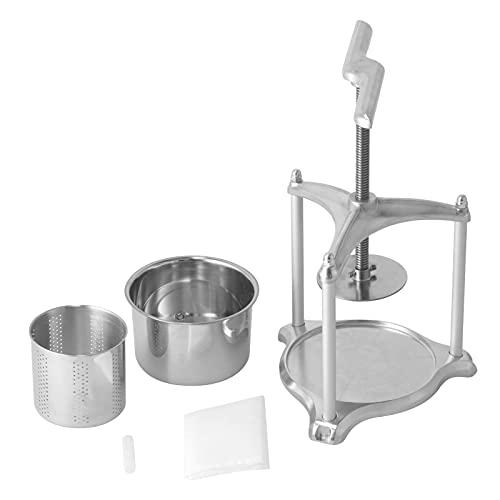 | Nutrient-Preserving Pick | Operation Type: Manual hand-crank (T-handle) | Intended Produce: Fruits, vegetables, honey | Material (body / key parts): Aluminum alloy (body) | VIEW LATEST PRICE | Read Our Analysis |
| Manual Fruit & Vegetable Juicer Pulper (Tomato/Lemon) |  | Sauce & Pulpy Specialist | Operation Type: Manual hand-crank / manual pulper | Intended Produce: Tomatoes, lemons, oranges, various fruits/vegetables | Material (body / key parts): Stainless steel components (filter) + metal body implied | VIEW LATEST PRICE | Read Our Analysis |
| Tomato Lemon Orange Manual Aluminum Juicer with Filter |  | High-Yield Citrus/Tomato | Operation Type: Manual hand-crank | Intended Produce: Tomatoes, lemons, oranges, various fruits/vegetables | Material (body / key parts): Aluminum alloy body; stainless steel filter | VIEW LATEST PRICE | Read Our Analysis |
| Akozon Manual Aluminum Juicer for Fruits and Vegetables |  | Home & Shop Workhorse | Operation Type: Manual hand-crank | Intended Produce: Tomatoes, lemons, oranges, various fruits/vegetables | Material (body / key parts): Aluminum body with stainless steel filter (multi-function) | VIEW LATEST PRICE | Read Our Analysis |
| Stainless Steel Hand-Crank Wheatgrass & Juice Press |  | Leafy-Greens Expert | Operation Type: Manual hand-crank (hand-crank) | Intended Produce: Wheatgrass, leafy greens, soft fruits | Material (body / key parts): 304 stainless steel (body & parts) | VIEW LATEST PRICE | Read Our Analysis |
More Details on Our Top Picks
Aluminum Alloy Manual Vegetable & Fruit Juicer with T-Handle
Should you want a durable, energy-free tool that’s simple to operate, the aluminum alloy manual juicer with a T-handle is a smart pick for home cooks who value nutrient retention and low waste. You place chopped produce in the barrel and rotate the ergonomic T-handle to extract juice; chopping initially boosts yield and efficiency. Handcrafted from recyclable, food-safe aluminum alloy, it’s sturdy and eco-conscious. Manual operation cuts oxidation versus electric alternatives, so your beverages keep more nutrients. You can also extract honey and make various vegetable drinks. Low-energy, minimal-waste design makes it practical for everyday, health-focused use.
- Operation Type:Manual hand-crank (T-handle)
- Intended Produce:Fruits, vegetables, honey
- Material (body / key parts):Aluminum alloy (body)
- Juice Separation / Filtration:Barrel extraction (manual) — implied pulp separation via barrel/filter action
- Mounting / Stability:Desktop/manual handheld stable operation (T-handle; handcrafted)
- Energy & Environmental Benefit:Non-electric (manual) — lower energy use; recyclable materials
- Additional Feature:T-shaped ergonomic handle
- Additional Feature:Handcrafted construction
- Additional Feature:Recyclable aluminum alloy
Manual Fruit & Vegetable Juicer Pulper (Tomato/Lemon)
Should you want a durable, energy‑saving tool to turn tomatoes and citrus into smooth sauces and juice without a blender or electricity, this manual pulper is ideal. You’ll mount it to your worktable, load the large-capacity bowl, and crank to separate peel and seeds from pulp. The stainless steel multi-function filter enhances yield and handles tomatoes, lemons, oranges and other fruits or vegetables. It’s simple to install, sturdy for frequent use, and suited for home kitchens or beverage shops. You’ll save energy, cut waste, and enjoy a multi-purpose, long-lasting tool for juice and sauce preparation.
- Operation Type:Manual hand-crank / manual pulper
- Intended Produce:Tomatoes, lemons, oranges, various fruits/vegetables
- Material (body / key parts):Stainless steel components (filter) + metal body implied
- Juice Separation / Filtration:Stainless steel multi-function filter for peel/seed separation
- Mounting / Stability:Fixture/clamp to install on worktable
- Energy & Environmental Benefit:Energy-saving, environmentally friendly (manual)
- Additional Feature:Large-capacity filling bowl
- Additional Feature:Easy table fixture
- Additional Feature:Stainless steel multi-filter
Tomato Lemon Orange Manual Aluminum Juicer with Filter
Should you need a sturdy, no‑electric juicer that handles tomatoes, lemons, and oranges with minimal fuss, the Tomato Lemon Orange Manual Aluminum Juicer is a great pick: its aluminum alloy body and stainless steel filter separate peel and seeds while the large-capacity bowl and table-mounted fixture let you process more fruit with higher yield, less effort, and simple cleanup. You’ll clamp the fixture to your worktable, load the bowl, and use the simple lever action to extract juice efficiently. The multi-function filter keeps pulp controlled. It’s energy-saving, eco-friendly, easy to install, disassemble, and clean—ideal for home or shop use.
- Operation Type:Manual hand-crank
- Intended Produce:Tomatoes, lemons, oranges, various fruits/vegetables
- Material (body / key parts):Aluminum alloy body; stainless steel filter
- Juice Separation / Filtration:Stainless steel filter separates peel and seeds from pulp
- Mounting / Stability:Fixture/clamp for table mounting
- Energy & Environmental Benefit:Energy-saving, environmentally friendly (manual)
- Additional Feature:Quick disassemble/clean
- Additional Feature:Stainless steel filter included
- Additional Feature:Large filling capacity
Akozon Manual Aluminum Juicer for Fruits and Vegetables
Should you often make tomato sauces, fresh lemonade, or small-batch juices, the Akozon Manual Aluminum Juicer is a great choice for home cooks who want high yields without electricity. You’ll get efficient separation of peel and seeds from pulp, producing pure tomato, lemon, orange and mixed-vegetable juices. Its large-capacity bowl holds more produce so you’ll work faster, whether for home or a small beverage shop. The stainless-steel multi-function filter enhances extraction across produce types. You can clamp the fixture to a worktable easily, operate and maintain the simple structure, and enjoy an energy-saving, environmentally friendly juicing option.
- Operation Type:Manual hand-crank
- Intended Produce:Tomatoes, lemons, oranges, various fruits/vegetables
- Material (body / key parts):Aluminum body with stainless steel filter (multi-function)
- Juice Separation / Filtration:Multi-function stainless steel filter separates peel/seeds from pulp
- Mounting / Stability:Fixture/clamp for worktable installation
- Energy & Environmental Benefit:Energy-saving, environmentally friendly (manual)
- Additional Feature:Commercial/home versatile use
- Additional Feature:Simple, low-maintenance design
- Additional Feature:High-extraction focus
Stainless Steel Hand-Crank Wheatgrass & Juice Press
Should you want a rugged, low‑maintenance juicer that excels with wheatgrass and leafy greens, this stainless steel hand‑crank press is for you. You clamp the 304 stainless unit onto a countertop (up to 5.5 cm thick), feed greens through the 10×10 cm port, and turn the ergonomic handle. The low‑speed spiral auger extrudes juice with minimal heat and oxidation, so you get high yields and preserved nutrients. It handles kale, spinach, parsley and soft fruits. Clogs clear through removing a plug or unscrewing the rear cover. Polished stainless steel makes the press durable, rust‑resistant and easy to clean.
- Operation Type:Manual hand-crank (hand-crank)
- Intended Produce:Wheatgrass, leafy greens, soft fruits
- Material (body / key parts):304 stainless steel (body & parts)
- Juice Separation / Filtration:Low-speed auger/extrusion separates juice from fiber/pulp (manual press)
- Mounting / Stability:Desktop clamp (fits surfaces up to 5.5 cm)
- Energy & Environmental Benefit:Manual low-speed operation preserves nutrients; durable stainless steel (no electricity)
- Additional Feature:304 polished stainless steel
- Additional Feature:Low-speed spiral auger
- Additional Feature:Removable clog plug
Factors to Consider When Choosing Vegetable Manual Juicers
Upon selecting a manual vegetable juicer, you’ll want to compare juice yield efficiency and which produce it handles best. Check materials and build quality for durability, plus how easy it is to clean after use. Also consider operation ergonomics so the press feels comfortable and efficient during regular use.
Juice Yield Efficiency
Because you want the most juice for your effort, focus on extraction method, feed capacity, and separation design while comparing manual vegetable juicers. Choose slow, low-speed extraction—auger or hand-crank pressing—because it squeezes more liquid from fibrous greens than fast centrifugal action. Look for a larger feed port or filling bowl so you can process bigger pieces or higher volumes per cycle, cutting waste from unprocessed bits. Prioritize fine stainless-steel filters or strainers that separate peel and seeds effectively while keeping pulp out of the collected juice. Check material and design tolerances: a tight auger-to-screen fit and sturdy construction maintain pressure and enhance recovery. Finally, pre-chop produce into uniform, smaller pieces to expose surface area and reduce rotations or presses needed.
Produce Compatibility
As you pick a manual juicer, match its separation, feed size, and mechanism to the produce you’ll use most: seed-and-peel separation or a fine filter keeps tomato and citrus juice clear, larger feed ports and bowls handle whole tomatoes and big citrus, and slow augers suit leafy greens while screw presses or crushers better process soft fruits. Check whether the unit separates seeds and peel or uses a fine mesh to prevent pulp carryover for cleaner flavor. Match feed-port size to your typical items so you’re not always chopping. Choose an auger for greens and wheatgrass, presses or crushers for soft fruits and tomatoes. Confirm sanitation for acidic produce and whether the model requires pre-chopping to reach peak extraction.
Material And Durability
Matching a juicer to your produce needs matters, but material and build determine how long that match will perform. Choose corrosion-resistant metals like food-grade 304 stainless or anodized aluminum to avoid rust, contamination, and off-flavors. Prioritize solid, heat-treated components and reinforced joints on hand-crank parts so the mechanism tolerates repeated torque without loosening or breaking. Seek filters, screens, and cutting edges in durable stainless or hardened alloys that resist bending, clogging, and deformation. Verify table clamps or mounting fixtures are rated for your countertop thickness and frequent use; flimsy clamps shorten usable life. Favor smooth, non-porous surfaces and designs that disassemble easily so pulp and moisture won’t degrade materials over time. Durable construction saves money and keeps performance consistent.
Ease Of Cleaning
At any time you’re shopping for a manual vegetable juicer, prioritize models with simple, detachable parts and wide openings so pulp and residue rinse or brush out quickly without complicated disassembly. You’ll want stainless steel or smooth aluminum surfaces and mesh filters that resist staining and stickiness; non-porous metals tolerate scrubbing and soaking better. Choose tool-less assembly—snap-fit parts or thumbscrews—and a removable filter or strainer so you can hand wash or use a dishwasher-safe cycle. Pay attention to crevices and hole size: fewer small holes mean easier cleaning, while fine mesh increases yield but needs more soaking and brushing. Finally, confirm clamps, screws, and internal channels allow easy flushing or back-flushing to save time and reduce bacterial buildup.
Operation Ergonomics
Good cleaning access matters, but so does how the juicer feels and moves while you use it. Look for a T-shaped or ergonomically curved handle with a comfortable grip diameter to cut wrist strain during repetitive cranking. Prefer a low-resistance mechanism—long-leverage handle or low-speed auger—to minimize required torque and fatigue. Check that the unit clamps securely to a work surface and has a stable base so you won’t need extra force to keep it steady. Choose designs that allow two-handed operation or rotate smoothly without jerking to maintain consistent motion and reduce joint stress. Consider stroke length and turning radius: short, smooth rotations work better in tight spaces and for limited mobility.
Installation And Stability
Because a manual juicer relies on your motion and mechanical advantage, secure installation and a stable base are nonnegotiable: make sure the unit clamps to your countertop (most accommodate up to 5–6 cm thickness), the clamp or mounting plate bears across a wide surface to prevent wobble, and anti-slip pads or rubber feet absorb vibration and protect surfaces. You should verify that fasteners and clamps are metal or reinforced plastic with threaded tightening mechanisms rather than simple clips, so the unit won’t shift under load. Check center of gravity and handle mechanical advantage—lower centers and balanced cradles cut tipping risk whenever you crank. Finally, test the assembled unit for play before juicing; a rigid, well-distributed mount makes for safer, smoother operation.
Maintenance And Repair
Assuming you want your manual juicer to keep performing and stay safe to use, plan for regular cleaning, inspection, and quick minor repairs. You should disassemble and rinse removable parts (filters, barrels, augers, clamps) after each use to prevent pulp buildup, mold, and acid corrosion. Use a soft brush and mild detergent on stubborn residue, avoid harsh abrasives on alloy or stainless parts, and air-dry fully before reassembly. Apply food-safe lubricant or light oil to metal joints and crank bearings every 1–3 months, wiping off excess to prevent rust. Inspect filters, seals, and cutting edges monthly; replace warped screens or cracked gaskets to protect yield and hygiene. Keep a basic repair kit (spare screws, gaskets, clamps, small screwdriver/hex key) and follow torque specs whenever tightening.