
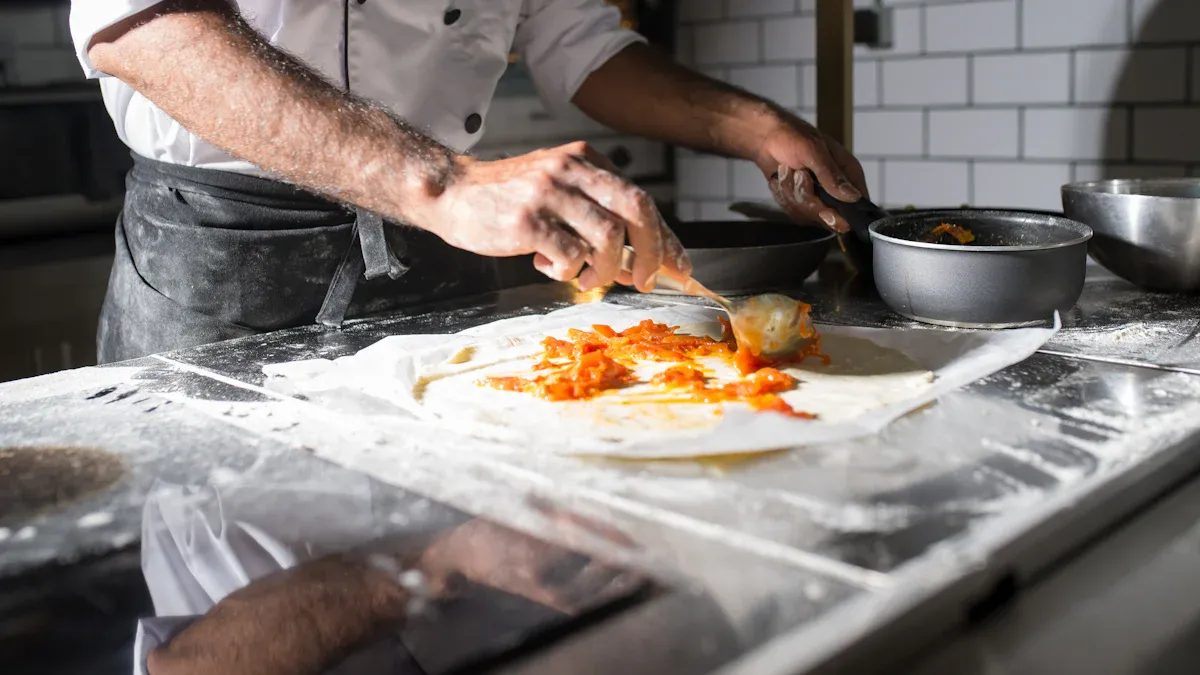
Understanding bakeware basics is crucial for successful baking. The right bakeware can make a significant difference in your results. For example, ceramic bakeware heats evenly and maintains consistent temperatures, leading to better outcomes. So, don’t hesitate to explore various bakeware basics. You might discover new favorites that elevate your baking game!
Key Takeaways
Choose the right bakeware material for even baking. Metal pans heat quickly, while glass retains heat longer.
Invest in essential bakeware like baking pans, sheet pans, and muffin tins to enhance your baking experience.
Understand the importance of size and shape in bakeware. Using the correct pan size ensures even cooking and prevents overflow.
Bakeware Types for Beginners
Baking Pans
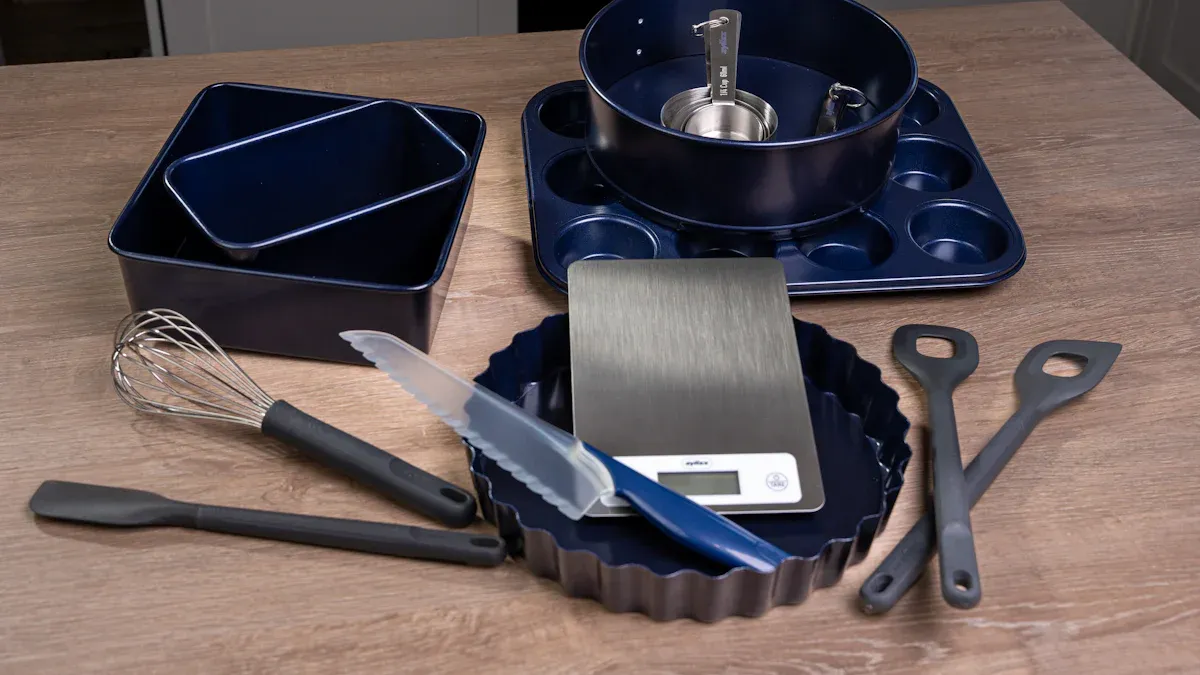
Baking pans are essential for any beginner baker. They come in various shapes and sizes, each serving a unique purpose. Here are some common types you should consider:
Two 8″ round cake pans: Perfect for layer cakes, these pans help you achieve even baking. Light-colored pans are best, as they prevent overbaking and ensure a consistent texture.
One quarter-sheet cake pan: This versatile pan is great for baking sheet cakes or roasting vegetables. Its size allows for even heat distribution, which is crucial for successful baking.
Sheet Pans
Sheet pans are a must-have in your bakeware collection. They are incredibly versatile and can be used for various baked goods. Here are some advantages of using sheet pans:
Advantage | Description |
|---|---|
Superior browning consistency | Ensures even browning across baked goods, enhancing visual appeal and taste. |
Warp-resistant construction | Prevents deformation under high heat, maintaining the pan’s integrity. |
Easy food release | Facilitates effortless removal of baked items, reducing the risk of damage. |
Versatility | Suitable for various cooking methods, from baking cookies to roasting vegetables. |
High-heat tolerance | Allows for techniques like broiling and pizza-making without warping. |
Using the right size of sheet pans can significantly influence your baking efficiency. A standard size of 10″ x 15″ is ideal for most recipes, ensuring proper heat distribution and consistent results.
Pie Plates
When it comes to baking pies, the type of pie plate you choose matters. Here are some features to look for:
Pie Plate Material | Evenness of Browning | Notes |
|---|---|---|
Metal | Most even | Golden brown across the entire crust. Best choice for beginners. |
Ceramic | Least even | Center may be pale and slightly underbaked. |
Glass | Somewhat even | Center is paler than the outer edge, but darker than metal. Useful for checking crust color. |
Metal pie plates are often recommended for beginners because they provide the most even browning. This helps you achieve that perfect golden crust without burnt edges.
Muffin Tins
Muffin tins are another essential piece of bakeware for beginners. They come in various sizes, but the standard 12-cup tin is the most popular. Here’s why:
Muffin Tin Size | Features | Benefits |
|---|---|---|
Standard (12-cup) | 2.75 inches in diameter | Ensures even baking, easy release, and uniform treats |
Mini | Smaller portions | Versatile for various recipes |
Jumbo | Larger muffins | Ideal for bigger servings and special occasions |
Using a standard metal muffin pan is effective and versatile. It allows for crisp browning and easy release, making it a favorite among beginner bakers.
Loaf Pans
Loaf pans are perfect for baking bread and other dense recipes. You’ll find them in different materials, each affecting your baking results:
Metal pans: Excellent heat conduction, leading to crisp browning. They are ideal for precision baking.
Glass pans: Retain heat well, allowing you to monitor baking progress. They are suitable for casseroles and quick breads.
Silicone pans: Flexible and nonstick, making unmolding easy. However, they may lack rigidity for certain recipes.
For standard bread recipes, consider these dimensions:
Loaf Pan Size | Dimensions (inches) | Capacity (cups) | Best For |
|---|---|---|---|
Standard | 8.5 x 4.5 | 6 | Dense quick breads, pound cakes, meatloaf |
Standard | 9 x 5 | 8 | General recipes, wider loaves with lower dome |
Using an 8.5″ x 4.5″ pan works well for recipes with 3 cups of flour or slightly less. For larger recipes, the 9″ x 5″ pan is preferred.
Selecting the Best Pans for Beginners
Material Considerations
When choosing bakeware, the material plays a crucial role in your baking success. Here are some key factors to consider:
Heat Conductivity: Different materials distribute heat differently. For instance, metal pans heat quickly and evenly, making them great for baking. In contrast, glass pans act as insulators, which can lead to longer baking times.
Reactivity with Ingredients: Some materials, like uncoated aluminum, can react with acidic foods. This reaction might alter the flavors of your baked goods, so it’s essential to choose wisely.
Weight: Heavier pans often feel sturdier and can help with even baking. However, if you’re a beginner, you might prefer lighter options for easier handling.
Maintenance: Some materials require more care than others. For example, non-stick bakeware is generally easier to clean, while traditional metal pans may need more scrubbing.
Understanding these factors can help you select the best pans for beginners, ensuring your baking adventures are successful.
Size and Shape
The size and shape of your bakeware can significantly impact your baking results. Here’s a quick guide to common pan sizes and their uses:
Pan Size | Common Uses |
|---|---|
10″ x 15″ | Jelly rolls, sheet cakes, cookie bars, roasting vegetables |
9″ x 9″ | Brownies, coffee cakes, cornbread, snack cakes |
9″ x 5″ | Quick breads, pound cakes, sandwich bread |
9″ x 13″ | Sheet cakes, lasagna, casseroles, cobblers |
11″ x 17″ | Cookies, sheet pan dinners, roasting vegetables |
9-inch round | Layer cakes, single-layer snack cakes, cheesecakes |
Cupcake/Muffin | Cupcakes, muffins, mini frittatas |
Choosing the right size ensures even cooking and prevents overflows. For example, using a 9″ x 5″ pan for quick breads helps achieve the perfect rise without spilling over.
Non-Stick vs. Traditional
When it comes to bakeware, you’ll often hear about non-stick versus traditional options. Here’s a breakdown of their pros and cons:
Aspect | Non-Stick Bakeware | Traditional Bakeware |
|---|---|---|
Ease of Use | Easy food release, ideal for beginners | Requires more skill to prevent sticking |
Healthier Cooking Options | Requires less oil, leading to healthier meals | May require more oil for cooking |
Cleanup | Quick and easy cleanup | More scrubbing may be needed |
Lifespan | Limited lifespan, may need frequent replacement | Generally more durable |
Safety Concerns | Potential for harmful fumes if overheated | Generally considered safer |
Browning and Caramelization | Reduced browning capabilities | Better for browning and caramelization |
Non-stick bakeware is fantastic for beginners because it simplifies the baking process. However, traditional pans often provide better browning and caramelization, which can enhance the flavor of your baked goods.
Bakeware Basics: Essential Tools
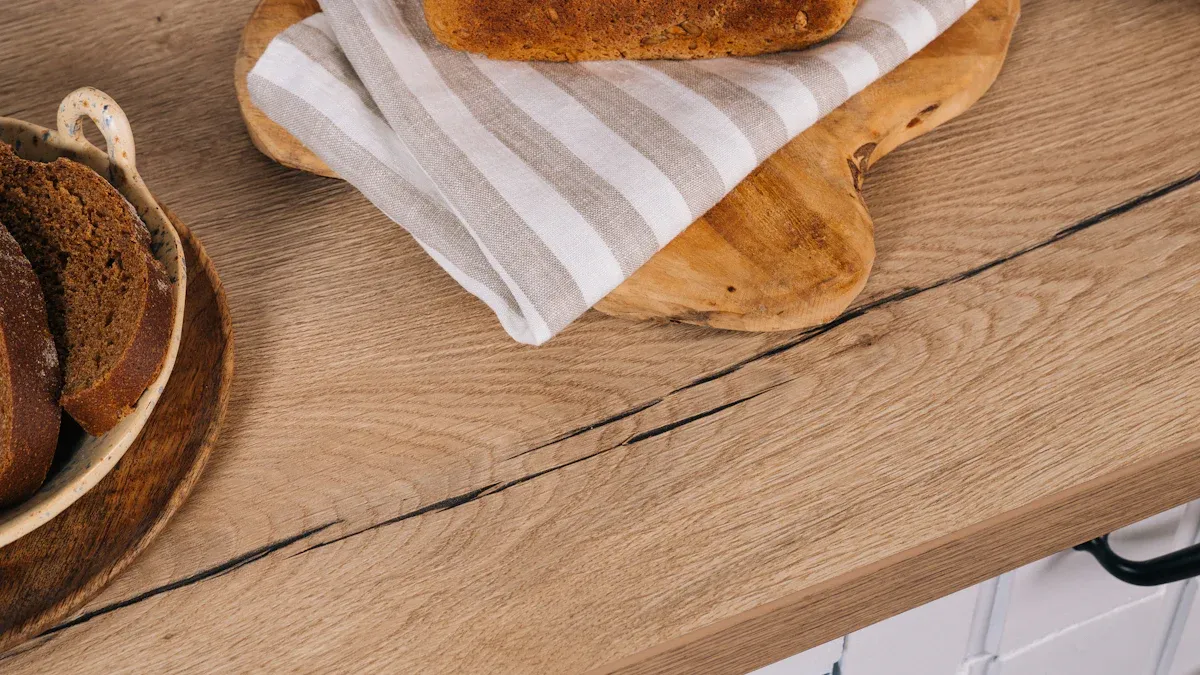
When you dive into baking, having the right tools makes all the difference. Here are some essential tools you should consider:
Measuring Tools
Accurate measurements are crucial in baking. Even small discrepancies can lead to dense cakes or cookies that don’t rise. Here’s a list of must-have measuring tools:
Scale: Provides accurate measurements, especially for flour and sugar.
Liquid Measuring Cups: Designed to prevent spills, ensuring you get the right amount of liquid.
Dry Measuring Cups: Perfect for dry ingredients, allowing for precise filling and leveling.
Measuring Spoons: Essential for small quantities, ensuring accuracy in your recipes.
Oven Thermometer: Confirms your oven temperature is correct, preventing undercooked or burnt items.
Candy Thermometer: Necessary for recipes needing precise temperature control, like caramel.
Timer: A backup to avoid distractions and ensure proper cooking times.
Mixing Bowls
Mixing bowls come in various materials, each with its benefits. Here’s a quick overview of some recommended types:
Mixing Bowl Type | Benefits |
|---|---|
Pyrex Smart Essentials | Durable glass set ideal for simple baking projects and serving. |
Deep Metal Bowls | Perfect for containing splatters and suitable for everyday mixing tasks. |
Tempered Glass Set | Microwave-safe and includes all functional sizes needed for various baking tasks. |
Stainless Steel Bowls | Best for use with hand mixers, as they are more durable than glass bowls. |
The shape and material of your mixing bowl can significantly affect how well you mix ingredients. Rounded bottoms and sloped sides help incorporate ingredients more efficiently.
Cooling Racks
Cooling racks are essential for any baker. They prevent soggy bottoms on baked goods by allowing air to circulate underneath. Here are some advantages of using cooling racks:
Promotes even cooling, which helps maintain the texture of your baked goods.
Maximizes counter space during baking sessions.
Common sizes fit standard half-sheet and quarter-sheet pans.
Investing in a good cooling rack ensures your treats cool properly, enhancing their flavor and texture.
Selecting the right bakeware is essential for your baking success. Different materials can affect how evenly your baked goods turn out. For instance, metal pans give you crispy edges and golden bottoms, while glass retains heat longer. As you grow in your baking skills, don’t hesitate to experiment with various types of bakeware. This exploration will help you adapt your techniques and improve your results. Remember, understanding bakeware basics is a crucial step toward becoming a confident baker. Happy baking! 🍰
FAQ
What type of bakeware is best for baking cookies?
You should use light-colored sheet pans for baking cookies. They help achieve even browning and prevent burning.
How do I choose the right round cake pans?
Select round cake pans that are 8 or 9 inches in diameter. These sizes work well for most cake recipes.
Can I use glass bakeware for baking cakes?
Yes, you can use glass bakeware for cakes. Just remember that glass retains heat, so adjust baking times accordingly.