
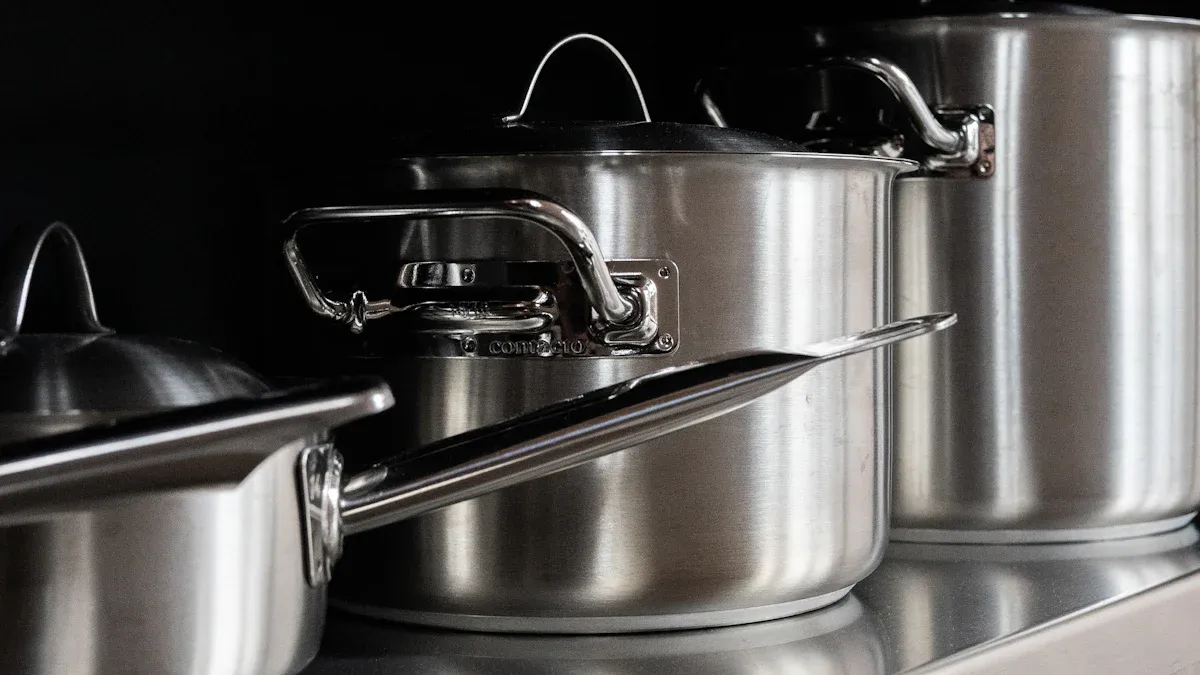
When you step into the kitchen, the choice of cookware materials plays a crucial role in your cooking experience. Various materials offer unique benefits and challenges that can affect the outcome of your meals. Understanding these characteristics helps you make informed choices. For example, some materials can leach harmful substances into food, while others provide excellent heat distribution. By knowing the differences, you can select the right cookware for your culinary needs.
Cookware Type | Contamination Level | Health Risks |
|---|---|---|
Non-anodized Aluminum | High | Significant leaching of toxic metals, including Al, Pb, and Cd, leading to serious health issues. |
Anodized Aluminum | Moderate | Becomes more sensitive to leaching upon repeated use, potentially leading to health risks. |
Stainless Steel | Low | Less contaminated with heavy metals, safer for cooking. |
Copper | Low | Similar to stainless steel, comparatively safer for cooking. |
Recycled Cookware | High | Often contains various toxic elements, posing serious health risks. |
Key Takeaways
Choose cookware based on your cooking style. For frying and slow cooking, cast iron is ideal. For sautéing, stainless steel works best.
Consider health risks when selecting materials. Non-stick and aluminum can leach harmful substances, while stainless steel and glass are safer options.
Maintain your cookware properly to extend its life. Regular seasoning for cast iron and avoiding metal utensils on non-stick surfaces are essential.
Evaluate your budget when buying cookware. High-quality materials like copper and enameled cast iron may cost more but offer better performance.
Look for safety certifications on cookware. Labels like ‘PFOA-Free’ and ‘Lead-Free’ indicate safer cooking options.
Cast Iron Cookware
Uses
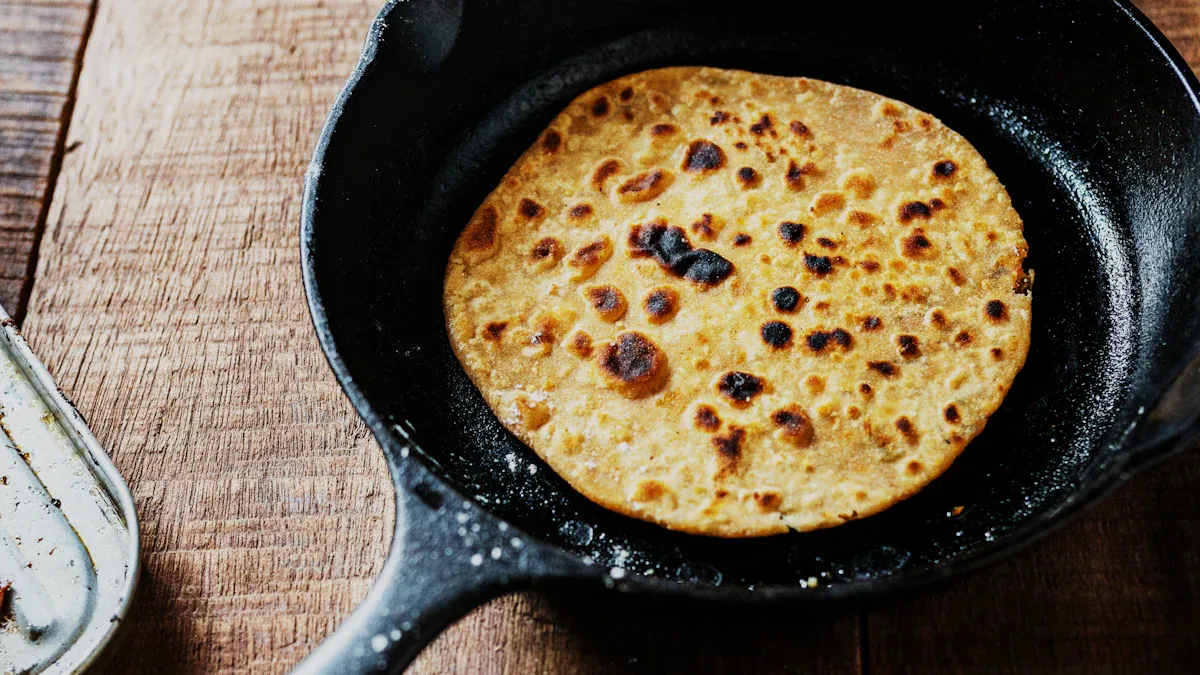
Cast iron cookware is a favorite among many chefs and home cooks. You can use it for various cooking methods, including:
Frying: The heavy material retains heat well, making it perfect for frying foods like chicken or potatoes.
Baking: You can bake cornbread or even pizzas in a cast iron frying pan, achieving a crispy crust.
Slow Cooking: The excellent heat retention allows for slow cooking of stews and soups, enhancing flavors over time.
Searing: Cast iron is ideal for searing meats, giving them a beautiful crust while keeping the inside juicy.
Many popular dishes benefit from cast iron cookware. Here are a few examples:
Pork Carnitas with Pickled Red Onions
Garlic Lemon Rosemary Roasted Chicken
Cast Iron Seared Steaks
Latkes
Zucchini Fritters
Pros & Cons
Cast iron cookware has several advantages:
Heat Retention: Cast iron excels at retaining heat, making it great for slow cooking and frying. It provides consistent and even heat, which is essential for perfect cooking results.
Versatility: You can use cast iron on the stovetop, in the oven, or even over an open flame.
Health Benefits: Cooking with cast iron can increase the iron content of your food. For example, spaghetti sauce cooked in cast iron can boost iron levels significantly, which can be beneficial for those needing extra iron in their diet.
However, there are some downsides to consider:
Weight: Cast iron cookware is heavy, which can make it difficult to handle, especially when full.
Maintenance: It requires seasoning to maintain its non-stick surface and prevent rust. This process can be time-consuming.
Reactivity: Acidic foods can react with cast iron, leading to a metallic taste. Older, well-seasoned pans tend to leach less iron than newer ones.
Enameled Cast Iron
Uses
Enameled cast iron cookware offers versatility in the kitchen. You can use it for various cooking methods, including:
Braising: The heavy material retains heat, making it perfect for slow-cooking meats and vegetables.
Baking: You can bake casseroles or bread, achieving a beautiful crust thanks to the even heat distribution.
Sautéing: The smooth enamel surface allows for easy sautéing of vegetables without sticking.
Enameled cast iron is ideal for dishes like:
Beef Bourguignon
Ratatouille
Dutch Oven Bread
Coq au Vin
Pros & Cons
Enameled cast iron cookware has several advantages:
Durability: With proper care, this cookware can last a lifetime. The enamel coating protects against rust and corrosion, making it a reliable choice for your kitchen.
Easy Cleaning: The smooth surface makes cleaning a breeze. You can wash it with soap and water without worrying about rust.
Non-Reactivity: Unlike traditional cast iron, the enamel coating prevents reactions with acidic foods, allowing you to cook a wider variety of dishes.
However, there are some downsides to consider:
Chipping: The enamel can chip if dropped or handled roughly. While this does not significantly affect performance, it can impact the cookware’s appearance.
Weight: Like traditional cast iron, enameled cast iron is heavy, which may make it difficult to handle when full.
Cost: Enameled cast iron cookware tends to be more expensive than regular cast iron. However, its longevity can justify the investment.
Cookware Type | Lifespan and Durability |
|---|---|
Traditional Cast Iron | Built to last for generations; incredibly durable; can be revived even after rusting. |
Enameled Cast Iron | Built to last a lifetime with proper care; prone to chipping; may show wear over time. |
Stainless Steel Cookware
Uses
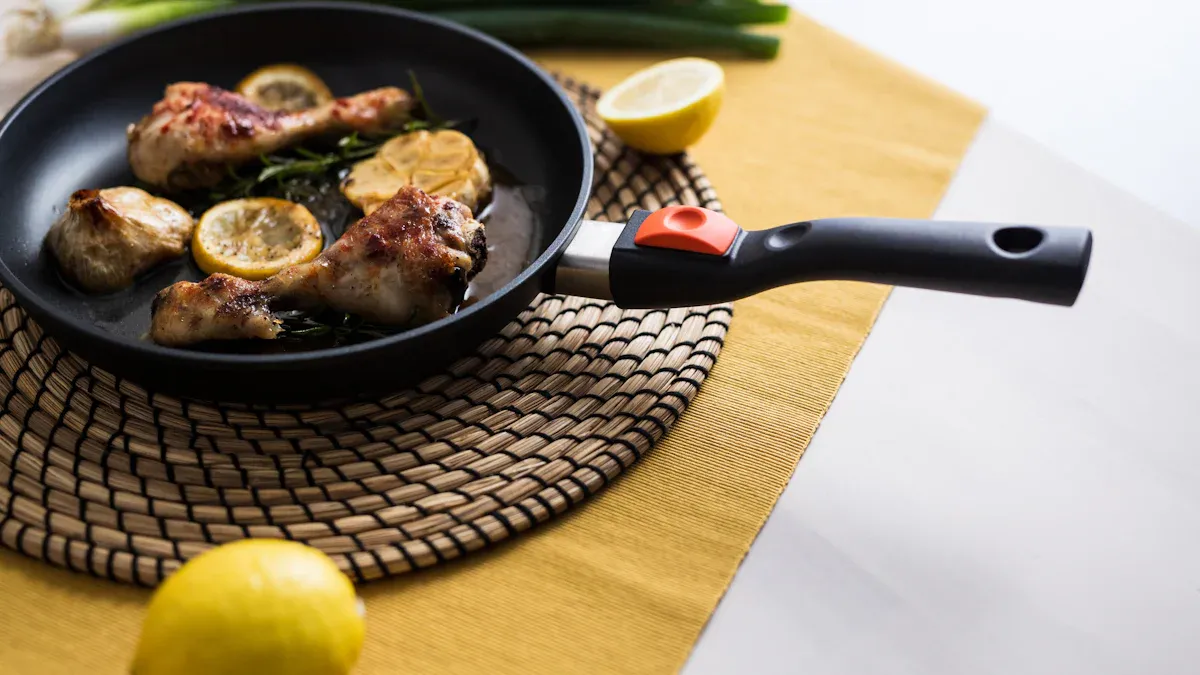
Stainless steel cookware is a popular choice for many kitchens. You can use it for various cooking methods, including:
Sautéing: A stainless steel frying pan works well for sautéing vegetables and meats. The even heat distribution helps achieve perfect browning.
Boiling: Use stainless steel pots for boiling pasta or making soups. They heat quickly and maintain temperature well.
Baking: Some stainless steel cookware is oven-safe, allowing you to bake dishes like casseroles or lasagna.
Steaming: You can steam vegetables in a stainless steel pot with a steamer insert, preserving nutrients and flavor.
Pros & Cons
Stainless steel cookware offers several advantages:
Durability: This material is known for its strength. It resists rust, corrosion, and warping, making it a long-lasting option for your kitchen.
Versatility: You can use stainless steel cookware on the stovetop, in the oven, and even under the broiler. It adapts to various cooking styles.
Scratch Resistance: Unlike aluminum, stainless steel is scratch-proof. This means you can use metal utensils without worrying about damaging the surface.
However, there are some downsides to consider:
Heat Conductivity: Stainless steel does not conduct heat as well as copper or aluminum. This can lead to hot spots if not used properly.
Sticking: Food can stick to stainless steel surfaces if not properly preheated or if insufficient oil is used. This can make cleaning more challenging.
Cost: High-quality stainless steel cookware can be more expensive than other materials. However, its durability often justifies the investment.
Material | Durability | Scratch Resistance |
|---|---|---|
Stainless Steel | Durable, corrosion-resistant | Scratch-proof |
Aluminum | Softer, prone to scratches | Less resistant to scratches |
Stainless steel cookware is a reliable choice for any home cook. Its durability and versatility make it a staple in many kitchens.
Carbon Steel Cookware
Uses
Carbon steel cookware is a versatile option for many cooking methods. You can use it for:
Searing: The ability to withstand high heat makes it perfect for searing meats, giving them a delicious crust.
Stir-Frying: The lightweight nature allows for easy tossing and flipping of ingredients, making it ideal for stir-frying vegetables and proteins.
Baking: You can bake items like cornbread or pizza, achieving a crispy texture thanks to its excellent heat retention.
Grilling: Carbon steel pans can handle high temperatures, making them suitable for grilling meats and vegetables.
Many professional chefs prefer carbon steel cookware for its versatility. As one chef noted, “A lot of professional chefs swear by carbon steel pans because they’re so versatile and can handle really high heat.”
Pros & Cons
Carbon steel cookware has several advantages:
Lightweight: Compared to cast iron, carbon steel is lighter, making it easier to handle, especially when full.
Heat Retention: It retains and distributes heat well, ensuring even cooking.
Non-Stick Surface: When properly seasoned, carbon steel develops a natural non-stick surface, enhancing your cooking experience.
Sloped Sides: The design of carbon steel pans facilitates easier tossing and flipping of food, which is great for stir-frying.
However, there are some downsides to consider:
Maintenance: Like cast iron, carbon steel requires seasoning to maintain its non-stick properties and prevent rust.
Reactivity: It can react with acidic foods, which may alter the taste of your dishes.
Learning Curve: If you are new to using carbon steel, it may take time to master the seasoning and cooking techniques.
In terms of weight, here’s how carbon steel compares to other materials:
Material | Weight (approx.) |
|---|---|
Cast Iron | 5.4 lb |
Carbon Steel | 3.0 lb |
Aluminum | Lightest |
Carbon steel cookware offers a great balance of performance and ease of use, making it a valuable addition to your kitchen.
Copper Cookware
Uses
Copper cookware is a favorite among chefs for its superior heat conductivity. You can use it for various cooking methods, including:
Preparing Delicate Dishes: Copper cookware excels at making crepes and sauces like Béarnaise and hollandaise due to its uniform heat distribution.
Sautéing and Stir-Frying: The quick heating properties enhance the cooking process, allowing you to achieve perfect results.
Making Candies and Chocolate: Copper is essential for creating delicate sauces and candies, showcasing its versatility in various culinary techniques.
Copper conducts heat approximately 25 times more effectively than stainless steel, meaning it heats up quickly and distributes heat evenly across the entire cooking surface.
Pros & Cons
Copper cookware has several advantages:
Excellent Heat Conductivity: Copper cookware heats quickly and evenly, making it ideal for precise cooking.
Aesthetic Appeal: The shiny surface adds a touch of elegance to your kitchen.
However, there are some downsides to consider:
Maintenance Requirements: To maintain its appearance, you need to clean and polish copper cookware regularly. Here are some tips:
Clean and polish every six months to keep its shine.
Use a cleaning paste made from household materials or a commercial cleaner like Bar Keepers Friend.
Hand wash with dish soap and warm water; avoid the dishwasher.
For light polishing, use a mixture of ketchup and fine sea salt or a paste of vinegar, salt, and flour.
Material | Thermal Conductivity (W/M-K) |
|---|---|
Silver | 429 |
Copper | 401 |
Aluminum (Pure) | 237 |
Stainless Steel | 15 |
Copper cookware offers exceptional performance in the kitchen, but it requires regular care to maintain its beauty and functionality.
Aluminum Cookware
Uses
Aluminum cookware is a popular choice in many kitchens due to its lightweight and efficient cooking properties. You can use aluminum pans for various tasks, including:
Sautéing: The quick heating allows you to sauté vegetables and meats effectively.
Boiling: Aluminum pots are great for boiling pasta or making soups, as they heat up rapidly.
Baking: Some aluminum bakeware is perfect for cakes and cookies, providing even heat for consistent results.
Frying: The excellent heat conduction makes aluminum ideal for frying foods, ensuring they cook evenly.
Pros & Cons
Aluminum cookware has several advantages that make it appealing:
Lightweight and Easy to Handle: Aluminum is much lighter than cast iron, making it easier to lift and store larger cookware.
Fast and Even Heat Conduction: Aluminum heats up quickly and distributes heat evenly, which is ideal for quick cooking tasks.
Cost-Effective: Generally, aluminum cookware is less expensive than heavier materials while performing well.
Low Maintenance: Hard-anodized aluminum is recommended for its durability and ease of cleaning.
However, there are some downsides to consider:
Reactivity with Acidic Foods: Aluminum can leach into food, especially when cooking acidic solutions. For example, cooking with a dilute citric acid solution can lead to significant aluminum leaching, which may exceed safety limits. This can pose health risks, particularly for children.
Limited Lifespan: While aluminum cookware is durable, it may not last as long as cast iron or stainless steel.
Non-Stick Cookware
Uses
Non-stick cookware is popular for its convenience and ease of use. You can use it for various cooking tasks, including:
Cooking Breakfast: Fry bacon, eggs, and pancakes without worrying about sticking.
Preparing Delicate Foods: Cook delicate fish and crepes with minimal effort.
Making Cheesy Dishes: Create cheesy casseroles or pasta dishes that slide right out of the pan.
The non-stick surface allows you to cook with less oil, making it easier to prepare healthier meals.
Pros & Cons
Non-stick cookware offers several benefits:
Easy Cleaning: The smooth surface makes cleanup quick and simple. You can often wipe it clean with a damp cloth.
Low-Fat Cooking: Non-stick surfaces enable cooking with minimal oil, fat, or butter. This promotes healthier meal preparation. For example:
The advanced nonstick coating allows for cooking delicate foods with minimal oil, ensuring professional results.
Non-stick cookware allows for effortless food release, which means less oil is needed compared to stainless steel.
However, there are some health concerns associated with non-stick coatings:
Chemical Exposure: Some non-stick coatings, like PTFE, can release harmful chemicals when overheated.
Health Risks: PFOA, a chemical used in some non-stick products, is a probable carcinogen. It can disrupt hormones and affect both adults and newborns.
Respiratory Issues: Overheating Teflon pans can lead to ‘Teflon Flu,’ causing severe respiratory distress.
When choosing non-stick cookware, consider these factors carefully. While it offers convenience, understanding the potential risks is essential for safe cooking.
Glass Cookware
Uses
Glass cookware is a versatile option in your kitchen. You can use it for various cooking methods, including:
Baking: Glass retains heat well, making it ideal for baking dishes. It helps achieve even cooking, especially for recipes with acidic ingredients like tomatoes.
Microwave Cooking: Always check for a microwave-safe label on glassware. Using non-microwave safe glass can lead to cracking or breaking. Glass cookware can be safely microwaved if labeled as microwave safe.
Serving: Glass dishes can go directly from the oven to the table, enhancing presentation. Their clear surface allows you to monitor food as it cooks, ensuring perfect results.
Pros & Cons
Glass cookware has several advantages:
Non-Reactivity: Glass is non-reactive, meaning it won’t leach any chemicals into your food. This property helps preserve the flavors and integrity of ingredients, making it a safe choice for health-conscious cooking.
Easy to Clean: The smooth surface of glass cookware makes it easy to clean. You can often wash it with soap and water without much effort.
However, there are some downsides to consider:
Fragility: Glass cookware can break easily if dropped or subjected to sudden temperature changes. Always handle it with care to avoid accidents.
Heat Retention: While glass retains heat well, it can lead to uneven baking if not monitored. It may continue cooking food after you remove it from the oven, so keep an eye on your dishes.
Choosing the Best Cookware Material
Cooking Style
Your cooking style significantly influences your choice of cookware materials. Different materials perform better for specific cooking methods. Here are some factors to consider:
Assess Your Cooking Habits: Think about how often you cook and what types of meals you prepare. If you frequently sauté vegetables or meats, a stainless steel frying pan is a great choice. For slow-cooked stews, cast iron excels due to its heat retention.
Material Durability and Performance: Choose materials based on their durability. Stainless steel is ideal for everyday use, while cast iron is perfect for heat retention. If you prefer low-fat cooking, Teflon-coated steel offers excellent non-stick properties.
Advanced Base Structures: Consider cookware with advanced base structures like 3-ply or 5-ply. These designs improve heat distribution, making them suitable for various cooking techniques.
Budget
Your budget also plays a crucial role in selecting the best cookware material. Prices vary widely based on the material and brand. Here are some points to keep in mind:
Material Pricing: Cookware materials differ in reactivity and heat conduction, which affects their pricing. Nonreactive materials like ceramics and stainless steel are generally more desirable, influencing consumer choices.
Cost of Copper: Copper cookware is known for its excellent heat conduction. However, it often comes with a higher price tag. If you want the best performance, be prepared to invest more.
Market Trends: Tariffs on steel and aluminum have led to a price increase of about 15% on cookware products. Rising input material costs can influence your purchasing decisions.
Health Considerations
Health considerations are vital when choosing cookware materials. You want to ensure that your cookware is safe for cooking. Here are some health factors to consider:
Cookware Type | Health Concerns |
|---|---|
Aluminum Cookware | Highly reactive, can leach into food, linked to neurodegenerative conditions like Alzheimer’s disease. |
Non-Stick (Teflon/PTFE) Cookware | Releases toxic fumes when overheated, older versions contain PFOA linked to hormonal disruption. |
Stainless Steel | Can release nickel and chromium, potential allergens and carcinogens. |
Glass Cookware | Non-reactive, does not leach harmful substances. |
Porcelain-Enamel-Coated Cookware | Non-reactive coating prevents leaching, but older versions may contain lead. |
100% Ceramic Cookware | Free from synthetic chemicals and heavy metals, but some may contain contaminants. |
Cast Iron | Naturally non-stick when seasoned, adds dietary iron, but excess iron can be harmful for some. |
When selecting cookware, look for safety certifications. Labels like ‘Lead-Free’ and ‘PFOA-Free’ indicate that the cookware is safe for use. Additionally, ensure that your cookware is ‘FDA Approved’ to comply with food safety regulations.
By considering your cooking style, budget, and health factors, you can choose the best cookware material for your kitchen. This thoughtful approach will enhance your cooking experience and ensure that you prepare meals safely.
Understanding different cookware materials is essential for making informed choices in the kitchen. Each material has unique pros and cons that can impact your cooking experience. For example, cast iron offers excellent heat retention, while non-stick cookware provides easy food release.
Consider your cooking style and preferences when selecting cookware. Whether you prioritize durability, ease of cleaning, or health safety, the right cookware can enhance your culinary adventures. Remember to maintain your cookware properly to ensure safety and longevity.
Proper maintenance includes washing new pans thoroughly before first use and avoiding metal utensils. Following these guidelines can help reduce the risk of chemical exposure and extend the life of your cookware.
FAQ
What is the best cookware material for beginners?
Stainless steel is an excellent choice for beginners. It is durable, versatile, and easy to clean. You can use it for various cooking methods without worrying about reactivity or maintenance.
How do I maintain cast iron cookware?
To maintain cast iron, season it regularly. Clean it with hot water and a brush, avoiding soap. Dry it thoroughly and apply a thin layer of oil to prevent rust.
Can I use metal utensils on non-stick cookware?
Avoid using metal utensils on non-stick cookware. Metal can scratch the coating, reducing its effectiveness. Opt for silicone, wood, or plastic utensils instead.
Is aluminum cookware safe to use?
Anodized aluminum cookware is generally safe. It has a protective layer that reduces reactivity. However, avoid using non-anodized aluminum with acidic foods to prevent leaching.
How can I tell if my cookware is oven-safe?
Check the manufacturer’s label or packaging for oven-safe symbols. If unsure, look for materials like stainless steel, cast iron, or glass, which are typically oven-safe.