An efficient kitchen workflow can truly transform your cooking experience. When you organize tasks into distinct stages, you streamline the process and make it more enjoyable. Think about it: having a designated space for cooling consumables, cleaning, preparation, and cooking can save you time and reduce stress. Each zone plays a crucial role. For example, the preparation zone gives you room to chop and organize, while the cooking zone keeps your essential tools within reach. By understanding these kitchen workflow basics, you can create a more effective and pleasant cooking environment.
Key Takeaways
Organize your kitchen into four distinct zones: storage, prep, cooking, and cleaning. This structure simplifies tasks and enhances efficiency.
Optimize your storage zone by decluttering, labeling, and using vertical space. A tidy storage area saves time and reduces stress during cooking.
Create an efficient prep zone by keeping essential tools within reach and investing in quality equipment. This can significantly speed up meal preparation.
Design your cooking zone with the kitchen work triangle in mind. This layout minimizes movement and makes cooking smoother and more enjoyable.
Maintain a well-organized cleaning zone to streamline post-cooking cleanup. Group cleaning supplies and appliances for easy access and efficiency.
Kitchen Workflow Basics: Zones
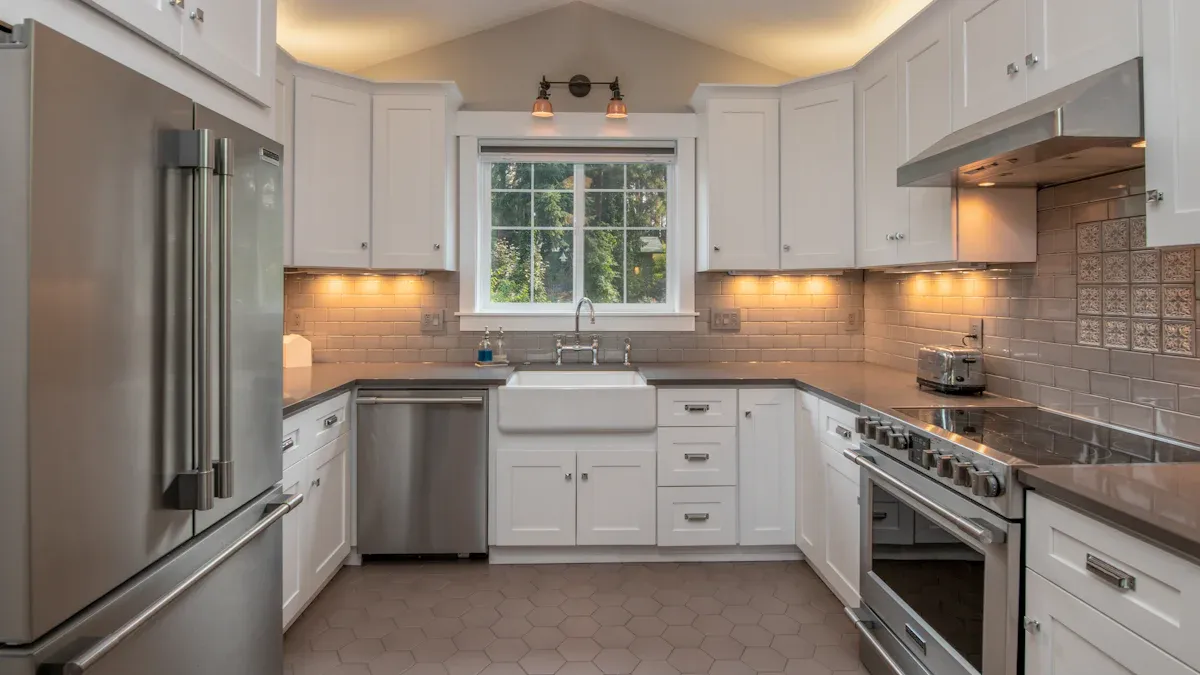
Understanding the distinct zones in your kitchen can significantly enhance your kitchen workflow. Each zone serves a specific purpose, making your cooking experience smoother and more enjoyable. Let’s break down these essential areas.
Storage Zone
The storage zone is where you keep all your ingredients and tools. An organized storage area reduces clutter and helps you find what you need quickly. Here are some effective storage solutions to consider:
Dedicated storage for appliances: This keeps your countertops clear and makes your kitchen look tidy.
Open shelving: It allows easy access to kitchenware and can also serve as a display for your favorite items.
Cubbies and containers: These help categorize your items, making it easier to locate them when you need them.
Well-organized pantries: Use bins and containers to keep everything in its place, which can also help reduce food waste. For instance, labeling food with dates and designating a specific area for items nearing expiration can enhance organization and minimize waste.
By optimizing your storage zone, you create a functional kitchen that supports your cooking needs.
Prep Zone
Next up is the prep zone, where the magic of meal preparation happens. A well-designed prep area can save you time and effort. Here are some tips for creating an efficient prep zone:
Keep essential tools within reach: Make sure your knives, cutting boards, and measuring tools are easily accessible.
Use multiple cutting boards: This prevents cross-contamination and allows you to work with different ingredients simultaneously.
Invest in quality tools: A good chef’s knife, mixing bowls, and measuring cups can make a world of difference in your prep work.
A streamlined kitchen layout directly correlates with reduced meal preparation time. When everything you need is at your fingertips, you can focus on cooking rather than searching for tools.
Cooking Zone
The cooking zone is where you bring your culinary creations to life. To optimize this area, consider the following:
Implement the kitchen work triangle: Arrange your refrigerator, sink, and cooktop in a triangular layout. This minimizes unnecessary movement and enhances efficiency.
Mise en Place: This French term means “everything in its place.” Prepare and measure your ingredients before you start cooking to streamline your workflow.
Maintain a clean workspace: Cleaning as you go keeps your cooking zone organized and prevents bottlenecks during meal preparation.
By focusing on the layout and organization of your cooking zone, you can create a seamless workflow that enhances your cooking experience.
Cleaning Zone
Finally, the cleaning zone is crucial for maintaining a tidy kitchen. An efficient cleanup process can make a big difference. Here are some recommendations:
Group appliances: Keep your sink, dishwasher, and trash in one area to streamline the cleanup process.
Organize cleaning supplies: Position dish detergent, sponges, and towels near the sink for easy access.
Design an ergonomic layout: Ensure your cleaning zone is comfortable to use, perhaps by placing it under a window for natural light.
By organizing your cleaning zone effectively, you can reduce post-cooking cleanup time and maintain a pleasant kitchen environment.
Zone Optimization
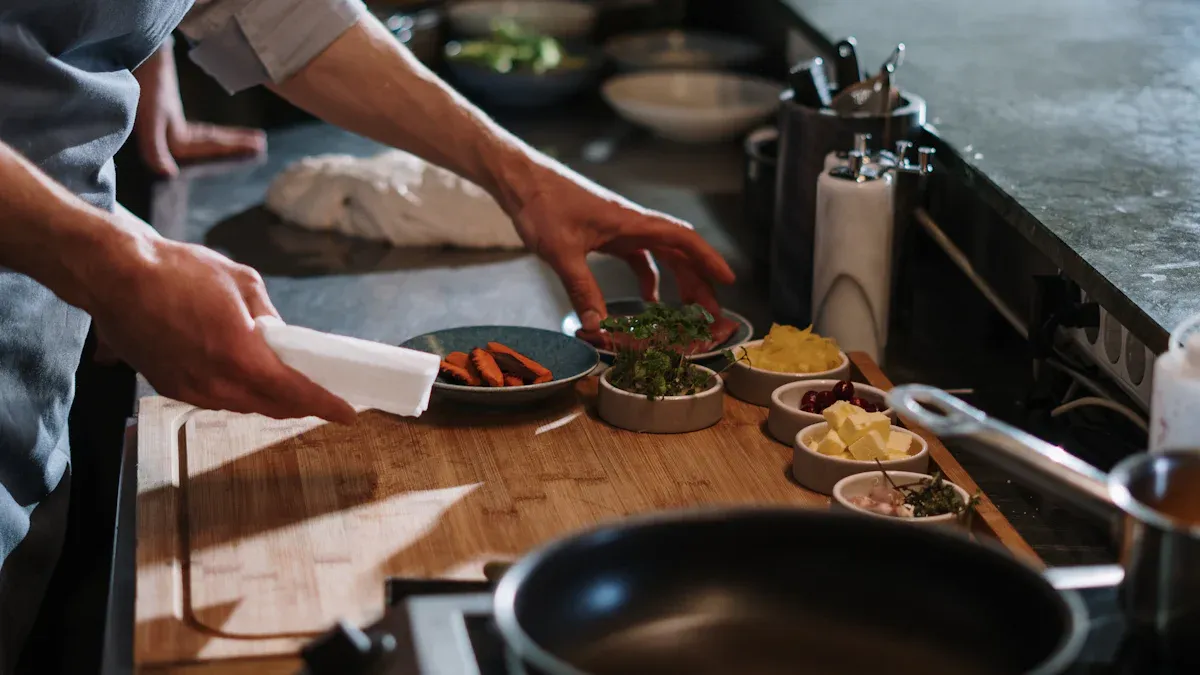
Optimizing each zone in your kitchen can significantly enhance your kitchen workflow. Let’s dive into some practical tips for each area.
Storage Efficiency
To maximize your storage efficiency, consider these strategies:
Start with a deep clean: Remove dust and assess what you really need.
Declutter: Free up space by getting rid of items you no longer use.
Create functional zones: Designate areas for different tasks to keep everything organized.
Maximize vertical storage: Use shelves and hooks to take advantage of your kitchen’s height.
Optimize drawer and cabinet space: Invest in organizers to make the most of your storage.
Smart storage solutions: Lazy susans and pull-out drawers can make accessing items easier.
Label everything: This helps you quickly find what you need and maintain organization.
Regular maintenance: Keep your kitchen clean and organized to ensure efficiency.
By implementing these tips, you’ll create a storage zone that supports your cooking needs and keeps your kitchen clutter-free.
Streamlined Prep
Your prep zone is where you set the stage for cooking. Here are some ways to streamline this area:
Invest in quality tools: Sharp knives and food processors can save you time and effort.
Use stackable and labeled containers: This keeps your ingredients organized and accessible.
Establish a dedicated prep station: Having all your tools and ingredients in one spot can improve your meal prep efficiency by up to 20%.
Avoid common mistakes like inadequate counter space or ignoring workflow zones. These can lead to clutter and wasted time. Instead, ensure you have enough room to work comfortably and safely.
Cooking Techniques
In the cooking zone, efficiency is key. Here are some techniques to enhance your workflow:
Arrange pots, pans, and utensils for quick access: This minimizes movement and speeds up your cooking process.
Position appliances thoughtfully: Create a seamless transition from preparation to plating.
Utilize pull-out organizers and overhead racks: These can help keep your cookware accessible and organized.
Also, consider using multi-functional appliances. They can streamline processes and reduce the need for multiple devices, making your cooking experience smoother.
Cleaning Strategies
An efficient cleaning zone is essential for maintaining a hygienic kitchen. Here are some effective strategies:
Regularly clean kitchen hoods and exhaust systems: This removes grease and ensures safety compliance.
Consider professional cleaning services: They have the expertise and equipment for thorough cleaning.
Disassemble and soak kitchen components: Use sanitizing solutions to tackle stubborn grime.
Scrub and sanitize all surfaces: Pay special attention to high-touch areas to maintain hygiene.
Investing in professional cleaning can save you time and ensure your kitchen meets food safety standards. A clean kitchen not only looks good but also creates a pleasant cooking environment.
By optimizing each zone in your kitchen, you can create a workflow that enhances your cooking experience and makes meal preparation more enjoyable.
Traffic Flow in the Kitchen
Designing for Movement
A well-designed kitchen layout is essential for smooth movement. When you plan your kitchen, think about how you move between different zones. Here are some key factors to consider:
Storage: Keep frequently used items close to your cooking area.
Food preparation: Ensure your prep zone is easily accessible from the cooking zone.
Cooking: Position your stove and oven within reach of both the prep and cleaning areas.
Clean-up: Design your cleaning zone near the cooking area to make post-meal cleanup easier.
Serving or staging: Create a space for plating and serving that doesn’t obstruct movement.
By consolidating entry points and minimizing cross-traffic, you can keep your primary work zones clear. This approach not only enhances efficiency but also boosts safety by reducing congestion in busy areas.
Ergonomic Layouts
Ergonomics play a vital role in kitchen design. An ergonomic layout helps you work comfortably and efficiently. Here are some recommendations:
Ergonomic Layout Recommendation | Description |
|---|---|
Cabinet Heights | Set cabinets at heights that allow easy access without excessive reaching. |
Multi-Level Surfaces | Use surfaces at different heights to accommodate various tasks. |
Appliance Heights | Position appliances at convenient heights to minimize bending. |
Dedicated Zones | Establish distinct areas for preparation, cooking, and cleaning. |
Using ergonomic tools can also enhance your kitchen workflow. For example, ergonomic knives fit your hand better, reducing wrist strain during prolonged use. Adjustable-height workstations and anti-fatigue mats improve comfort, especially during long cooking sessions. By implementing these strategies, you can create a kitchen that not only looks good but also feels good to work in.
A well-structured kitchen workflow can truly elevate your cooking experience. By organizing your kitchen into distinct zones—storage, prep, cooking, and cleaning—you simplify tasks and reduce confusion. This not only saves you time but also enhances cleanliness. Remember, effective kitchen designs prioritize smooth movement and minimize wasted steps. So, take the time to implement these tips. You’ll find that a little organization goes a long way in making your cooking more enjoyable and efficient.